The Confederate huckleberry Plant Advantage: Maximizing Home and Office Appeal and Wellness
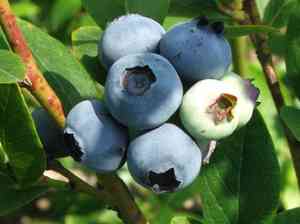
1
Confederate huckleberry yields berries packed with antioxidants, promoting general well-being.
2
This species flourishes in sandy substrates, ideal for seaside landscapes.
3
Confederate huckleberry requires minimal care and can boost ecological variety in your outdoor space.
Why Opt for Confederate Huckleberry in Your Garden?
Resilience and Upkeep
Confederate huckleberry is an exceptionally robust plant that flourishes in diverse soil conditions, including sandy and acidic types often found near coasts. Its tough nature makes it a superb choice for gardeners seeking low-maintenance flora. Once rooted, it demands minimal irrigation and attention, freeing your time and resources for other gardening tasks. Furthermore, Confederate huckleberry possesses natural resistance to many common plant ailments and pests, further reducing the need for chemical interventions.
Visual Appeal
Confederate huckleberry offers an attractive addition to any garden with its dense foliage and small, bell-shaped blossoms that appear in spring. These flowers add a delicate splash of color, which later develops into berries that are not only visually pleasing but also beneficial for wildlife. Its compact size makes it suitable for smaller gardens or as a decorative border plant, while its evergreen leaves provide year-round visual interest.
How Does Confederate Huckleberry Enhance Your Well-being?
Nutritional Content
One of the most significant advantages of Confederate huckleberry is its production of small berries brimming with antioxidants. These berries can be eaten fresh or utilized in various culinary applications, such as preserves, jellies, and desserts. Rich in vitamins A and C, these berries can boost your immune system, improve skin health, and supply essential nutrients for overall vitality.
Ecological Contributions
Beyond its direct benefits to human health, Confederate huckleberry plays a vital role in maintaining ecological equilibrium. The plant provides sustenance for various wildlife species, including birds and small mammals, thereby fostering biodiversity. Its thick foliage offers shelter and nesting sites, which are crucial for the survival of many species. By cultivating Confederate huckleberry, you contribute to the preservation of local ecosystems, transforming your garden into a mini sanctuary for flora and fauna.
What Are the Landscaping Applications of Confederate Huckleberry?
Ground Cover and Erosion Control
Due to its low-growing habit and spreading nature, Confederate huckleberry serves as an excellent ground cover. It can effectively fill empty spaces in your garden and create a lush, green carpet. This characteristic is particularly useful for erosion control on slopes and other vulnerable areas. Its extensive root system helps stabilize the soil, lessening the risk of landslides and soil erosion.
Companion Planting
Incorporating Confederate huckleberry into your garden can also benefit other plants. Its ability to thrive in nutrient-poor soils can enhance soil quality over time, making it a great companion for more delicate plants that may require enriched soil. Additionally, the shade provided by Confederate huckleberry can help shield ground-level plants from extreme weather conditions, creating a more stable and hospitable environment for diverse plant species.
How to Care for Confederate Huckleberry?
Planting Instructions
For optimal results from Confederate huckleberry, select a location with full sun to partial shade. The plant prefers well-drained, sandy soils but can adapt to other soil types. Dig a hole twice the width of the root ball and as deep as the root system. Place the plant in the hole, backfill with soil, and water thoroughly. Mulching around the base can help retain moisture and suppress weeds.
Ongoing Upkeep
Confederate huckleberry is low-maintenance once established but benefits from regular watering during extended dry spells. Pruning is generally not required but can be performed in early spring to shape the plant or remove any damaged branches. No special fertilization is needed, making it an ideal plant for gardeners seeking simplicity and ease of care.



