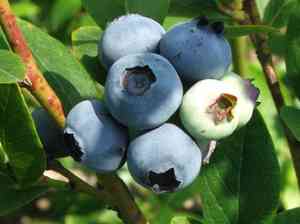
Confederate huckleberry (Gaylussacia nana)
Also known as: Dwarf Huckleberry, Coastal Black Huckleberry
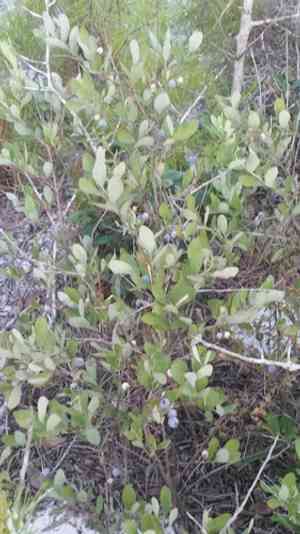
Gaylussacia nana, also known as the dwarf huckleberry, is a shrub that can grow up to 1 meter tall and often forms extensive colonies. It features dull green to yellow-green leaves that can reach up to 4 centimeters in length. The plant produces small clusters of greenish-white flowers that dangle from the leaf axils or branch tips. The resulting fruits are typically dark blue, though occasionally they can be white. These berries are sweet, juicy, and measure up to 8 millimeters in diameter.
In This Article
Attributes of Confederate huckleberry
Lifespan
Perennial
Plant Type
Shrub
Plant Height
0.3 to 1 meter
Spread
Up to 0.5 meters
Leaf Color
Glossy green
Flower Size
0.5 to 1 cm
Flower Color
White to pink
Images of Confederate huckleberry
Quickly Identify Confederate huckleberry
1
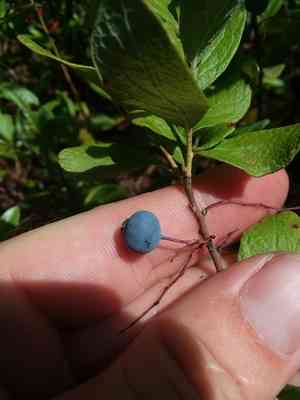
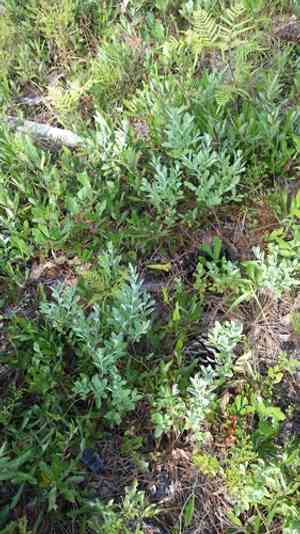
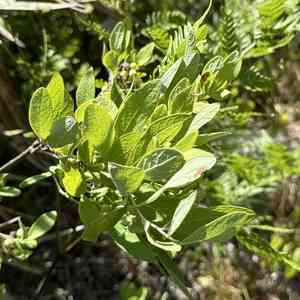
This plant can be identified by its small stature, glossy, green, elliptic leaves, and black berries. The twigs are covered in tiny, reddish hairs.
Scientific Classification of Confederate huckleberry
Phylum
Vascular plants
Class
Dicotyledons
Order
Ericales
Family
Heath
Genus
Huckleberry
Species
Confederate huckleberry
Planting and Growing of Confederate huckleberry
Care Difficulty
Easy
Watering Schedule
Every 2 days
Sunlight Requirements
Full sun
Sunshine Duration
6-10 hours
Ideal Temperature
60-75℉
Soil Type
Potting Mix, Peat Mix
Soil pH
4.5-6
Fertilizer Type
Balanced
Pruning Season
Spring, Summer
Pruning Area
Branches, Leaves
Pruning Frequency
2 times a year
Repotting Season
Spring
Pot Type
Plastic, Ceramic
 How to Water Confederate huckleberry?
When watering Gaylussacia nana, ensure that the soil is thoroughly moistened but not waterlogged. Aim for 200 milliliters per session, enough to soak the soil without leaving standing water. This amount allows the roots to absorb moisture effectively without risking root rot.
What are the symptoms of an underwatered Confederate huckleberry?
›
What should I do if my Confederate huckleberry is not getting enough water?
›
What are the symptoms of an overwatered Confederate huckleberry?
›
How to save an overwatered Confederate huckleberry?
›
 What Are the Sunlight Requirements for Confederate huckleberry?
Gaylussacia nana prefers full to partial sun, benefiting from 6 to 8 hours of light daily. This range supports robust growth, vigorous blooming, and vibrant foliage coloration, maximizing its ornamental value.
What type of sunlight does Gaylussacia nana prefer?
›
How can I ensure Gaylussacia nana receives enough sunlight?
›
What benefits does optimal sunlight offer to Gaylussacia nana?
›
 What Is the Ideal Temperature Range for Confederate huckleberry?
The ideal temperature range for Gaylussacia nana is between 60°F and 75°F. This range provides the most favorable conditions for photosynthesis, nutrient absorption, and overall health of the plant. Maintaining this temperature ensures vigorous growth and minimizes stress-related issues.
 What Soil is Best for Confederate huckleberry?
Gaylussacia nana thrives in well-drained soil which prevents root rot and other moisture-related diseases. A well-drained soil allows excess water to escape, ensuring roots remain oxygenated and healthy. This plant prefers moderately moist conditions that mimic its natural habitat. Consistent moisture availability helps maintain the plant's growth without inducing stress due to drought. A soil rich in organic matter is essential for Gaylussacia nana, as it provides nutrients and retains moisture while improving soil structure. This results in more robust growth and enhanced flowering.
 How to Fertilize Confederate huckleberry?
For Gaylussacia nana, the fertilizer amount should be modest due to its preference for lean nutrient conditions. Use a balanced, acid-forming fertilizer at a concentration of 1/4 of the recommended strength for liquid fertilizers. For slow-release fertilizers, a light scattering around the base at the beginning of the growing season suffices. This plant prospers with judicious rather than copious nourishment.
 How to Prune Confederate huckleberry?
Begin by inspecting the plant for any dead, damaged, or diseased branches. These should be removed first, as they can hinder the overall health of the plant. Once unhealthy branches are removed, start selectively pruning branches to shape the plant. Focus on maintaining a bushy, compact form while allowing light and air to penetrate the inner branches. If the plant has become too large, reduce its size by pruning back the longest branches. Make cuts just above a bud or lateral branch to encourage healthy new growth.
More About Pruning Techniques→
 How to Propagate Confederate huckleberry plant?
1
Use a well-draining seed starting mix or create your own by mixing equal parts peat moss and perlite. Ensure the mix is moist but not waterlogged to encourage seed germination and root development.
2
Select healthy, non-flowering stems for cuttings. Cut a section approximately 4-6 inches long, just below a node. Remove the lower leaves to expose stems for rooting.
3
Gently plant the seeds or cuttings into the prepared soil mix. Water them lightly to settle the soil. Cover trays with a plastic dome to maintain humidity and place them in a warm location with indirect light.
 How to Repot Confederate huckleberry plant?
1
Observe if the roots are emerging from the drainage holes, which indicates the plant is root-bound. Also, if growth appears stunted or the soil loses its nutrients faster, it's time for a new pot to provide more space and fresh soil.
2
Select a pot that is 1 to 2 inches larger in diameter than the current one. This offers enough room for root expansion without overwhelming the plant. Ensure it has adequate drainage holes to prevent waterlogging and promote healthy root growth, which reduces the risk of root rot.
3
Opt for an acidic, well-draining soil enriched with organic matter. This mix mimics the plant's natural habitat, allowing optimal nutrient uptake. The acidity helps maintain the soil's pH balance, beneficial for the plant's health and vigor.



