Enhancing Your Garden Design with the Confederate huckleberry Plant: A Landscaping Guide
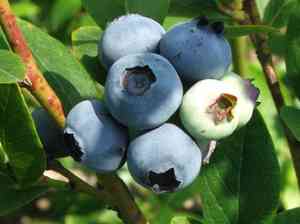
1
Confederate huckleberry flourishes in acidic, well-draining ground and performs well in full sun or partial shade.
2
When planning with Confederate huckleberry, take into account its native environment to enhance its aesthetic appeal.
3
Confederate huckleberry not only beautifies your garden but also provides sustenance for local fauna, such as birds and beneficial insects.
Grasping Confederate Huckleberry's Natural Environment and Growth Needs
Optimal climatic conditions for Confederate huckleberry
Prior to introducing Confederate huckleberry to your garden, understanding its preferred climate is crucial. Indigenous to the southeastern U.S., it flourishes in areas with mild winters and hot, humid summers. This plant is well-suited for USDA hardiness zones 7 through 9. If your region experiences severe winter weather, you might need to offer protection or cultivate it in movable containers for indoor relocation during freezing periods.
Soil preferences and drainage requirements
Confederate huckleberry is quite specific about its soil conditions. It favors acidic soils with a pH range of 4.5 to 5.5. The soil should drain effectively yet retain some moisture, mimicking the damp, peaty soils of its native habitat. To achieve this, enrich your garden soil with organic matter such as compost or peat moss. Proper drainage is vital, as waterlogged soil can cause root rot and other plant health issues. Consider elevated beds or mounds if your garden has dense clay soil.
Sunlight and shade necessities
Confederate huckleberry needs a balance of sun and shade to thrive. While it can endure full sun, especially in cooler climates, it generally prefers partial shade, particularly in warmer regions. An ideal spot would receive morning sun and afternoon shade. Insufficient light may lead to poor flowering and leggy growth, whereas excessive direct sun can scorch its leaves. By observing your garden daily, you can pinpoint the perfect location meeting these needs.
Designing Your Landscape with Confederate Huckleberry
Selecting the appropriate garden placement
When positioning Confederate huckleberry in your garden, location is paramount. Seek areas that mimic its natural environmentâfiltered shade with morning sun exposure and well-drained, acidic soil. Consider planting it beneath the canopy of deciduous trees for optimal light conditions. This setup not only ensures the plant's vitality but also integrates it seamlessly into your landscape. Avoid exposed, windy spots, as its delicate branches could sustain damage.
Confederate huckleberry as a focal point: creative concepts
Confederate huckleberry can serve as a striking focal point in garden beds and borders. Its vibrant foliage and charming berries provide visual interest across multiple seasons. Establish a focal point by planting it in a prominent spot, such as the center of a garden border or along pathways. You can also cultivate a small cluster of Confederate huckleberry to create a naturalistic setting, offering a tranquil space for relaxation. Incorporating mulch or decorative stones around its base can enhance its aesthetic appeal.
Companion plants that enhance Confederate huckleberry's beauty
Pairing Confederate huckleberry with suitable companion plants can elevate its presence in your garden. Consider plants that share similar soil and light preferences, such as azaleas, rhododendrons, and ferns. These companions not only complement its foliage but also create a lush, multi-layered appearance. Additionally, flowering shrubs like camellias and hydrangeas can introduce color contrast, while groundcover plants like vinca minor or creeping phlox provide an attractive carpet beneath the shrub.
Practical Advice for Planting and Maintaining Confederate Huckleberry
Step-by-step planting instructions
Begin by selecting a site that fulfills the soil, light, and drainage requirements of Confederate huckleberry. Excavate a hole approximately twice the root ball's width and slightly deeper than its height. Position the plant in the hole, ensuring the top of the root ball is flush with the surrounding soil. Backfill with a mixture of the excavated soil and organic matter like compost. Water thoroughly to settle the soil and remove air pockets. Apply a layer of mulch around the base to retain moisture and regulate soil temperature.
Seasonal care recommendations
Confederate huckleberry needs minimal upkeep once established, but seasonal care is vital for peak health. In spring, prune any dead or damaged branches to encourage new growth. Apply a balanced, slow-release fertilizer to supply essential nutrients. During summer, ensure the soil remains consistently moist, watering deeply during dry spells. Fall is an ideal time to refresh mulch and inspect for any signs of pests or diseases. Winter care might involve protective measures, such as applying a thicker mulch layer to insulate roots in colder regions.
Common issues and effective remedies
A frequent challenge with Confederate huckleberry is managing its soil pH. Regularly test your soil to confirm it stays within the preferred acidic range and amend as needed with sulfur or organic matter. If pest problems like aphids or spider mites arise, consider using insecticidal soap or neem oil as a natural solution. Root rot can occur in poorly drained soilsâaddress this by improving soil drainage or replanting in elevated beds. Proper spacing between plants also reduces the risk of fungal diseases by enhancing air circulation.
Confederate Huckleberry and Wildlife: Boosting Garden Biodiversity
Attracting butterflies and bees with Confederate huckleberry
Confederate huckleberry acts as a magnet for pollinators, making it an excellent addition to any wildlife-friendly garden. The plant's blossoms offer nectar for bees, butterflies, and other beneficial insects. By integrating Confederate huckleberry into your landscape, you not only enhance your garden's beauty but also support local pollinator populations. To maximize its impact, plant several shrubs together to create a substantial food source for these vital creatures.
Bird species that favor Confederate huckleberry
The berries produced by Confederate huckleberry are a favorite among various bird species, making it a valuable plant for bird enthusiasts. Birds such as the cedar waxwing and American robin are particularly fond of the nutrient-rich fruits, which ripen from late summer to early fall. By providing a consistent food source, Confederate huckleberry can help draw a diverse array of birds to your garden, adding both movement and song to your outdoor space.
Fostering ecological equilibrium
Incorporating Confederate huckleberry into your landscape can significantly contribute to promoting ecological balance. The plant supports a thriving ecosystem by offering food and shelter for various wildlife species. Its presence can encourage biodiversity, helping to create a self-sustaining garden environment. Furthermore, healthy, diverse gardens are more resilient to pests and diseases, reducing the need for chemical interventions. By planting Confederate huckleberry, you're contributing to a healthier, more balanced ecosystem in your own backyard.



