How to Prune Arizona lipfern?
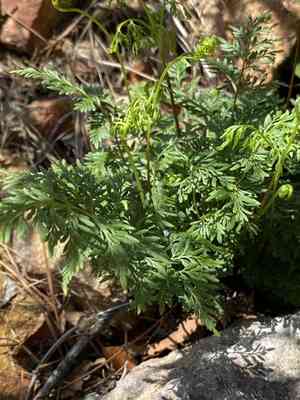
The Arizona lipfern, a robust fern, is recognized for its fine, intricate foliage. Undertake minimal trimming in early spring or late winter to eliminate deceased or compromised fronds and to sculpt the plant's form. Refrain from extensive pruning, as this can cause distress to the plant. Consistent trimming fosters vigorous development and improves its aesthetic appeal. Exercise care with the fragile fronds and employ sharp, sanitized implements to avert harm and illness. Pruning facilitates air circulation and diminishes the likelihood of fungal problems, guaranteeing a flourishing fern.
What Are the Benefits of Pruning Arizona Lipfern?
What Are the Benefits of Pruning Arizona Lipfern?
Trimming Arizona lipfern encourages robust development and maintains its form, ensuring a strong structure and enhanced visual appeal. Regular cutting prevents overcrowding, improving air circulation, which lowers the risk of pests and diseases. Controlled trimming also fosters healthy, resilient foliage.
What Is the Best Time for Pruning Arizona Lipfern?
What Is the Best Time for Pruning Arizona Lipfern?
Pruning arizona lipfern in early spring or late winter is optimal as it allows the plant to recover before its active growth phase. These periods coincide with arizona lipfern's dormancy or minimal growth, reducing stress and promoting healthier regrowth. Additionally, pruning at these times avoids disrupting any potential flowering or spore dispersal, ensuring the plant's health and vitality.
What Tools Do I Need to Prune Arizona Lipfern?
Hand Pruners
Perfect for trimming small, delicate stems and dead fronds of arizona lipfern, enabling precise cuts without harming adjacent growth.
Bypass Pruners
Useful for cutting through slightly thicker stems and branches, ensuring a clean cut that promotes healthier regrowth.
Pruning Scissors
Ideal for detailed trimming and shaping of arizona lipfern, especially helpful for maintaining the plantâs form in tight spaces.
Pruning Shears
Effective for efficiently cutting larger fronds and older growths. These shears are essential for more substantial trimming tasks before new growth in the growing season.
Long-Reach Pruners
Helpful for accessing and trimming fronds in difficult-to-reach areas or lower sections without straining.
How to Prune Arizona Lipfern
Prep tools and inspection
Gather clean, sharp pruning shears and examine arizona lipfern closely for any diseased or withered leaves needing attention.
Remove diseased leaves
Gently cut away any leaves showing signs of disease, making cuts near the base to minimize plant stress.
Trim withered leaves
Identify and trim away any withered leaves, ensuring to cut just above the healthy part of the frond to encourage new growth.
Dispose of trimmings
Collect all removed leaves and discard them properly to prevent disease spread.
Clean tools
Thoroughly clean and sterilize pruning tools after use to maintain hygiene and prevent contamination.
Common Pruning Mistakes with Arizona Lipfern
Over-pruning
Excessive cutting can harm arizona lipfern, leading to reduced vigor and potential plant stress.
Pruning at the wrong time
Pruning outside the optimal period can disrupt arizona lipfern's growth cycle and hinder its development.
Incorrect tool usage
Dull or inappropriate tools can cause jagged cuts, introducing disease and slowing healing.
Ignoring plant health
Pruning unhealthy or diseased parts without proper sanitation can spread issues to other parts of arizona lipfern.
Removing too much foliage
Too much foliage removal decreases photosynthesis capacity, weakening the plant.
Common Pruning Tips for Arizona Lipfern
Use sharp, sterilized tools
Ensure tools are clean and sharp to make clean cuts and prevent disease transmission.
Prune minimally
Only remove dead or damaged fronds and avoid cutting more than necessary to maintain the plant's health.
Observe plant structure
Understand arizona lipfern's growth pattern and focus on maintaining its natural form while removing unwanted parts.
Cut at an angle
Make angled cuts to facilitate better healing and reduce water accumulation on cut surfaces.
Sanitize between cuts
Disinfect pruning tools between cuts, especially when dealing with diseased parts, to prevent spreading issues.



