How to Prune Common freesia?
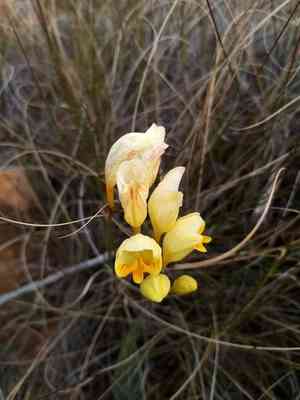
Freesia, recognized for its aromatic blossoms and vivid hues, thrives with trimming to foster robust development. The ideal period to trim freesia is in late winter or early spring, right before fresh shoots emerge. Eliminate any withered or compromised leaves and faded blooms to stimulate abundant flowering. Refrain from extensive cutting during periods of active growth. Consistent, gentle trimming enhances air movement and deters ailments, guaranteeing a luxuriant and thriving presentation of freesia's exquisite flowers.
What Are the Benefits of Pruning Common Freesia?
What Are the Benefits of Pruning Common Freesia?
Trimming common freesia encourages robust development and maintains its form by eliminating dead or crowded stems. This improves air circulation, boosts blooming, and deters pests and diseases, ensuring the plant's healthy and appealing look.
What Is the Best Time for Pruning Common Freesia?
What Is the Best Time for Pruning Common Freesia?
Pruning common freesia in late winter or early spring is optimal as it coincides with the dormant period just before the plant's active growth and flowering phase. This timing minimizes stress and reduces disease risk. Additionally, pruning then allows gardeners to effectively shape the plant and promote vigorous growth and abundant blooms in the upcoming season.
What Tools Do I Need to Prune Common Freesia?
Hand Pruners
Hand pruners are perfect for common freesia, enabling clean cuts on smaller stems and foliage, which promotes healthy regrowth and minimizes harm.
Scissors
Garden scissors are useful for trimming delicate or thin stems and leaves of common freesia, providing precise control over the plant's shape and form.
Gloves
Protective gloves are essential to shield your hands from any rough or sharp parts of common freesia during the pruning process.
How to Prune Common Freesia
Assess
Examine common freesia thoroughly, identifying any diseased or withered leaves that need removal. Look for discoloration, spots, or wilting.
Disinfect
Before pruning, clean and sanitize pruning tools with rubbing alcohol or a bleach solution to prevent disease spread.
Remove diseased leaves
Carefully snip off any diseased leaves at their base, making clean cuts to avoid damaging healthy tissue. Dispose of these leaves away from the plant area.
Remove withered leaves
Trim withered leaves close to the base, ensuring the entire leaf is removed to prevent any residual decay from affecting the plant.
Discard properly
Safely dispose of all trimmed parts, ensuring they are not left in the garden to minimize the risk of spreading pests or diseases.
Common Pruning Mistakes with Common Freesia
Improper cutting technique
Using dull or dirty tools can result in jagged cuts that may attract disease or pests. Always use sharp, clean pruning shears for precise cuts.
Over pruning
Removing too much foliage at once can stress the plant and hinder growth and flowering. It's important to prune conservatively, especially if you're uncertain.
Pruning at wrong time of day
Pruning during the hottest part of the day can cause unnecessary stress to common freesia. It's better to prune during cooler times, such as early morning or late afternoon.
Neglecting deadheading
Failing to remove spent flowers can divert energy from producing new blooms. Regular deadheading is crucial for continuous flowering.
Common Pruning Tips for Common Freesia
Use sharp clean tools
Always use sharp and disinfected pruning shears to make clean cuts. This prevents disease spread and helps the plant heal faster.
Minimal pruning
When pruning common freesia, less is more. Trim sparingly to shape the plant and remove dead or damaged growth. Over-pruning can stress the plant.
Deadhead regularly
Remove spent flowers to encourage the plant to produce new blooms. This practice helps direct the plant's energy towards healthy growth and flowering.
Cut at an angle
When making cuts, do so at a slight angle to prevent water from sitting on the cut surface, which can lead to rot or disease.
Observe growth patterns
Pay attention to how common freesia grows. Pruning should enhance its natural shape. Avoid cutting back more than one-third of the plant at a time.



