How to Propagate Common freesia?
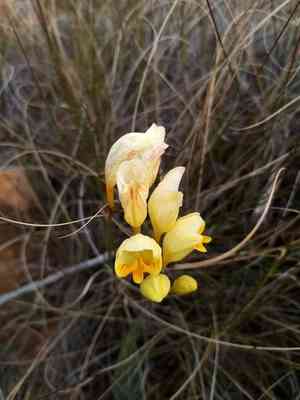
Freesia x hybrida, a species within the Iridaceae family, is celebrated for its vivid blossoms and delightful aroma. Successful propagation entails employing corms, which ought to be set in adequately draining earth exposed to ample sunlight. Maintaining soil hydration without excessive watering is vital for corm maturation. Refrain from disruptions during its development, as Freesia x hybrida flourishes with minimal interference. Apply a layer of mulch to conserve moisture and suppress unwanted vegetation, fostering superior growth.
What Is the Best Time To Propagate Common Freesia?
Propagation Type
UtilizeTubers
Propagation Season
Spring
What Tools Are Used in Common Freesia Propagation?
Garden Fork
A garden fork is crucial for extracting common freesia tubers from the ground. Its robust tines effectively loosen the soil around the tubers without causing harm. Employing the fork enhances efficiency and lowers the chance of damaging the delicate tubers compared to using a spade or shovel.
Pruning Shears
Pruning shears are employed to remove any damaged or old foliage from common freesia tubers prior to replanting. Keeping the tubers clean promotes vigorous growth and minimizes the likelihood of disease.
Bulb Planter
A bulb planter is convenient for creating uniform, appropriately-sized holes for replanting common freesia tubers. Its design guarantees that the holes are of the correct depth and width, which is vital for giving the tubers the best opportunity to establish roots quickly.
Rooting Hormone
While not always essential, applying rooting hormone to common freesia tubers before replanting can encourage quicker and stronger root development. This aids in establishing the plant more rapidly and can boost overall success rates.
Watering Can with Fine Rose
A watering can fitted with a fine rose is essential for gently irrigating common freesia tubers after planting. It ensures even water distribution without washing away soil or dislodging the tubers. Consistent and gentle watering is crucial for the initial rooting phase.
Labels and Markers
Using labels and markers to pinpoint the location of planted common freesia tubers is vital for monitoring growth and development. This is particularly important in larger areas or when cultivating multiple species to prevent disturbance during maintenance activities.
How to Propagate Common Freesia?
Propagation Type
Simple
How to Care for Your Newly Propagated Common Freesia?
How to Care for Your Newly Propagated Common Freesia?
Once the tubers have successfully sprouted and the plants are established, continue to irrigate them regularly to keep the soil consistently moist but not waterlogged. Fertilize monthly with a balanced feed to support blooming. Remove spent flowers to encourage new blooms and extend the flowering period. Provide protection from extreme temperatures by placing the plants in a sheltered spot during very hot or cold weather. Regularly inspect for pests and diseases, addressing any issues promptly to ensure the plants remain healthy.
Common Mistakes to Avoid When Propagating Common Freesia
Overwatering
Excessive irrigation can lead to bulb rot, hindering successful germination and propagation.
Incorrect Soil Type
Using soil that retains too much moisture or is too dense can impede bulb development.
Crowded Planting
Planting bulbs too close together reduces air circulation and increases the risk of disease spread.
Improper Depth
Planting the bulbs too shallow or too deep can lead to exposure to elements or impaired growth.
Tips For Propagating Common Freesia
Well-Draining Soil
Use a mix that ensures good drainage to prevent waterlogging and bulb rot.
Spacing
Space the bulbs adequately to promote air circulation and reduce disease risk.
Correct Depth
Plant bulbs at the appropriate depth, usually about 2-3 times the height of the bulb, to ensure proper development.
Adequate Sunlight
Ensure the planting site receives plenty of sunlight; common freesia thrive in well-lit areas.



