How to Prune Rukam?
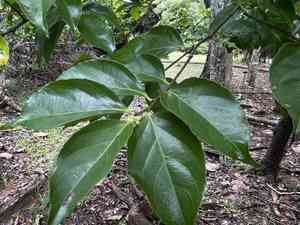
Renowned for its palatable, sugary fruit and spiky limbs, rukam thrives with judicious trimming. The ideal time for this activity is in late winter, prior to the emergence of new spring foliage. Cultivators ought to eliminate any lifeless or ailing wood, reduce congested branches to improve air circulation, and preserve its form. Consistent trimming additionally encourages fruit yield. It is crucial to exercise caution against over-pruning to safeguard the plant's framework and output.
Advantages of Trimming Rukam
Advantages of Trimming Rukam
Trimming rukam promotes a more abundant yield, stimulates robust development, and preserves the intended plant form. Strategic cuts enhance light penetration and air circulation, vital for fruit development and plant vitality.
Optimal Period for Pruning Rukam
Optimal Period for Pruning Rukam
Late winter is considered the best time for pruning rukam due to several key reasons. During this season, the plant is typically dormant, meaning its growth has temporarily ceased. This period is beneficial for pruning as it minimizes stress on rukam and reduces the risk of sap loss, which can attract pests. Furthermore, the absence of leaves provides better visibility of the plant's structure, allowing for more precise cuts and the removal of any dead or diseased branches. Pruning before the spring growth spurt also encourages healthier new growth, and since rukam blooms and bears fruit on new wood, late winter trimming perfectly aligns with the plant's growth cycle. Pruning at this time helps ensure that subsequent blooming and fruit production are not negatively affected, promoting a strong harvest for the upcoming season.
Tools Required for Pruning Rukam
Hand pruners (secateurs)
Perfect for making clean cuts on small branches and twigs of rukam, ensuring minimal harm to plant tissues.
Loppers
Needed for cutting thicker branches of rukam that hand pruners cannot manage, offering leverage and reach.
Pruning saws
Essential for removing even larger branches of rukam, providing the capability to cut through thick wood without tearing.
Hedge shears
Useful for shaping the canopy of rukam or trimming hedges for a neat, straight edge.
Pole pruners
Enable gardeners to safely reach and trim higher branches of rukam without needing ladders.
Gloves
Protects hands from thorns and rough bark while pruning rukam, ensuring gardener safety.
Cleaning solution
Used to clean and sanitize pruning tools between cuts to prevent the spread of disease in rukam.
How to Prune Rukam
Sanitize Tools
Before beginning the pruning process, ensure all cutting implements are clean and sharp to prevent disease transmission and achieve precise cuts.
Examine rukam
Thoroughly inspect rukam for any dead or diseased branches that may need removal. Identify parts that could negatively impact the plant's growth or health.
Remove Diseased Branches
Carefully cut diseased branches from rukam, making the cut at the branch's base near the trunk, or back to a healthy lateral branch. Avoid leaving stubs as this can attract pests or diseases.
Eliminate Dead Branches
Remove dead branches by cutting them where they meet healthy tissue. This helps rukam heal faster and prevents decay agents from entering the plant.
Disinfect Tools
After pruning rukam, clean and disinfect all tools used to prevent the spread of any diseases to other plants or future pruning sessions.
Common Pruning Errors with Rukam
Excessive Pruning
Removing too many branches can stress rukam and lead to reduced fruit production or growth problems. The shrub tolerates some trimming, but gardeners should avoid removing more than one-third of the plant at a time.
Incorrect Cuts
Improper cutting methods can harm rukam, creating jagged wounds susceptible to pests and diseases. Cuts should be clean and made at a 45-degree angle just above a bud or branch.
Failure to Sterilize Tools
Not sterilizing pruning tools can introduce pathogens to rukam's open wounds. Always clean tools before and after use to maintain plant health.
Pruning Without A Strategy
Random or unplanned cuts can result in an uneven shape and affect flowering. Gardeners should have a plan that considers rukam's growth habit and desired outcomes.
Ignoring Deadwood Removal
Neglecting to remove dead or diseased wood can hinder rukam's growth and health. Regularly check for and remove such materials to promote a healthy plant structure and airflow.
General Pruning Advice for Rukam
Understanding Plant Structure
Grasping rukam's natural growth patterns is crucial. Prune to maintain the desired architectural form while encouraging new growth where needed.
Encourage Horizontal Growth
Promote horizontal branch growth to boost fruiting potential. Removing only essential vertical growth can redirect energy towards fruit production.
Thin Out Inner Branches
Thinning the inner branches will improve light penetration and air circulation, vital for rukam's overall health and fruit set.
Heading Back
Heading back - trimming branch tips - encourages bushiness and can be beneficial for shaping rukam. Ensure you cut just above outward-facing buds to guide the direction of new growth.
Phased Pruning
Perform any extensive pruning in stages over several seasons, to minimize stress and allow rukam to recover sufficiently between pruning sessions.



