How to Propagate Rukam?
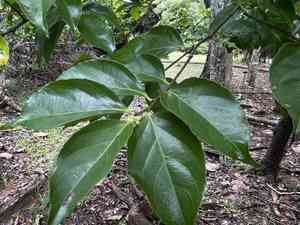
Rukam, a tropical fruit-bearing tree originating from Southeast Asia, necessitates specific propagation approaches to uphold the caliber of its fruit output. Grafting emerges as the favored technique because of its capacity to effectively reproduce the desired characteristics of the parent plants. When performing rukam grafting, confirm that scions are sourced from a robust, prolific tree to maximize prospective development and fruit generation. The choice of rootstock is vital; it must possess disease immunity and be well-suited to the local soil and weather patterns. A precise, slanted incision and a firm connection between the scion and rootstock are essential for the successful integration of the graft.
What Is the Best Time To Propagate Rukam?
Propagation Type
Grafting
Propagation Season
Spring,Winter
What Tools Are Used in Rukam Propagation?
Grafting Knife
A sharp, clean grafting knife is vital for making precise cuts on the scion and rootstock of rukam. Its cleanliness and sharpness prevent disease and ensure smooth, well-fitting cuts, crucial for successful grafting.
Rooting Hormone
Rooting hormone encourages faster root development from the grafted parts of rukam. Applying it to cut surfaces can boost grafting success by promoting quicker tissue healing and integration.
Budding and Grafting Tape
This tape securely binds the graft union, maintaining alignment and contact of the vascular tissues of the scion and rootstock of rukam. It also shields the grafting site from moisture loss and contamination.
Pruning Shears
Used for preparing the rootstock of rukam before grafting. Pruning shears must be sharp and clean to make clean cuts that will heal well and match properly with the scion during grafting.
Disinfectant
Used to clean all tools before and after grafting rukam to prevent pathogen spread. Disinfecting all tools is crucial for maintaining rukam's health during the delicate grafting process.
How to Propagate Rukam?
Propagation Type
Moderately Difficult
How to Care for Your Newly Propagated Rukam?
How to Care for Your Newly Propagated Rukam?
After grafting, place the newly grafted rukam in a shaded, protected area to minimize water loss and stress. Ensure the soil is moist but well-drained, and apply a balanced fertilizer once new growth appears. Regularly check for pests and diseases, and provide support (staking) as the plant grows. Pruning may be needed to shape the plant and encourage a strong structure.
Common Mistakes to Avoid When Propagating Rukam
Overwatering
After planting rukam cuttings, gardeners may overwater, leading to root rot and fungal growth, significantly reducing the cutting's survival chances.
Poor Cutting Selection
Using weak or diseased branches for rukam cuttings can result in poor or no root development.
Neglecting Humidity
Rukam cuttings need high humidity to root successfully. Ignoring this can cause desiccated cuttings that fail to root.
Planting Depth
Planting rukam cuttings either too shallow or too deep can impede root establishment or shoot growth.
Ignoring Pest Control
Gardeners often overlook that rukam cuttings are vulnerable to pests. Failing to manage pests can lead to damaged cuttings and poor propagation outcomes.
Tips For Propagating Rukam
Healthy Mother Plant
Ensure the rukam mother plant is healthy and vigorous. Healthy parent material increases the success rate of the cuttings.
Rooting Hormone
Use a rooting hormone to encourage root growth when propagating rukam. This can significantly improve the chances of cuttings taking root.
Adequate Humidity
Maintain high humidity levels around rukam cuttings to prevent them from drying out and to promote root development.
Proper Planting Depth
Insert rukam cuttings to the correct depth in the soil medium, which supports stability and root formation while preventing rot.
Pest Monitoring
Regularly check rukam cuttings for pests and apply appropriate treatments promptly to prevent infestations that can hinder growth.



