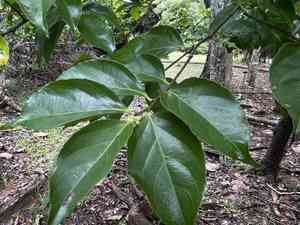
Rukam (Flacourtia rukam)
Also known as: Rukam, Indian Prune
The Rukam tree (*Flacourtia rukam*), known for its small, edible purplish fruits often referred to as Indian prunes, can also be propagated using root suckers. These root suckers, which naturally sprout near the base of the tree, can be carefully dug up and replanted to grow new trees, offering an effective alternative to seed propagation.
In This Article
Attributes of Rukam
Lifespan
Perennial
Plant Type
Tree
Plant Height
5 m to 15 m
Spread
4-6 meters
Leaf Color
Dark green
Flower Size
5-10 millimeters
Flower Color
White
Images of Rukam
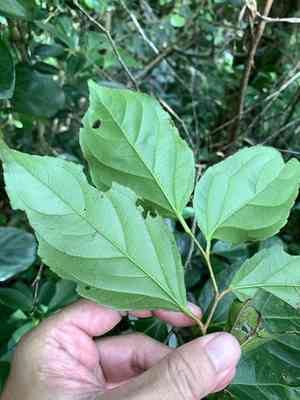
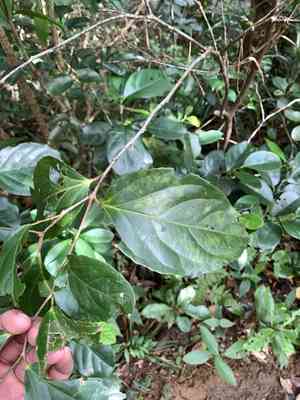
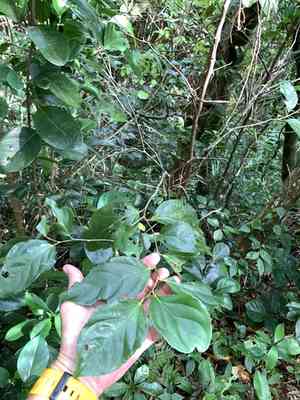
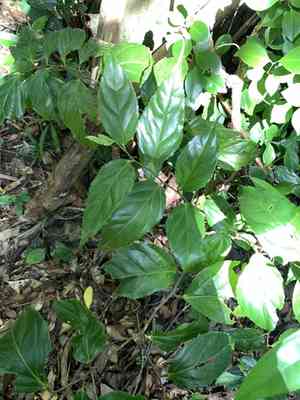
Quickly Identify Rukam
1
Identify Flacourtia rukam by its dark green, ovate leaves, serrated edges, small white to greenish flowers, and round reddish-purple fruits.
Scientific Classification of Rukam
Phylum
Vascular plants
Class
Dicotyledons
Order
Malpighiales
Family
Willow
Genus
Flacourtia
Species
Rukam
Planting and Growing of Rukam
Care Difficulty
Easy
Watering Schedule
Every 3 days
Sunlight Requirements
Partial sun
Sunshine Duration
4-6 hours
Ideal Temperature
75-86℉
Soil Type
Potting Mix, Peat Mix
Soil pH
5.5-7.5
Fertilizer Type
Balanced
Pruning Season
Spring, Summer
Pruning Area
Branches, Leaves
Pruning Frequency
2 times a year
Repotting Season
Spring
Pot Type
Ceramic, Plastic
 How to Water Rukam?
Flacourtia rukam needs a generous supply of water without oversaturation. Aim for around 500 ml each time, ensuring the soil feels moist but not waterlogged. The key is to allow excess water to drain out to prevent root rot.
What are the symptoms of an underwatered Rukam?
›
What should I do if my Rukam is not getting enough water?
›
What are the symptoms of an overwatered Rukam?
›
How to save an overwatered Rukam?
›
 What Are the Sunlight Requirements for Rukam?
Flacourtia rukam prefers partial sunlight, ideally accruing 4 to 6 hours of light daily. Ensuring such light exposure aids in maintaining healthy leaf coloration, robust plant structure, and adequate flowering and fruiting.
More About Sunlight Requirements Techniques→
How much light does Flacourtia rukam need?
›
How can I ensure Flacourtia rukam receives ideal sunlight?
›
What are the benefits of providing ideal sunlight to Flacourtia rukam?
›
 What Is the Ideal Temperature Range for Rukam?
The ideal temperature range for Flacourtia rukam is between 75°F and 86°F. This temperature helps ensure proper growth and fruit development, as it supports optimal physiological processes. Maintaining this range is vital for preventing stress-related issues and maximizing yield.
 What Soil is Best for Rukam?
Flacourtia rukam thrives in well-drained soils that prevent waterlogging, which can damage roots. This condition ensures healthy root aeration, promoting robust growth and fruit production. The plant benefits from soils rich in organic matter, which provides essential nutrients. This enhance its ability to develop fully and produce an abundant yield. A moderate moisture retention capacity is ideal to avoid excessive dryness and support consistent water availability, crucial for sustaining the plant's lush foliage.
 How to Fertilize Rukam?
For Flacourtia rukam, ensure that the fertilizer is balanced and includes essential nutrients like nitrogen, phosphorus, and potassium. Use about 100 grams of granular fertilizer per plant when applying solid fertilizers, and for liquid fertilizers, use a diluted solution at one-tenth strength to avoid root burn, making sure the soil is moist prior application.
 How to Prune Rukam?
For young Flacourtia rukam plants, it's crucial to establish a strong framework early on. Trim back weak or crossing branches to promote a healthy, open structure. This will allow light to penetrate the interior, encouraging even growth and reducing the risk of disease. For mature Flacourtia rukam, focus on removing dead or damaged wood first. Then, prune to maintain shape and control size. It's generally a good idea to thin the canopy slightly to improve air circulation, which can help prevent fungal issues.
More About Pruning Techniques→
 How to Propagate Rukam plant?
1
Collect ripe fruits from the Flacourtia rukam, remove seeds and clean them thoroughly. Soak in water overnight to help soften the seed coat and improve germination rates.
2
Prepare a mix consisting of equal parts of peat moss, vermiculite, and perlite. This mix ensures good drainage and retains enough moisture for new growth.
3
Select healthy, semi-hardwood branches and cut 6-8 inch sections. Remove leaves from the lower half of the cutting and dip the base in rooting hormone before planting.
 How to Repot Rukam plant?
1
Look for signs like roots growing out of the drainage holes, or when the growth seems stunted. It's best to repot in the growing seasons, spring or summer, when the plant can recover quickly.
2
Choose a pot with good drainage and slightly larger than the current one. A larger pot reduces root bound issues and encourages healthier growth.
3
Opt for well-draining soil rich in organic matter. This soil type prevents waterlogging and provides necessary nutrients that aid the plant's robust growth.
Learn More About Rukam Diseases
Anthracnose
Bacterial Leaf Spot
Bacterial Wilt
Chemical Injury
Crown Gall
Damping-off
Downy Mildew
Drought Stress
Fusarium Wilt
Gray Mold
Leaf Spot
Mosaic
Nutrient Deficiency
Nutrient Toxicity
Powdery Mildew
Root Rot
Root-knot Nematode
Rusts
Sooty Mold
Spider Mites
Temperature Stress
Thrips Damage
White Mold



