How to Prune Governor's plum?
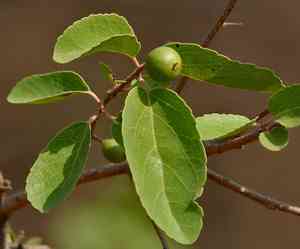
A deciduous bush recognized for its spiny limbs and palatable produce, governor's plum thrives with careful trimming. Key pruning methods involve excising deceased or ailing wood, reducing congested branches, and sculpting for form. Trimming ought to be performed in late winter prior to the emergence of fresh growth. This timing offers unobstructed sight of the plant's architecture and contributes to more robust spring advancement. Proper pruning of governor's plum averts excessive growth, stimulates fruit yield, and sustains plant vitality.
What Are the Benefits of Pruning Governor's Plum?
What Are the Benefits of Pruning Governor's Plum?
Trimming governor's plum fosters a more robust and plentiful yield by eliminating crowded branches, thereby enhancing sun exposure and air circulation. Pruning also stimulates vigorous development and aids in preserving the plant's desired form for visual appeal and garden uniformity.
What Is the Best Time for Pruning Governor's Plum?
What Is the Best Time for Pruning Governor's Plum?
The optimal period for pruning or trimming governor's plum is late winter. This timing is crucial as it aligns with the plant's dormant phase, when growth is minimal, and the plant is less vulnerable to stress and pests that can enter through pruning wounds. During dormancy, the absence of leaves also provides a clearer view of the plant's structure, enabling more strategic and effective pruning. Pruning governor's plum in late winter, just before the spring growth spurt, will encourage healthy new growth, which is beneficial for the plant's fruiting in the subsequent season. Additionally, pruning at this time helps prevent the spread of diseases that are more active in warmer weather. Overall, this timing supports the vigor and productivity of governor's plum, while minimizing potential harm.
What Tools Do I Need to Prune Governor's Plum?
Hand Pruners
Crucial for making clean cuts on smaller branches and twigs of governor's plum, ensuring minimal harm to the plant.
Loppers
Perfect for cutting through thicker branches of governor's plum that are out of reach or too large for hand pruners.
Pruning Saw
Required for removing larger limbs of governor's plum, providing a method to manage growth and shape the tree.
Hedge Shears
Useful for shaping and trimming the dense foliage of governor's plum, allowing for a more controlled and uniform appearance.
Pruning Gloves
Protective gear to ensure the gardener's safety from governor's plum's thorns while pruning.
Pruning Sealant
May be used to protect larger cuts on governor's plum from pests and diseases after pruning, though some experts suggest allowing wounds to heal naturally.
How to Prune Governor's Plum
Sterilize Tools
Before pruning governor's plum, sterilize all cutting tools with a solution of 1 part bleach to 9 parts water to prevent the spread of disease.
Identify Branches
Inspect governor's plum to identify dead or diseased branches, which typically appear brown, brittle, or have an unusual growth pattern or discoloration.
Clean Cut
Using sharp pruning shears, make clean cuts on dead or diseased branches of governor's plum. Cut at a slight angle, about 1/4 inch above a healthy bud or branch to encourage proper healing and new growth.
Disinfect After Cut
After each cut of a diseased branch on governor's plum, re-sterilize the tools to avoid contaminating healthy parts of the plant.
Cleanup
Remove all pruned materials from around governor's plum and dispose of them properly to reduce the likelihood of disease spreading.
Common Pruning Mistakes with Governor's Plum
Overzealous Pruning
Removing too much foliage or too many branches at once can stress governor's plum, hindering its growth and fruit production.
Improper Cut Location
Cutting too close to the main stem or too far from the bud can result in poor wound healing and increased susceptibility to disease.
Pruning Healthy Growth
Unnecessarily cutting away healthy growth can limit fruiting potential and reduce the overall vigor of governor's plum.
Using Dull Tools
Pruning with dull or unclean tools creates jagged cuts that can lead to infections and pest problems.
Ignoring Diseased Limbs
Failing to remove diseased or damaged branches can allow issues to spread, compromising the health of governor's plum.
Neglecting Tree Structure
Overlooking the natural shape and structure of governor's plum can result in an unbalanced tree that may not withstand weather conditions or bear fruit effectively.
Common Pruning Tips for Governor's Plum
Clean Cuts
Make precise, clean cuts using sharp and sanitized pruning tools to promote quick healing and reduce the chance of disease.
Identify Growth Nodes
Understand the location of buds and growth nodes to make cuts that will encourage the desired direction of new growth.
Promote Air Flow
Prune to maintain an open canopy, which improves air circulation and light penetration, essential for the health and fruiting of governor's plum.
Gradual Pruning
Approach pruning gradually, removing no more than a quarter of the tree's total foliage in a single session to maintain its health and vitality.
Remove Unnecessary Growth
Trim away suckers, water sprouts, and crossing branches to direct energy into more productive growth and maintain the aesthetic form of governor's plum.
Check Health First
Assess the health of governor's plum before pruning, and prioritize the removal of any dead, damaged, or diseased wood to foster a robust plant.



