How to Propagate Governor's plum?
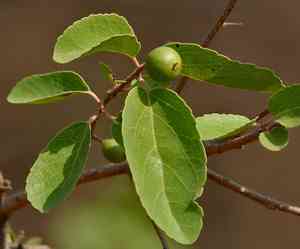
Flacourtia indica, indigenous to regions of Asia and Africa, is a sturdy, spiny bush or modest tree recognized for its tart, palatable berries. Horticulturists interested in growing Flacourtia indica ought to prioritize grafting, which is the advised propagation technique for this specific variety. Grafting not only guarantees uniform fruit excellence but also enables the grower to leverage the developed root structures of suitable rootstocks, thereby boosting the plant's general hardiness and immunity to ailments. Adapting grafting approaches to Flacourtia indica's growth patterns and physical attributes is essential for effective plant maturation and fruit yield.
What Is the Best Time To Propagate Governor's Plum?
Propagation Type
Grafting
Propagation Season
Spring,Winter
What Tools Are Used in Governor's Plum Propagation?
Grafting Knife
A sharp grafting knife is crucial for making precise cuts on the scion and rootstock of governor's plum. Clean, straight cuts from a high-quality grafting knife are vital for ensuring perfect alignment of the cambium layers, which is essential for successful grafting and healing.
Grafting Tape
Grafting tape is used to firmly attach the scion to the rootstock after grafting governor's plum. This tool helps maintain necessary pressure and alignment at the graft union, preventing pathogen entry and reducing moisture loss during the critical healing phase. Its elasticity and self-adhesive nature provide a secure seal without harming plant tissues.
Pruning Shears
These are used to prepare the rootstock of governor's plum before grafting. Pruning shears must be sharp and clean to make clean cuts, reducing plant injury and minimizing potential infection points. They are also used post-grafting to remove excess or dead material, maintaining plant health and appearance.
Rooting Hormone
Although primarily used for cutting propagation, when grafting governor's plum, a rooting hormone can aid in enhancing the healing process at the graft site. It promotes callus formation and accelerates tissue repair and regrowth, improving the chances of successful graft take.
How to Propagate Governor's Plum?
Propagation Type
Moderately Difficult
How to Care for Your Newly Propagated Governor's Plum?
How to Care for Your Newly Propagated Governor's Plum?
After propagation, continue to monitor the governor's plum for stability and healing at the grafting site. Provide consistent but not excessive watering to maintain soil moisture. Gradually introduce the young governor's plum to more sunlight as it matures and adjusts. Regularly inspect for pests and diseases, especially at the grafting union. Fertilize lightly with a balanced fertilizer to support healthy growth without overwhelming the young plant.
Common Mistakes to Avoid When Propagating Governor's Plum
Using inappropriate soil mix
For governor's plum, using a soil mix that does not drain well can lead to waterlogging, potentially causing root rot and fungal infections. Proper drainage is crucial to maintain the health of the root system and ensure successful propagation.
Excessive watering
While it might be tempting to keep the soil constantly moist, over-watering can suffocate the roots of governor's plum, leading to reduced oxygen supply and increased susceptibility to diseases.
Neglecting rooting hormone
Skipping the application of rooting hormone when propagating governor's plum from cuttings can drastically reduce the likelihood of successful root development, as it stimulates root growth and enhances the overall survival rate of the cuttings.
Tips For Propagating Governor's Plum
Use well-draining soil
Choosing the right soil mix that ensures good drainage yet holds sufficient moisture is vital for governor's plum. A mix of loam, sand, and organic compost is beneficial for healthy growth and propagation.
Moderate watering
Maintain a balance in watering practices for governor's plum; the soil should be kept moist but not waterlogged. Allow the top layer of soil to dry out slightly before watering again.
Apply rooting hormone
To improve the success rate of cuttings, apply a rooting hormone to the cut ends before planting. This promotes quicker and more reliable root development, significantly improving the prospects of propagation.



