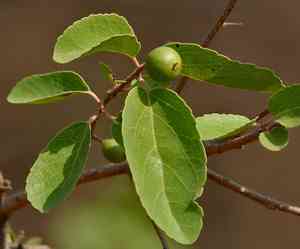
Governor's plum (Flacourtia indica)
Also known as: Madagascar plum, Batoko plum
The Governor's plum (Flacourtia indica), a shrub or small tree indigenous to Africa and Asia, bears small fruits with a red to purple exterior and yellow or white flesh. These fruits can be enjoyed fresh, transformed into jams or jellies, or even fermented to produce wine. Additionally, the plant is occasionally cultivated for ornamental purposes, such as creating living fences.
In This Article
Attributes of Governor's plum
Lifespan
Perennial
Plant Type
Tree, Shrub
Plant Height
8 m to 15 m
Spread
2 m to 5 m
Leaf Color
Dark green
Flower Size
4 mm
Flower Color
Yellow Green
Images of Governor's plum
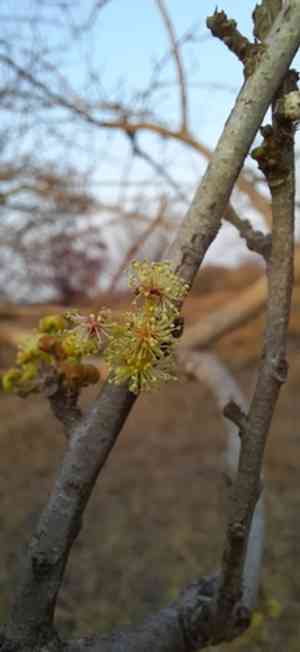
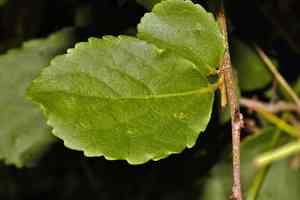
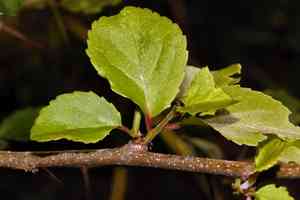
Quickly Identify Governor's plum
1
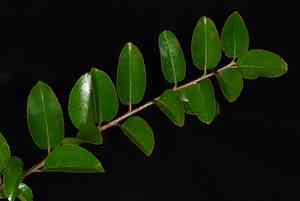
Flacourtia indica can be identified by its thorny stems, glossy leaves, and small round fruits that turn from green to reddish-purple when ripe. The leaves are simple, alternate, and have an ovate shape with a serrated margin.
Scientific Classification of Governor's plum
Phylum
Vascular plants
Class
Dicotyledons
Order
Malpighiales
Family
Willow
Genus
Flacourtia
Species
Governor's plum
Planting and Growing of Governor's plum
Care Difficulty
Easy
Watering Schedule
Every 3 days
Sunlight Requirements
Full sun
Sunshine Duration
6-10 hours
Ideal Temperature
68-86℉
Soil Type
Potting Mix, Peat Mix
Soil pH
6.5-7.5
Fertilizer Type
Balanced
Pruning Season
Spring, Summer
Pruning Area
Branches, Leaves
Pruning Frequency
2 times a year
Repotting Season
Spring
Pot Type
Plastic, Ceramic
 How to Water Governor's plum?
For Flacourtia indica, water generously until you see water draining from the bottom of the pot. Ensure the soil is fully saturated but never waterlogged. This mimics the plant's natural environment, helping it flourish without being suffocated by excess water.
What are the symptoms of an underwatered Governor's plum?
›
What should I do if my Governor's plum is not getting enough water?
›
What are the symptoms of an overwatered Governor's plum?
›
How to save an overwatered Governor's plum?
›
 What Are the Sunlight Requirements for Governor's plum?
A combination of full to partial sun is ideal, maximizing growth and fruit production while ensuring plant health.
More About Sunlight Requirements Techniques→
What is the ideal lighting condition for Flacourtia indica?
›
How can I provide ideal lighting for Flacourtia indica?
›
What benefits does ideal lighting offer to Flacourtia indica?
›
 What Is the Ideal Temperature Range for Governor's plum?
Flacourtia indica thrives best in a warm environment with temperatures ranging from 68°F to 86°F. This range provides optimal conditions for the plant's metabolic processes, ensuring healthy growth and fruit development. Maintaining these temperatures consistently helps in preventing stress and promoting vigor in the plant.
 What Soil is Best for Governor's plum?
Flacourtia indica thrives in well-drained soil which prevents waterlogging and root rot, ensuring the plant's healthy growth and longevity. This plant benefits from soil rich in organic matter, providing essential nutrients for vigorous growth and increased resistance to diseases. Ensuring moderate moisture levels in the soil helps maintain the plant's hydration needs without causing stress from excess wet conditions.
 How to Fertilize Governor's plum?
For Flacourtia indica, moderate application of fertilizer is ideal. It benefits from a balanced fertilizer that is rich in essential nutrients such as nitrogen, phosphorus, and potassium. Use a dilution of liquid fertilizer at half the recommended strength for small pots and full strength for large areas, ensuring even distribution over the root zone.
 How to Prune Governor's plum?
Start by identifying and removing any dead, diseased, or damaged branches. This improves the plant's health by preventing the spread of diseases and encouraging new growth. Trim back branches to achieve a balanced shape. This maintains the plant’s desired form and encourages even growth, enhancing both appearance and structure. Cut back densely packed branches to improve air circulation. Keeping the branches spaced enhances light penetration and reduces the likelihood of fungal infections.
More About Pruning Techniques→
 How to Propagate Governor's plum plant?
1
Collect mature seeds from ripe fruits during late summer. Ensure seeds are dry and viable before proceeding with sowing.
2
Select healthy stems and cut just below a node. Remove lower leaves and dip the cut end in rooting hormone to enhance root development.
3
In spring, divide mature plants by gently separating their roots. Ensure each division has adequate roots for successful transplanting.
 How to Repot Governor's plum plant?
1
Flacourtia indica typically signals it's ready for a new pot when roots appear from the drainage holes or growth stalls. It's best to repot during its growing seasons, spring or summer, for optimal recovery and acclimatization. Repotting at these times helps the plant to quickly establish itself in its new environment.
2
Select a pot that is 1-2 inches larger in diameter than the current one, with drainage holes to prevent waterlogging. A slightly larger pot ensures good root expansion without the risk of water accumulation, which is crucial for the health of Flacourtia indica.
3
Opt for a well-draining, loamy soil mix, enriched with organic matter. This type of soil prevents root rot by allowing excess moisture to escape, while still retaining necessary nutrients and promoting healthy root growth.



