How to Prune Western fescue?
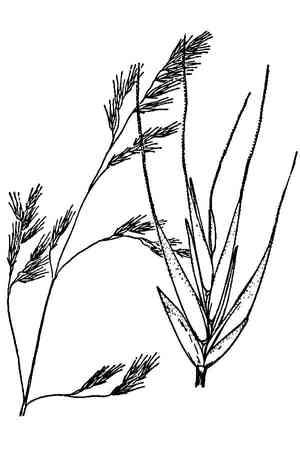
Western fescue, an indigenous perennial grass, is valued for its resilience and attractive clumped mound structure. Trimming ought to be performed in early spring or winter to stimulate robust new development and preserve its dense configuration. When pruning, eliminate aged, lifeless leaves to revitalize the specimen and improve its look. Consistent trimming not only fosters energetic growth but also averts excessive density and potential ailments. This upkeep guarantees western fescue continues to be a strong element in native landscapes.
Advantages of Trimming Western Fescue
Advantages of Trimming Western Fescue
Trimming western fescue boosts its vitality and preserves its form, fostering robust, thicker development. This action is vital for the grass's well-being and visual appeal, ensuring it stays manageable and attractive in a garden setting.
Optimal Period for Trimming Western Fescue
Optimal Period for Trimming Western Fescue
Trimming or cutting western fescue during early spring and winter aligns with the plant's inactive phase, minimizing stress and encouraging healthier regeneration. In early spring, just before the start of the new growth cycle, trimming helps prepare western fescue by removing dead or old growth, which enhances the plant's vigor and readies it for the upcoming growing season. Winter trimming is beneficial as western fescue is fully dormant, reducing the risk of disease transmission and weather-related harm. This timing allows gardeners to shape the plant without interfering with new bud development, which typically begins in late spring.
Required Tools for Trimming Western Fescue
Hand Pruners
Perfect for snipping dead or overgrown blades and tidying up western fescue clumps. Their sharp, precise blades ensure clean cuts that promote healthy regrowth.
Grass Shears
Suitable for shaping and maintaining the thick tufts of western fescue, especially along edges and in confined areas where larger tools cannot reach.
Pruning Saw
Useful for cutting through thicker, more fibrous sections of older western fescue clumps if necessary. It aids in managing size and removing dense or dead parts from the base efficiently.
How to Trim Western Fescue
Identify diseased and withered leaves
Carefully inspect western fescue for any diseased or withered leaves. Diseased leaves may show discoloration, spots, or unusual textures, while withered leaves are often dry and lifeless.
Prepare tools
Prepare the necessary tools for trimming, which include sharp, clean scissors or pruning shears. Sterilize the blades with rubbing alcohol or a bleach solution to prevent the spread of disease.
Careful pruning
Gently trim off the identified diseased and withered leaves at their base, close to the stem. Avoid tearing or pulling leaves to minimize damage to the plant's healthy parts.
Disposal
After trimming, promptly dispose of all removed leaves in a sealed bag to prevent any disease from spreading in the garden. Do not compost diseased material.
Monitor and maintain
Regularly monitor western fescue for new signs of disease or withering. Adequate watering and feeding can help prevent stress and promote healthy growth, reducing the frequency of trimming.
Common Trimming Errors with Western Fescue
Overpruning
A common error is removing too much foliage from western fescue, which can stress the plant and lead to poor growth or reduced vigor. It's crucial to trim no more than one-third of the total foliage at any given time.
Incorrect technique
Using dull or unclean tools can damage the blades and crowns of western fescue, leading to jagged cuts that heal poorly and may become susceptible to disease.
Pruning at the base
Avoid cutting western fescue right down to the base or too close to the ground. This can harm the crown of the plant, where new growth generates and crucially affects plant health.
General Trimming Advice for Western Fescue
Use sharp tools
Always use sharp, clean pruning shears or scissors. Sharp tools make clean cuts that heal quickly, preventing disease and promoting healthy regrowth.
Timing and frequency
Trim western fescue to remove dead or damaged foliage as needed throughout the growing season to maintain plant health and appearance. This will encourage denser growth and rejuvenate the plant.
Technique
When trimming western fescue, make angled cuts that foster water runoff and avoid accumulation at the cut sites, which could lead to rot or fungal infections. Focus on thinning rather than shearing for a more natural growth pattern.



