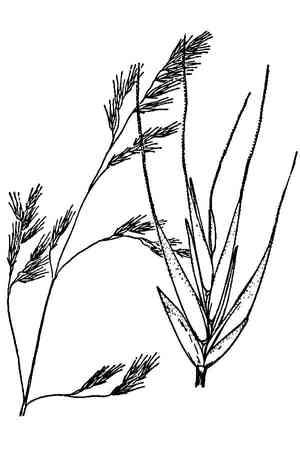
Western fescue (Festuca occidentalis)
Also known as: Creeping fescue
Commonly found in forested regions, western fescue (*Festuca occidentalis*) is a grass native to the northern United States. The term "occidentalis" in its Latin name signifies "western," highlighting its prevalence in the western parts of the region.
In This Article
Attributes of Western fescue
Lifespan
Perennial
Plant Type
Grass
Plant Height
91 cm to 1.2 m
Spread
60 cm
Leaf Color
Green to bluish-green
Flower Size
10 cm to 25 cm
Flower Color
Yellow Green Brown
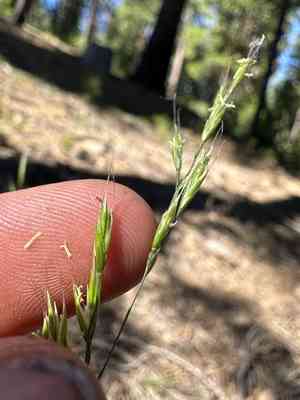
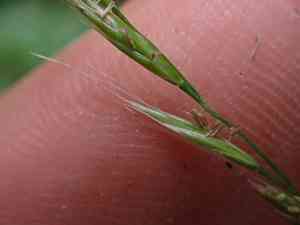
Images of Western fescue


Quickly Identify Western fescue
1
Western Fescue can be identified by its fine, hair-like leaves, dense tufts, and the distinctive, finely veined leaf sheaths. It often has a bluish tint to its foliage.
Scientific Classification of Western fescue
Phylum
Vascular plants
Class
Monocotyledons
Order
Poales
Family
Grass
Genus
Festuca
Species
Western fescue
Planting and Growing of Western fescue
Care Difficulty
Easy
Watering Schedule
Every 3 days
Sunlight Requirements
Full sun
Sunshine Duration
6-12 hours
Ideal Temperature
50-70℉
Soil Type
Potting Mix, Peat Mix
Soil pH
6.5-7.5
Fertilizer Type
Balanced
Pruning Season
Spring, Summer
Pruning Area
Branches, Leaves
Pruning Frequency
2 times a year
Repotting Season
Spring
Pot Type
Terracotta, Plastic
 How to Water Western fescue?
For Festuca occidentalis, the watering amount should be sufficient to moisten the top soil layer. The principles of watering involve ensuring that the water seeps down to about 6 inches of soil depth, but there should be no standing water. This promotes deep root growth without waterlogging, considering the plant's natural habitat where it often endures sporadic rainfall.
What are the symptoms of an underwatered Western fescue?
›
What should I do if my Western fescue is not getting enough water?
›
What are the symptoms of an overwatered Western fescue?
›
How to save an overwatered Western fescue?
›
 What Are the Sunlight Requirements for Western fescue?
Festuca occidentalis enjoys a habitat of full sun to partial sun. Providing these conditions fosters strong growth, vibrant foliage, and enhances the plant's resilience against environmental stresses.
Question 1: How much sunlight does Festuca occidentalis need?
›
Question 2: What are the solutions to achieve ideal lighting conditions?
›
Question 3: What are the benefits of providing ideal lighting?
›
 What Is the Ideal Temperature Range for Western fescue?
For optimal growth, Festuca occidentalis should be maintained in a temperature range of 50°F to 70°F. This range allows the plant to efficiently carry out its metabolic processes and photosynthesis, promoting healthy growth and development. Ensuring that the plant is cultivated within this range helps prevent stress, disease, and poor growth performance.
 What Soil is Best for Western fescue?
Festuca occidentalis thrives in well-drained soils. It allows excess water to escape, preventing root rot. Ensuring proper drainage helps maintain healthy roots for sustained growth. This plant benefits from nutrient-rich soil with organic matter. Nutritive substances fuel its growth, aiding in lush leaf development and overall plant vitality. A loamy or moderately sandy texture is ideal. It offers the right balance of moisture retention and accessibility of nutrients, promoting robust plant health.
 How to Fertilize Western fescue?
For Festuca occidentalis, it's important to apply fertilizers in proper amounts to avoid stressing the plant. Use about 1/2 pound of nitrogen per 1,000 square feet annually for optimal growth without causing harm. This modest application ensures the grass receives the nutrients it needs without excess that can cause issues.
 How to Prune Western fescue?
To prune Festuca occidentalis, equip yourself with a pair of sharp and clean garden shears. The precision of the tools ensures clean cuts, minimizing stress on the plant and reducing the risk of fungal infections. Begin by removing any dead or diseased grass blades at their base, cutting them back to the healthy part of the plant. Next, trim back the overall height by one-third, which promotes aeration and sunlight penetration, fostering robust new growth. Carefully shape the edges of the grass clumps to maintain a neat border. This step enhances the aesthetic appeal and prevents the Festuca from encroaching on nearby plants, ensuring it remains a prominent yet tidy feature in your garden.
More About Pruning Techniques→
 How to Propagate Western fescue plant?
1
Prepare a well-draining soil mixture that is slightly acidic to neutral. Adding organic compost can improve the soil structure and provide necessary nutrients for the seedlings or divisions.
2
Sow seeds thinly on the surface of the prepared seed tray and lightly cover them with a thin layer of soil. Maintain warmth and moisture by covering the trays, ideally placing them in a greenhouse or a similar environment.
3
In spring, dig up mature plants and carefully separate the root clumps using a knife or spade. Replant the divisions immediately at the same depth they were growing before to encourage quick establishment.
 How to Repot Western fescue plant?
1
Repot Festuca occidentalis when you notice roots protruding from the drainage holes or the growth has slowed significantly. These are key signs that the plant has outgrown its current pot. Spring and early autumn are ideal times, as mild temperatures and increased daylight encourage new growth and reduce transplant shock.
2
Choose a pot slightly larger than the current one, ensuring it has adequate drainage holes. This prevents waterlogging, which can lead to root rot. A ceramic or clay pot is ideal as it provides stability and allows the soil to dry evenly, mimicking the plant's natural environment.
3
Opt for a well-draining potting mix, ideally one that retains some moisture while allowing excess to escape. Incorporate sand or perlite for better drainage. This soil structure provides essential aeration and prevents root suffocation, promoting healthy root development and plant vigor.



