How to Propagate Western fescue?
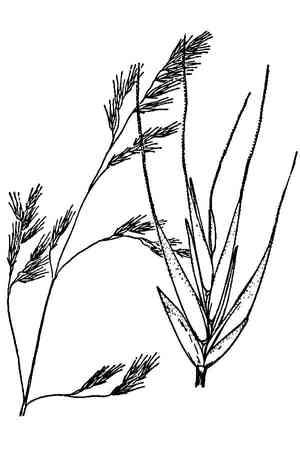
Festuca occidentalis, an indigenous grass, flourishes across diverse habitats, ranging from grasslands to forested areas. Its propagation is efficiently achieved through division, a straightforward technique involving the careful separation of plant clusters during their active growth period. This approach minimizes plant stress, facilitating rapid establishment in new settings. To ensure successful propagation, preserve a substantial root system with each separated portion and promptly re-embed it in damp, adequately draining soil.
What Is the Best Time To Propagate Western Fescue?
Propagation Type
Separation
Propagation Season
Spring,Autumn
What Tools Are Used in Western Fescue Propagation?
Garden Spade
A robust garden spade is vital for dividing western fescue. It enables precise excavation around the plant, minimizing root disturbance. Its sharp edge is especially useful for cleanly cutting through soil and roots, which is crucial for successful separation of root clumps.
Rooting Hormone Powder or Gel
While not always required, applying rooting hormone can boost the success rate of propagating western fescue via division. This substance encourages quicker root formation on the newly separated sections, promoting faster establishment and reducing transplant shock.
Pruning Shears
Sharp pruning shears are essential for trimming roots and foliage prior to division. Pruning helps manage the size of western fescue and ensures each division has a balanced amount of roots and shoots. Clean cuts help prevent disease and encourage healthier regrowth.
Watering Can with Fine Rose
Gentle watering after division aids western fescue in recovering from the stress of propagation. A watering can with a fine rose attachment delivers water softly, preventing disturbance to the freshly planted divisions and helping to settle the soil around them.
Garden Fork
This implement is useful for loosening the soil around western fescue before lifting it for division. Its tines allow for careful penetration and loosening of the soil without causing excessive root damage, which is essential for maintaining the plant's health during the division process.
How to Propagate Western Fescue?
Propagation Type
Simple
How to Care for Your Newly Propagated Western Fescue?
How to Care for Your Newly Propagated Western Fescue?
After propagation, maintain consistent watering for western fescue, particularly during dry spells, to ensure the soil stays moist but not waterlogged. Fertilize lightly with a balanced feed in the early growing season to encourage robust growth. Trim back the foliage in late autumn to neaten the plant and reduce the risk of pest and disease accumulation. Monitor for common pests like leaf spot and rust, and treat with appropriate fungicides if needed.
Common Mistakes to Avoid When Propagating Western Fescue
Overwatering
Excessive watering can lead to root rot and fungal infections in western fescue, which thrives in well-drained soil. Too much moisture hinders proper root development, compromising the plant's overall health and its ability to establish when propagated.
Planting depth
Planting western fescue too deep can cause problems with sprouting and root development. The correct depth is crucial for ensuring seedlings receive adequate light and air, promoting better germination and growth.
Ignoring soil composition
Using an unsuitable soil mix when propagating western fescue can impede its growth. Soil that is too dense or lacks vital nutrients can be detrimental, as western fescue requires a soil composition that supports good drainage and moderate fertility.
Tips For Propagating Western Fescue
Soil preparation
Ensure the soil is well-aerated and drains effectively. A blend of loam and sand is typically beneficial for western fescue. Adding organic matter can also help improve soil structure and nutrient content, enhancing growth conditions for the propagated plants.
Watering practices
Maintain consistent moisture levels without over-saturating. Allow the soil to dry slightly between waterings to encourage strong root growth. This balance is vital for preventing moisture-related issues and promoting healthy development in western fescue.
Sowing depth
When propagating western fescue from seeds, sow them at a shallow depth. This exposure allows seeds to receive sufficient light, which is necessary for optimal germination and subsequent growth.



