The Western fescue Plant Advantage: Maximizing Home and Office Appeal and Wellness
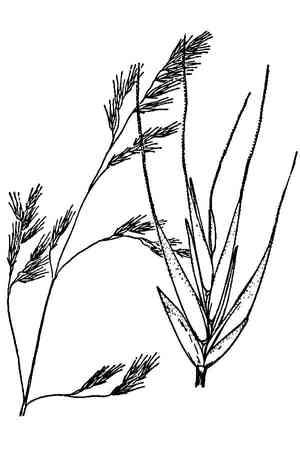
1
This botanical specimen is remarkably resilient and tolerant of arid conditions.
2
It serves a vital function in averting the degradation of topsoil.
3
Frequently employed in ecological landscaping and efforts to reestablish natural environments.
Why Western Fescue Excels in Landscaping
Drought Resistance
A key attribute of Western fescue is its excellent drought tolerance. This makes it an ideal selection for areas facing water shortages or for those aiming for water-efficient landscape designs. Its deep root structure enables it to access moisture deep within the soil, ensuring survival during extended dry spells without frequent watering.
Low Maintenance Requirements
Western fescue is recognized for its minimal upkeep demands, making it a preferred choice for both gardeners and landscape designers. Once rooted, it needs little attention, reducing the necessity for fertilizers, pesticides, and frequent mowing. This not only saves time and effort but also cuts down on maintenance costs, making it an economical option for extensive landscaping endeavors.
Western Fescue's Contribution to Ecological Health
Erosion Control
Erosion prevention is a primary ecological advantage offered by Western fescue. Its dense root network stabilizes the earth, preventing it from being easily displaced during heavy rainfall or strong winds. This positions it as an excellent plant for areas prone to erosion, such as inclines and river edges, where preserving soil integrity is vital.
Wildlife Habitat
Western fescue provides a home for various animal species, including insects, small mammals, and birds. Its thick foliage offers cover and protection, while its seeds serve as a food source for many creatures. Incorporating Western fescue into habitat recovery projects can therefore boost biodiversity and support local wildlife populations.
Uses of Western Fescue in Sustainable Land Management
Natural Landscaping
In natural landscape design, Western fescue is frequently chosen for its aesthetic appeal and ecological advantages. Its lush, green appearance integrates seamlessly with natural surroundings, creating visually pleasing and eco-friendly landscapes. This makes it a popular option for parks, nature preserves, and residential gardens seeking a natural look.
Habitat Restoration
Western fescue plays a crucial role in efforts to restore habitats. Its ability to adapt to various soil types and climates allows it to flourish in degraded areas, helping to reestablish plant cover and revitalize ecosystems. By planting Western fescue, conservationists can bring back native vegetation, improve soil health, and support broader ecological functions.
Why Select Western Fescue for Climate-Resilient Landscaping?
Carbon Sequestration
A less commonly known but highly significant benefit of Western fescue is its capacity to store carbon. Through photosynthesis, this plant captures atmospheric carbon dioxide and stores it in the soil, aiding in efforts to mitigate climate change. By including Western fescue in landscaping plans, land managers can contribute to lowering greenhouse gas levels and fostering a more sustainable environment.
Adaptability
Western fescue demonstrates high adaptability to diverse environmental conditions, including various soil types and climates. This versatility allows its use in a wide range of settings, from urban green spaces to rural landscapes. Its capacity to thrive under varied conditions makes it a dependable choice for projects focused on enhancing climate resilience.
Practical Advice for Integrating Western Fescue into Your Projects
Site Assessment
Before planting Western fescue, it is crucial to evaluate the site's conditions, including soil type, sun exposure, and local climate. Understanding these elements will help determine the most suitable planting strategy and ensure the plant's successful establishment.
Planting and Maintenance
When planting Western fescue, it is essential to follow best practices for soil preparation, spacing, and watering during the initial establishment phase. Once the plant is established, its maintenance needs are minimal, but occasional mowing or trimming may be necessary to prevent overgrowth and maintain its appearance.
Case Studies: Success Stories of Western Fescue in Action
Urban Green Spaces
In urban areas across the U.S., Western fescue has been successfully used to create sustainable green spaces that demand less maintenance and water. Cities have incorporated it into public parks, rooftops, and community gardens, highlighting its versatility and advantages.
Ecosystem Restoration Projects
Western fescue has been a key component in several large-scale ecosystem restoration initiatives. For example, in certain regions, it has been employed to rehabilitate riverbanks and prevent soil erosion, showcasing its effectiveness in promoting healthier, more robust ecosystems.



