How to Prune Fine-leaved sheep's fescue?
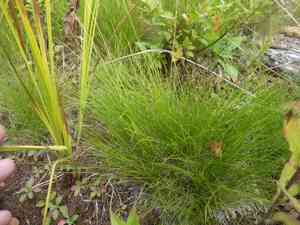
This delicate perennial grass flourishes with little attention but gains from periodic trimming to sustain its vitality and visual charm. Essential pruning for fine-leaved sheep's fescue entails cutting back the foliage in early spring or during winter, prior to the emergence of new shoots. Pruning at these times aids in revitalizing growth and elevates the decorative aspect of fine-leaved sheep's fescue without diminishing its resilience. Consistent trimming also manages its expansion, rendering it perfect for manicured environments. Precise pruning guarantees sturdy, attractive clumps and deters excessive growth.
What Are the Benefits of Pruning Fine-leaved Sheep's Fescue?
What Are the Benefits of Pruning Fine-leaved Sheep's Fescue?
Trimming fine-leaved sheep's fescue encourages robust development and maintains its compact form, vital for landscaping and turf applications. Consistent cutting helps prevent excessive growth and promotes a dense, even lawn.
What Is the Best Time for Pruning Fine-leaved Sheep's Fescue?
What Is the Best Time for Pruning Fine-leaved Sheep's Fescue?
Pruning fine-leaved sheep's fescue in early spring or winter aligns with its dormant phase, minimizing plant stress while fostering strong growth upon active resumption. Winter pruning is optimal for preparing fine-leaved sheep's fescue for vigorous spring development, removing dead or diseased foliage to stimulate new growth and enhance overall health. Early spring pruning, before new growth begins, aids in shaping the plant and managing its size effectively, contributing to denser, more uniform growth throughout the growing season.
What Tools Do I Need to Prune Fine-leaved Sheep's Fescue?
Hand Shears
Given the delicate texture of fine-leaved sheep's fescue, small, precise shears are perfect for making clean cuts without harming the grass blades. They offer excellent control and accuracy, crucial for preserving the desired shape and health of fine-leaved sheep's fescue.
Grass Scissors
For precise trimming and upkeep around edges or in confined areas, hand-held grass scissors provide the necessary accuracy. Their design allows for delicate snips on fine-leaved sheep's fescue, enabling careful pruning without damage.
Manual Lawn Mower
Perfect for uniformly cutting the turf of fine-leaved sheep's fescue. This tool's adjustable height allows for gentle trimming of the grass to the recommended level without stressing or scalping the lawn.
Leaf Rake
Though primarily used for collecting leaves, a flexible leaf rake can be gently employed after trimming fine-leaved sheep's fescue to remove clippings and help maintain a tidy growing environment. This improves air circulation and lowers disease risk.
How to Prune Fine-leaved Sheep's Fescue
Identify
Locate and assess the diseased and withered leaves on fine-leaved sheep's fescue. Carefully inspect fine-leaved sheep's fescue's clumps for any discolored, damaged, or unhealthy-looking leaves.
Prepare
Ready the appropriate tools for pruning fine-leaved sheep's fescue. Utilize sharp and clean scissors or shears to ensure a precise cut, which helps prevent further damage and disease spread.
Cut
Carefully snip off the diseased and withered leaves at their base, close to the ground. Be sure not to pull the leaves, as this can harm the healthy parts of fine-leaved sheep's fescue.
Dispose
Properly discard the removed leaves by placing them in a bin or bag. Avoid composting diseased material, as it can spread pathogens in your compost.
Monitor
Regularly observe fine-leaved sheep's fescue after pruning for any indications of new diseased or withered leaves and repeat the process as needed to keep fine-leaved sheep's fescue healthy.
Common Pruning Mistakes with Fine-leaved Sheep's Fescue
Overpruning
A frequent error is removing too much foliage from fine-leaved sheep's fescue, which can weaken the plant's structure and reduce its vigor. It's crucial not to cut more than one-third of the plant's total mass in a single session.
Improper technique
Using dull or incorrect tools can harm the delicate leaves and stems of fine-leaved sheep's fescue, leading to frayed edges that are susceptible to pests and diseases.
Neglecting deadheading
Failing to remove spent flower stems from fine-leaved sheep's fescue can prevent the growth of new shoots, limiting the plant's overall health and aesthetic appeal.
Common Pruning Tips for Fine-leaved Sheep's Fescue
Use sharp tools
Always use sharp, clean pruning shears or scissors to make clean cuts, which helps prevent damage and encourages quicker healing.
Encourage bushiness
Prune fine-leaved sheep's fescue by trimming back the outermost growth to encourage a fuller, bushier appearance. Focus on snipping the tips of the stems, especially after a bloom diminishes.
Periodic thinning
Thin out crowded areas periodically to improve air circulation, which is essential for preventing fungal infections. Remove any thin, weak, or dead stems to maintain the health and aesthetics of fine-leaved sheep's fescue.



