The Fine-leaved sheep's fescue Plant Advantage: Maximizing Home and Office Appeal and Wellness
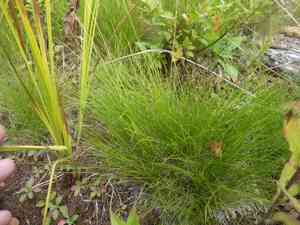
1
Slender sheep's fescue aids in stopping soil degradation, making it an excellent option for land areas.
2
Slender sheep's fescue withstands dry conditions, lessening the demand for regular irrigation and upkeep.
3
Its thick growth pattern offers superb ground coverage for diverse settings.
Environmental Advantages of Fine-leaved sheep's fescue
How Does Fine-leaved sheep's fescue Prevent Soil Erosion?
A primary advantage of Fine-leaved sheep's fescue is its capacity to prevent soil degradation. Its robust root structure binds the soil, lessening erosion risk even on steep inclines. This makes it an excellent choice for erosion control initiatives, particularly in areas prone to heavy rainfall or water runoff. Stabilizing the soil not only preserves the terrain but also prevents nutrient depletion, vital for sustaining healthy plant life.
What Are the Water Conservation Benefits of Fine-leaved sheep's fescue?
Fine-leaved sheep's fescue is well-known for its drought resistance, making it an ideal plant for arid regions. Unlike other grass varieties that need frequent watering, Fine-leaved sheep's fescue can flourish with minimal water. This trait significantly reduces water consumption, encouraging sustainable gardening and landscaping practices. Furthermore, Fine-leaved sheep's fescue can maintain its vibrant green appearance even with limited water, ensuring landscapes remain appealing and lively year-round.
Visual and Functional Benefits
How Does Fine-leaved sheep's fescue Enhance Landscape Aesthetics?
Fine-leaved sheep's fescue is highly valued for its visual appeal. Its slender leaves offer a graceful and refined look, making it a popular option for decorative gardens and outdoor spaces. The plant's ability to form dense clumps creates a consistent ground cover that can elevate the overall beauty of any outdoor area. Additionally, Fine-leaved sheep's fescue's vivid green hue adds a touch of natural charm, making it a versatile choice for various landscape designs.
What Practical Uses Does Fine-leaved sheep's fescue Offer for Gardeners
Beyond its visual merit, Fine-leaved sheep's fescue provides several practical advantages for gardeners. Its dense growth habit effectively suppresses weeds, decreasing the need for chemical herbicides and manual weeding. This not only saves time and effort but also promotes an environmentally friendly gardening approach. Moreover, Fine-leaved sheep's fescue can thrive in various soil types, from sandy to clay, making it a adaptable option for different garden environments. Its low-maintenance nature means that once established, it requires minimal care, allowing gardeners to enjoy a beautiful and effortless landscape.
Supporting Biodiversity with Fine-leaved sheep's fescue
How Does Fine-leaved sheep's fescue Promote Wildlife Habitat?
Fine-leaved sheep's fescue plays a vital role in supporting biodiversity by offering a habitat for diverse wildlife species. Its dense foliage provides shelter and nesting spots for insects, birds, and small mammals, boosting the ecological value of the landscape. Additionally, the plant's seeds serve as a food source for birds and other wildlife, contributing to the overall health of the ecosystem. By incorporating Fine-leaved sheep's fescue into gardens and landscapes, individuals can support local wildlife and foster a balanced and flourishing natural environment.
What Role Does Fine-leaved sheep's fescue Play in Pollinator Conservation?
Pollinators are crucial for healthy ecosystems, and Fine-leaved sheep's fescue can significantly aid their preservation. The plant's blossoms attract bees, butterflies, and other pollinators, supplying them with nectar and pollen resources. By supporting pollinators, Fine-leaved sheep's fescue helps ensure the pollination of various plants, including food crops, thereby promoting agricultural productivity and biodiversity. Planting Fine-leaved sheep's fescue in gardens and landscapes can therefore positively impact pollinator populations and overall ecosystem health.



