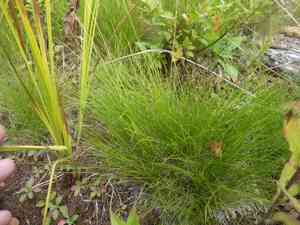
Fine-leaved sheep's fescue (Festuca filiformis)
Also known as: Hair fescue, Fine-leaved fescue
Festuca filiformis, also called fine-leaf sheep fescue, fine-leaved sheep's fescue, hair fescue, and slender fescue, is a grass species. It originates from Europe and has spread to other regions where it often appears as an introduced species or a weed.
In This Article
Attributes of Fine-leaved sheep's fescue
Lifespan
Perennial
Plant Type
Grass
Plant Height
30 to 60 cm
Spread
30 to 60 cm
Leaf Color
Green
Flower Size
Not applicable (grass species)
Flower Color
Green Yellow Purple Brown
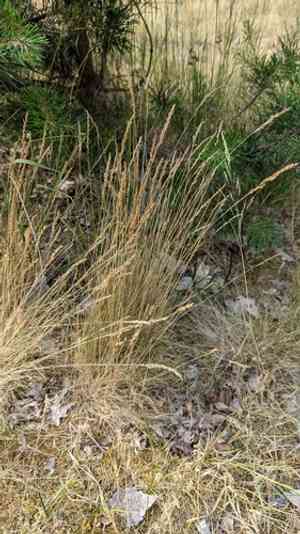
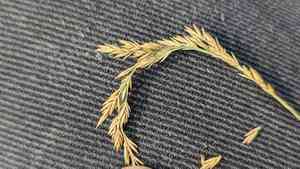
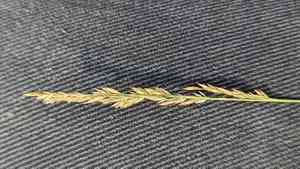
Images of Fine-leaved sheep's fescue
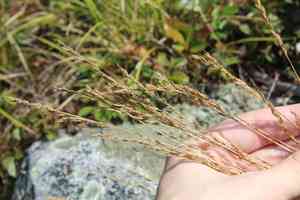
Quickly Identify Fine-leaved sheep's fescue
1
Festuca filiformis can be identified by its fine, thread-like leaves which are typically a bluish-green color. Look for its dense tufts and the hair-like appearance of the leaves. The plant exhibits a bunchgrass form and typically grows in tufts.
Scientific Classification of Fine-leaved sheep's fescue
Phylum
Vascular plants
Class
Monocotyledons
Order
Poales
Family
Grass
Genus
Festuca
Species
Fine-leaved sheep's fescue
Planting and Growing of Fine-leaved sheep's fescue
Care Difficulty
Easy
Watering Schedule
Every 3 days
Sunlight Requirements
Partial sun
Sunshine Duration
6-8 hours
Ideal Temperature
60-75℉
Soil Type
Potting Mix, Peat Mix
Soil pH
6.5-7.5
Fertilizer Type
Balanced
Pruning Season
Spring, Summer
Pruning Area
Branches, Leaves
Pruning Frequency
2 times a year
Repotting Season
Spring
Pot Type
Plastic, Ceramic
 How to Water Fine-leaved sheep's fescue?
Festuca filiformis prefers moderate watering. Aim to keep the soil evenly moist but not waterlogged. Check the top one inch of soil between waterings. If dry, it's time to water. Always avoid allowing the plant to sit in standing water to prevent root rot.
What are the symptoms of an underwatered Fine-leaved sheep's fescue?
›
What should I do if my Fine-leaved sheep's fescue is not getting enough water?
›
What are the symptoms of an overwatered Fine-leaved sheep's fescue?
›
How to save an overwatered Fine-leaved sheep's fescue?
›
 What Are the Sunlight Requirements for Fine-leaved sheep's fescue?
Partial sun exposure is ideal, aiding vigorous growth and maintaining structural integrity. This light range prevents tissue damage, facilitates optimal color retention, and supports sustained photosynthetic activity.
Optimal Growth Environment
›
Problem Solving for Ideal Sunlight
›
Benefits of Ideal Lighting
›
 What Is the Ideal Temperature Range for Fine-leaved sheep's fescue?
The ideal temperature range for Festuca filiformis is between 60°F and 75°F. These temperatures mimic the plant's natural habitat conditions, providing an optimal environment for efficient photosynthesis and healthy growth. Maintaining temperatures in this range helps ensure the plant's vibrant green color and overall resilience.
 What Soil is Best for Fine-leaved sheep's fescue?
Festuca filiformis thrives in well-drained soil, preventing root rot and ensuring healthy growth. Proper drainage facilitates better nutrient uptake and promotes a robust root system. Preferring a soil pH between 6.5 and 7.5, Festuca filiformis enjoys an environment that promotes optimal nutrient availability, promoting vibrant foliage and vigor in growth. While it does not require highly fertile soil, Festuca filiformis benefits from moderate fertility levels that support sustained growth without encouraging excessive leafiness.
 How to Fertilize Fine-leaved sheep's fescue?
For Festuca filiformis, the amount of fertilizer should be moderate. Over-fertilization can harm the plant, whereas under-fertilization can lead to poor growth. Aim for a balanced half-strength liquid fertilizer applied monthly in the growing season, around 0.5 pounds per 100 square feet.
 How to Prune Fine-leaved sheep's fescue?
Begin by removing any dead or damaged blades of grass from around the plant's base. Afterward, trim the tips of the leaves to encourage bushier growth, maintaining a consistent height for an even appearance. Finally, inspect the plant for any signs of pests or disease, acting accordingly if detected.
More About Pruning Techniques→
 How to Propagate Fine-leaved sheep's fescue plant?
1
Ensure the soil is well-draining and free from weeds. Mixing sand with the soil improves drainage, which is crucial for Festuca filiformis growth.
2
Sow seeds thinly on the surface of prepared soil and cover lightly with vermiculite. Maintain consistent moisture but avoid waterlogging.
3
Carefully dig up the mature grass clump and divide it into smaller sections with roots attached. Replant each section at the same depth to ensure stability.
 How to Repot Fine-leaved sheep's fescue plant?
1
Festuca filiformis shows signs of needing repotting when its roots are visible through drainage holes, or the soil dries out rapidly, suggesting overcrowding. Ideally, repot in Spring or Summer as the active growth period helps recovery.
2
Choose a pot slightly larger than the current one, with plenty of drainage holes. This ensures that water can escape easily, preventing root rot, which is vital for a grass-like plant that prefers drier conditions.
3
Opt for a well-draining potting mix, perhaps containing sand or perlite. This kind of soil mimics the plant's natural habitat, providing excellent aeration and drainage, which helps prevent root diseases and promotes healthy growth.



