How to Prune Forked aster?
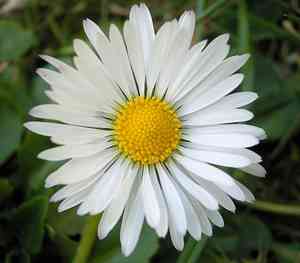
Forked aster is a perennial herb recognized for its slender, bifurcated stalks and stellate blossoms. Trim forked aster during the initial part of spring or the latter portion of winter to foster robust development and prolific flowering. Eliminate impaired or lifeless stems, severing them at the ground level to stimulate fresh growth. Consistent removal of faded blooms improves the plant's general aesthetic and vitality. Appropriate trimming boosts air movement, diminishing the likelihood of ailments and insect problems, thereby guaranteeing a strong and thriving garden presentation.
What Are the Benefits of Pruning Forked Aster?
What Are the Benefits of Pruning Forked Aster?
Trimming forked aster promotes robust development by eliminating dead or weak stems, maintains the plant's form, and encourages more abundant blooms. Regular trimming aids in size management and enhances air circulation, thereby reducing the risk of pests and diseases.
What Is the Best Time for Pruning Forked Aster?
What Is the Best Time for Pruning Forked Aster?
Pruning or trimming forked aster during early spring and late winter is optimal as it allows the plant to recuperate swiftly before the growing season begins. These periods occur when forked aster is dormant or just emerging from dormancy, minimizing stress and lowering disease risk. Additionally, trimming at these times helps shape the plant prior to its main growth phase, improving its overall health and appearance. Pruning in early spring or late winter also avoids disrupting the flowering period, ensuring a full bloom in the subsequent season.
What Tools Do I Need to Prune Forked Aster?
Bypass Pruners
Perfect for precise cuts since forked aster has thinner stems. Bypass pruners ensure clean cuts that minimize plant damage.
Pruning Shears
Useful for slightly thicker stems. They offer control and accuracy for detailed trimming.
Hedge Shears
Can be utilized for shaping and trimming forked aster when it has grown extensively.
Hand Snips
Ideal for delicate tasks, such as removing small stems or spent flowers, without harming the plant structure.
Loppers
Helpful for cutting thicker stems or for rejuvenation pruning of older, woody stems of forked aster.
How to Prune Forked Aster
Prepare tools
Gather clean, sharp pruning shears or scissors to ensure clean cuts and prevent disease spread.
Identify targets
Examine forked aster to locate diseased or withered leaves, focusing on areas showing discoloration or wilting.
Remove diseased leaves
Using the pruning shears, cut off diseased leaves at the base of the leaf stem, as close to the main stem as possible without causing damage.
Remove withered leaves
Cut away withered leaves, again ensuring you trim right at the leaf stem’s base for a tidy removal.
Dispose properly
Discard removed leaves away from the garden to prevent potential disease spread. Clean pruning tools with disinfectant after use.
Common Pruning Mistakes with Forked Aster
Over-pruning
Removing too much of the plant at once can stress forked aster, leading to poor growth and fewer flowers.
Incorrect cutting technique
Making improper cuts, such as tearing stems or leaves, can harm forked aster and increase susceptibility to diseases and pests.
Pruning at wrong height
Cutting too low or too high on the stem can affect forked aster's ability to recover and grow properly.
Ignoring dead or diseased parts
Failing to remove these parts of forked aster may spread diseases and hinder overall plant health.
Using dirty or dull tools
This can result in jagged cuts and introduce infections to forked aster.
Common Pruning Tips for Forked Aster
Use sharp, clean tools
Ensure your pruning shears or scissors are sterilized and sharp to make clean cuts on forked aster.
Remove dead and diseased stems
Focus on eliminating any unhealthy parts of forked aster first to promote better growth and prevent disease spread.
Cut at a 45-degree angle
Make angled cuts to promote quicker healing and reduce water retention on the cut surfaces of forked aster.
Thin out crowded growth
Prune selectively to improve air circulation and sunlight penetration within forked aster, enhancing its overall health.
Prune just above a bud
Make cuts just above a leaf node or bud to encourage new growth in the desired direction for forked aster.
Limit pruning to one-third of the plant
Avoid removing more than one-third of forked aster at a time to prevent undue stress and shock.



