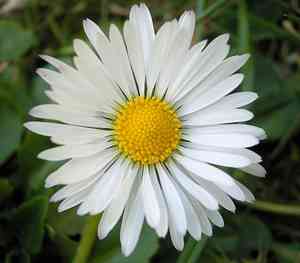
Forked aster (Eurybia furcata)
Also known as: Forked Aster
Forked aster (Eurybia furcata) is a resilient perennial that typically features a rosette of lance-shaped basal leaves. The plant is known for its distinctive forked stems. It flourishes best in cooler climates and produces clusters of small, daisy-like flowers with yellow centers and purple rays. Ideal growing conditions include rich, well-drained soil with plenty of organic matter and partial to full shade, reminiscent of its natural woodland habitat.
In This Article
Attributes of Forked aster
Lifespan
Perennial
Plant Type
Herb
Plant Height
30 cm to 91 cm
Spread
The crown can spread from 30 to 60 cm.
Leaf Color
Medium green
Flower Size
1 to 2 cm
Flower Color
White to pale lavender with yellow centers
Images of Forked aster
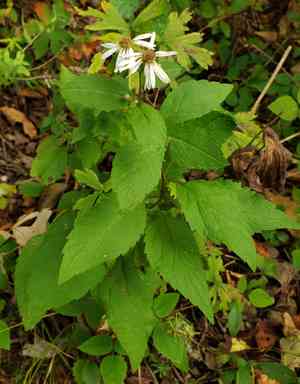
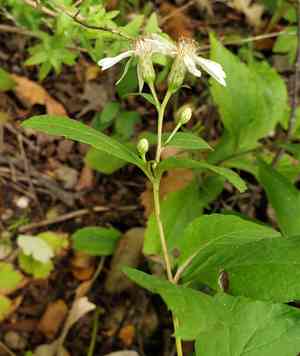
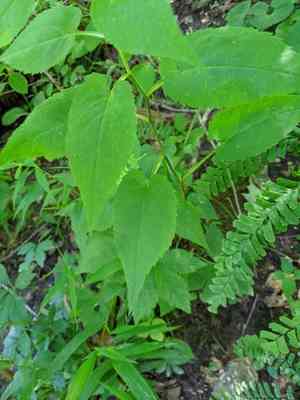
Quickly Identify Forked aster
1
To identify Eurybia furcata, look for its unique forked branches and bright white to pale lavender flowers with yellow centers. The leaves are typically lance-shaped, medium green, and may have fine serrations along the edges.
Scientific Classification of Forked aster
Phylum
Vascular plants
Class
Dicotyledons
Order
Asterales
Family
Daisy
Genus
Eurybia
Species
Forked aster
Planting and Growing of Forked aster
Care Difficulty
Moderate
Watering Schedule
Every 3 days
Sunlight Requirements
Partial sun
Sunshine Duration
6-10 hours
Ideal Temperature
65-75℉
Soil Type
Potting Mix, Peat Mix
Soil pH
6.5-7.5
Fertilizer Type
Balanced
Pruning Season
Spring, Summer
Pruning Area
Branches, Leaves
Pruning Frequency
2 times a year
Repotting Season
Spring
Pot Type
Plastic, Ceramic
 How to Water Forked aster?
Eurybia furcata requires moderate watering. The soil should be kept consistently moist but not waterlogged. Water deeply until you see water draining from the bottom, which ensures root saturation.
What are the symptoms of an underwatered Forked aster?
›
What should I do if my Forked aster is not getting enough water?
›
What are the symptoms of an overwatered Forked aster?
›
How to save an overwatered Forked aster?
›
 What Are the Sunlight Requirements for Forked aster?
Eurybia furcata generally favors partial sun, benefiting from about 4 to 6 hours of sunlight daily. This lighting encourages balanced growth and keeps the plant vibrant.
Optimal Sun Exposure for Eurybia furcata?
›
How to Provide Ideal Lighting for Eurybia furcata?
›
Benefits of Ideal Light for Eurybia furcata?
›
 What Is the Ideal Temperature Range for Forked aster?
Eurybia furcata thrives in a temperature range that mimics its native habitat. Ideally, maintaining a consistent environment between 65°F and 75°F is essential for optimal growth. These temperatures provide stability, ensuring that enzymatic and photosynthetic processes within the plant are not disrupted. Fluctuations outside this range can adversely affect growth patterns, potentially hindering flowering stages.
 What Soil is Best for Forked aster?
This plant thrives in well-drained soil that prevents waterlogging, reducing the risk of root rot and other water-related issues. Well-drained soil helps ensure adequate air circulation and nutrient availability, promoting healthy growth. Ample organic matter in the soil is crucial for this species as it provides essential nutrients for the plant's development. It enhances soil structure, water retention, and microbial activity, fostering a robust root system and vibrant foliage. Maintaining even moisture levels without excessive water is vital. The soil should retain enough moisture to support the plant's needs but also allow excess water to drain away. This balance is key to avoiding drought stress and promoting lush growth.
 How to Fertilize Forked aster?
Eurybia furcata prefers a balanced amount of nutrients that supports its growth without overwhelming it. For liquid fertilizers, dilute them to half their recommended strength and apply evenly across the soil surface. For slow-release fertilizers, use approximately 50 grams per application, distributing it around the plant base, avoiding direct contact with the stems or leaves.
 How to Prune Forked aster?
Before you start, closely inspect your Eurybia furcata for dead or diseased branches. Remove these first to prevent the spread of any issues. By doing this, you set a healthy foundation for the plant's growth. When pruning Eurybia furcata, ensure you make cuts just above leaf nodes or buds. This stimulates lateral growth, leading to a fuller and healthier plant. Proper cuts improve airflow and light penetration. After pruning, thoroughly clean up any fallen leaves or cut branches. This helps prevent pest infestations and disease spread in your garden or plant space, keeping the environment healthy.
More About Pruning Techniques→
 How to Propagate Forked aster plant?
1
Ensure that the seeds were harvested from healthy, mature plants. Allow natural drying and store them under cool, dry conditions until planting time.
2
Select a healthy stem from the parent plant. Cut at an angle just below a leaf node and strip leaves from the lower half to prepare for rooting.
3
Carefully dig up the mature plant and separate it into smaller sections with roots. Replant these divisions in carefully prepared soil to encourage growth.
 How to Repot Forked aster plant?
1
Eurybia furcata shows signs of needing repotting when you observe roots emerging from the drainage holes or when the plant's growth significantly slows. Another indicator can be water sitting on the soil surface too long, indicating poor drainage due to root bound conditions. Repotting before the growing season ensures the plant has time to establish itself in the new pot.
2
Select a pot that is 1-2 inches larger in diameter than the current one. This gives the roots ample space to grow without too much excess soil, which can retain moisture and lead to root rot. Ensure the pot has adequate drainage holes to prevent water accumulation, promoting a healthy root environment.
3
Opt for a well-draining soil mix, preferably one that contains a combination of peat, perlite, and compost. This combination provides anchorage for roots, retains necessary moisture, yet allows excess water to drain efficiently. Good soil aeration supports root health and reduces the risk of root diseases.



