How to Propagate Forked aster?
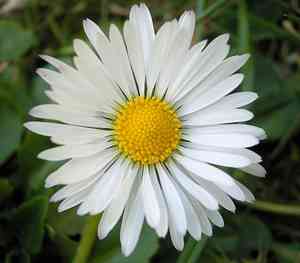
The forked aster, a fragile botanical specimen adorned with vibrant purple blossoms, flourishes in damp, dimly lit surroundings. For successful propagation of forked aster via seeding, gently embed the seeds in a fertile, well-aerated growing medium. Maintain steady hydration without oversaturation and offer dappled sunlight to replicate its native conditions, thereby encouraging robust sprouting and development.
When Is the Optimal Time to Propagate Forked Aster?
Propagation Method
Seeding
Propagation Period
Spring
What Equipment Is Utilized in Forked Aster Propagation?
Seedling Trays
Seedling trays are crucial for initiating forked aster seeds within a controlled setting. They aid in organizing young plants and guaranteeing consistent soil, water, and light exposure.
Seed Starting Mix
A seed starting mix is vital for sowing forked aster, as it offers a sterile, well-draining medium that encourages root development and lessens vulnerability to illnesses.
Label Stakes
Label stakes assist in keeping track of seedlings. Given the potentially small size of forked aster seeds and young plants, these markers are useful for identifying and managing various batches.
Spray Bottle
A spray bottle ensures gentle irrigation of forked aster seeds, preventing displacement or harm to delicate seedlings by delivering a fine mist.
Heat Mat
A heat mat provides warmth from below, which can boost the germination rate of forked aster seeds by sustaining an ideal soil temperature.
Grow Light
A grow light is necessary to supply sufficient illumination for forked aster seedlings, especially indoors or in low-light conditions, ensuring robust growth and preventing etiolation.
Humidity Dome
A humidity dome helps maintain the required moisture level and humidity around forked aster seeds, creating a favorable micro-environment for sprouting.
How to Propagate Forked Aster?
Propagation Difficulty
Simple
How to Nurture Your Newly Propagated Forked Aster?
How to Nurture Your Newly Propagated Forked Aster?
Once the young plants have emerged and grown sufficiently to handle, carefully transplant them into larger containers or directly into the garden. Ensure they are placed in well-draining soil in a location that receives partial to full sunlight. Water them consistently but avoid saturation. Apply mulch around the base to retain moisture and suppress weeds. Monitor for pests and diseases, and offer support if needed as forked aster matures. Regularly trim any damaged or dead parts to promote vigorous growth.
Common Errors to Avoid When Propagating Forked Aster
Overwatering
Applying excessive water can lead to root rot, which severely impedes the plant's ability to establish and flourish.
Incorrect Soil Type
Utilizing heavy, clay-rich soil can result in poor drainage and compaction, making it difficult for roots to spread and access essential nutrients.
Insufficient Lighting
Not providing enough light can hinder growth and result in leggy, weak plants that are more susceptible to disease.
Improper Cutting Technique
Using dull or unclean tools can damage the cuttings and introduce pathogens, decreasing the likelihood of successful propagation.
Neglecting Humidity
Failing to maintain adequate humidity around the cuttings can cause them to dry out, impeding root development and leading to failure.
Advice For Propagating Forked Aster
Utilize Well-Draining Soil
Employ a mixture that keeps the roots aerated and prevents waterlogging, such as a blend of peat and perlite.
Provide Ample Light
Position the plant in a bright, indirect light location to encourage healthy growth and development.
Maintain Humidity
Cover the cuttings with a plastic dome or bag to retain moisture and create a humid environment conducive to root formation.
Clean and Sharp Tools
Always use sterilized, sharp tools to make clean cuts for cuttings, reducing the risk of disease and encouraging successful propagation.
Regular Monitoring
Check the cuttings regularly for signs of disease or pest infestations and address issues promptly to ensure healthy propagation.



