How to Prune Serrate spurge?
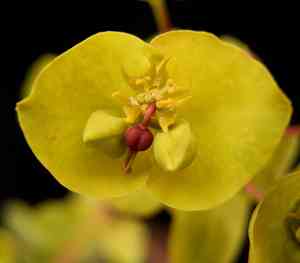
A perennial plant featuring toothed foliage, serrate spurge thrives across diverse environments. In early spring, remove any lifeless or frail stalks to foster robust development. Throughout the summer, after the initial flowering, trim the plant to preserve its form and stimulate a subsequent blossoming. Refrain from excessive cutting; a gentle trim is ample. Pruning improves air movement and diminishes the likelihood of illness, which is crucial for the vitality of serrate spurge.
What Are the Benefits of Pruning Serrate Spurge?
What Are the Benefits of Pruning Serrate Spurge?
Trimming serrate spurge promotes robust development and maintains its desired form, enhancing plant health and visual appeal. It stimulates fresh, strong growth, ensuring the plant stays vibrant and well-structured.
What Is the Best Time for Pruning Serrate Spurge?
What Is the Best Time for Pruning Serrate Spurge?
Trimming serrate spurge in late spring to early summer allows for the removal of any winter damage or dead material, coinciding with the start of the plant's active growth phase. This timing encourages healthy new growth, beneficial for the plant's overall vigor and resilience. Additionally, pruning after the risk of frost has passed and before the peak summer heat ensures minimal stress on the plant, which helps maintain its health and flowering potential. The chosen seasons avoid interrupting the early spring growth spurt and prevent pruning too late, which could negatively affect late summer blooming or the plant's preparation for dormancy in the fall.
What Tools Do I Need to Prune Serrate Spurge?
Bypass Pruners
Perfect for making clean cuts when trimming thinner stems and smaller branches of serrate spurge. The bypass blade design minimizes harm to live plant tissue while offering precise control.
Gloves
Essential for protecting hands from the irritating sap of serrate spurge, which can cause skin irritation upon contact.
Pruning Saw
Useful for cutting through thicker stems or branches of serrate spurge that bypass pruners cannot manage. The saw allows for accurate, clean cuts without applying excessive force.
Long-Sleeved Clothing
Recommended to wear to shield skin from the sap of serrate spurge during the pruning process.
Eye Protection
Crucial for safeguarding eyes from potential sap splatters when cutting parts of serrate spurge, as the sap can be irritating to the eyes.
How to Prune Serrate Spurge
Identify
Examine serrate spurge carefully, identifying all diseased and withered leaves, as well as any diseased stems that require removal.
Sanitize
Before beginning to prune serrate spurge, clean your pruning tools with a disinfectant such as alcohol or a 10% bleach solution to prevent the spread of disease.
Trim Leaves
Using sharp, sanitized pruning shears, carefully trim away the diseased and withered leaves from serrate spurge, making cuts close to the base of the leaf stem without harming the main stem.
Trim Stems
If there are diseased stems on serrate spurge, make clean cuts to remove them. Cut back to just above a healthy leaf node or lateral branch, ensuring you do not remove more than a third of the plant's overall stem length.
Dispose
Properly dispose of the trimmed diseased and withered material away from serrate spurge and other plants to prevent the potential spread of any pathogens.
Common Pruning Mistakes with Serrate Spurge
Over Pruning
Trimming too much foliage or too many stems at once can stress serrate spurge, leading to weak growth or even plant death.
Improper Cut Locations
Cutting stems either too close or too far from the node can either damage the remaining stem or result in unsightly stubs that can become entry points for disease.
Using Dull Tools
Dull pruning tools can cause jagged cuts that are more susceptible to disease and may harm serrate spurge.
Ignoring Plant Shape
Pruning without considering the natural form of serrate spurge can result in an unbalanced and unhealthy plant.
Neglecting Hygiene
Failing to disinfect pruning tools between uses can spread diseases from one plant to another.
Common Pruning Tips for Serrate Spurge
Sharp Clean Tools
Use sharp, clean shears to make precise cuts on serrate spurge, reducing damage and lowering the risk of disease transmission.
Prune To Shape
Prune to maintain the natural shape of serrate spurge, removing only what is necessary for plant health or desired appearance.
Thin Crowded Areas
Thin out crowded areas to improve light penetration and air circulation, which can help serrate spurge maintain vigor and prevent disease.
Cut At Appropriate Angle
Make cuts at a 45-degree angle just above a node or branch junction, ensuring quick healing and reducing the chance of water accumulation that can lead to rot.
Remove Dead Material
Regularly remove dead or diseased stems to encourage healthy growth and allow serrate spurge to direct energy to thriving parts of the plant.



