Enhancing Your Garden Design with the Serrate spurge Plant: A Landscaping Guide
1
Serrate spurge makes a great choice for eco-friendly landscapes.
2
Serrate spurge complements numerous other plant species effectively.
3
Serrate spurge typically requires minimal water, ideal for drought-tolerant gardening.
Introducing Serrate Spurge in Landscaping
Overview of Serrate spurge and its distinct attributes.
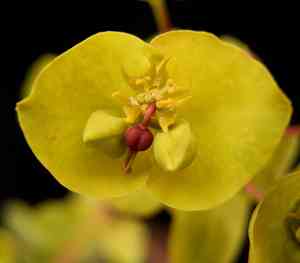
Serrate spurge is a versatile plant recognized for its striking appearance and hardiness. Characterized by its serrated leaves and unique foliage, it provides a distinct visual appeal in various landscape designs. This plant is not only visually appealing but also requires minimal upkeep, making it an excellent option for both new and seasoned gardeners.
Advantages of incorporating Serrate spurge into home gardens.
Adding Serrate spurge to your home garden offers several benefits. It is drought-tolerant, thereby reducing water consumption in your garden. Furthermore, its low-maintenance nature means less time dedicated to care. Additionally, Serrate spurge supports local biodiversity by attracting beneficial insects and wildlife, fostering a healthier garden ecosystem.
Design Concepts Featuring Serrate Spurge
Establishing a focal point using Serrate spurge.
One effective way to utilize Serrate spurge in your landscaping is to create a central feature. Position Serrate spurge in a prominent location where its unique texture and form can capture attention. This could be at the heart of a flower bed, alongside a path, or as part of a larger garden scheme. Its distinctive look will naturally draw the eye and add an element of intrigue to your garden.
Companion plants that complement Serrate spurge.
Serrate spurge harmonizes well with a variety of companion plants, enhancing the overall beauty of your garden. Consider planting it alongside perennial grasses, ornamental alliums, and other drought-resistant plants. These combinations not only create a visually pleasing display but also ensure that all plants thrive under similar conditions.
Integrating Serrate spurge into rock gardens and xeriscapes.
Serrate spurge is particularly well-suited for rock gardens and xeriscapes due to its minimal water requirements. In these environments, the plantâs rugged, natural aesthetic complements the rocky and arid surroundings. Use Serrate spurge to fill spaces between rocks or as a ground cover to retain soil moisture and mitigate erosion.
Practical Advice for Planting and Maintaining Serrate Spurge
Optimal season and conditions for planting Serrate spurge.
The best time to plant Serrate spurge is during spring or fall when temperatures are moderate. Select a location with well-draining soil and full sun to ensure optimal growth. If your garden has heavy clay soil, consider incorporating compost or sand to improve drainage.
Watering and light requirements for Serrate spurge.
Serrate spurge thrives in full sun, needing at least six hours of direct sunlight daily. Watering needs are minimal; a thorough watering once every two weeks should suffice in most climates. Be careful not to overwater, as Serrate spurge is adapted to dry conditions and can be prone to root rot if waterlogged.
Addressing common challenges encountered when cultivating Serrate spurge.
While Serrate spurge is robust, it can occasionally face issues such as pest infestations or excessive watering. Regularly inspect for signs of pests and apply organic treatments if necessary. Ensure your soil has adequate drainage to prevent root rot, and apply mulch around the plant's base to retain moisture and protect against extreme weather.
Landscape Styles Enhanced by Serrate Spurge
Country garden aesthetic with Serrate spurge.
Serrate spurge fits perfectly within a country garden style landscape, offering a rustic and natural feel. Plant it alongside traditional flowers like daisies, lavender, and roses to create a charming, countryside aesthetic. Its unique form contrasts beautifully with the softer lines of these classic plants.
Modern landscapes featuring Serrate spurge.
In modern landscapes, simplicity and structure are paramount. Serrate spurgeâs unique foliage provides a contemporary edge, making it an excellent choice for minimalist garden designs. Use Serrate spurge in geometric plantings or as part of a monochromatic palette to achieve a sleek, modern look.
Utilizing Serrate spurge in formal garden settings.
Serrate spurge can also be adapted for formal garden settings, where precision and order are crucial. Plant it in symmetrical arrangements or use it to line pathways and garden borders. Its distinctive texture adds a layer of sophistication to formal garden designs.
Sustainable Landscaping with Serrate Spurge
Role of Serrate spurge in sustainable gardening practices.
Serrate spurge plays a vital role in sustainable gardening by minimizing the need for water and chemical inputs. Its resistance to pests and diseases means fewer pesticides are necessary, promoting a healthier garden ecosystem. Additionally, it helps maintain soil health by preventing erosion and improving soil structure.
Water conservation and Serrate spurge
Serrate spurge is an excellent plant choice for water conservation efforts. Its low water needs make it perfect for xeriscapes and drought-prone areas. By incorporating Serrate spurge into your garden, you can significantly reduce your water usage without compromising on beauty or diversity.
Biodiversity and the integration of Serrate spurge
Integrating Serrate spurge into your garden enhances biodiversity by providing habitat and food for various insects and wildlife. This, in turn, supports the overall health and resilience of your garden. By choosing Serrate spurge, you contribute to a more balanced and thriving ecosystem.



