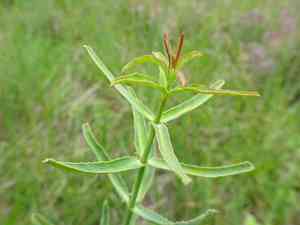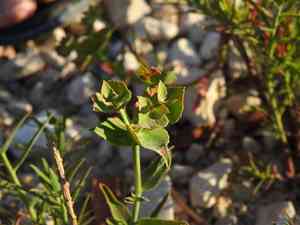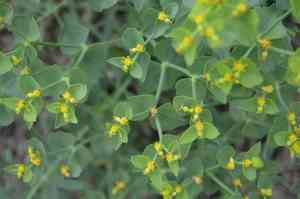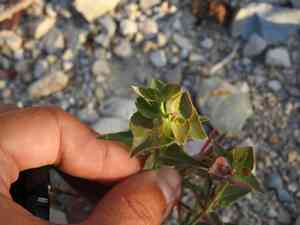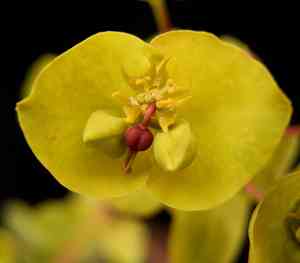
Serrate spurge(Euphorbia serrata)

Serrate spurge (Euphorbia serrata)

Also known as: Toothed spurge, Sawtooth spurge

**Uses of Serrate Spurge (Euphorbia serrata):**

1. **Ornamental Plant**: Valued for its distinctive appearance, it enhances garden aesthetics.
2. **Ground Cover**: Effective for covering soil and controlling erosion.
3. **Wildlife Support**: Offers habitat and nourishment for various birds and small mammals.

**Potential Drawbacks:**

1. **Toxic Sap**: Contact with the sap can lead to skin irritation, and ingestion can be harmful.
2. **Invasive Nature**: Classified as a noxious weed in certain areas like California, indicating its potential to spread aggressively.
3. **Management Challenges**: Requires careful control to prevent it from overtaking desired plants and affecting local biodiversity.

Attributes of Serrate spurge

Lifespan
Perennial
Plant Type
Herb
Plant Height
10 cm to 70 cm
Spread
30-50 cm
Leaf Color
Green
Flower Size
1-2 mm
Flower Color
Green Yellow

ForwardPlant - Identify plants with a snap

Identify and diagnose plants, get toxicity alerts, and explore safety guides for all types of fungi.

Try for Free

Images of Serrate spurge

Serrate spurge(Euphorbia serrata)

Quickly Identify Serrate spurge

1
The plant can be identified by its toothed, lance-shaped leaves and the characteristic inflorescences typical of the Euphorbia genus. The leaves are arranged alternately along the stem. It produces small, yellow-green flowers.

Scientific Classification of Serrate spurge

Phylum
Vascular plants
Class
Dicotyledons
Order
Malpighiales
Family
Spurge
Genus
Spurges
Species
Serrate spurge

Planting and Growing of Serrate spurge

Care Difficulty
Easy
Watering Schedule
Every 2 days
Sunlight Requirements
Full sun
Sunshine Duration
6-8 hours
Ideal Temperature
60-75℉
Soil Type
Potting Mix, Peat Mix
Soil pH
6.5-7.5
Fertilizer Type
Balanced
Pruning Season
Spring, Summer
Pruning Area
Branches, Leaves
Pruning Frequency
2 times a year
Repotting Season
Spring
Pot Type
Plastic, Ceramic

water icon How to Water Serrate spurge?

Euphorbia serrata requires a moderate amount of water. You should aim to give the plant approximately 250 mL of water per session. It's essential to water the plant until the soil feels slightly moist but not soggy, ensuring adequate drainage to prevent waterlogging.
What are the symptoms of an underwatered Serrate spurge?
What should I do if my Serrate spurge is not getting enough water?
What are the symptoms of an overwatered Serrate spurge?
How to save an overwatered Serrate spurge?

sunlight icon What Are the Sunlight Requirements for Serrate spurge?

Sunlight Requirements: Full sun, Partial sun
Duration of light: 5-8 hours daily
Euphorbia serrata thrives best with full sun to partial sun, receiving 5 to 8 hours of daylight. Ideal lighting conditions foster strong growth, richly colored foliage, and optimal flowering.
What is the ideal light for Euphorbia serrata?
How can you optimize sunlight exposure for Euphorbia serrata?
What are the benefits of ideal lighting for Euphorbia serrata?
More About Sunlight Requirements Techniques

temperature icon What Is the Ideal Temperature Range for Serrate spurge?

Ideal Temperature: 60 ~ 75℉
Euphorbia serrata thrives best in a temperature range of 60 to 75 degrees Fahrenheit. This range supports optimal growth and ensures the plant maintains its vibrant foliage. Keeping the temperature within this range will prevent stress and promote lush development. Regular monitoring and adjustments are advised to maintain this ideal climate.

soil icon What Soil is Best for Serrate spurge?

Soil type: Sandy soil, Loam, Calcareous soil
Soil PH: 6.5 ~ 7.5
Euphorbia serrata thrives in well-draining soil, which helps prevent root rot by avoiding water stagnation. For gardeners, this translates to less worry about overwatering and healthier, more robust plants. The plant benefits from soil that allows air to circulate freely around the roots. This ensures roots receive the oxygen they need, promoting growth and vigor in Euphorbia serrata. While not overly needy, Euphorbia serrata enjoys a nutrient-rich medium which supports its seasonal growth and flowering. A balanced soil mix will enhance the plant’s natural resilience and aesthetic appeal.

fertilize icon How to Fertilize Serrate spurge?

Fertilizer type: Balanced
Euphorbia serrata benefits from moderate fertilization. Use approximately 10-15 mL of liquid balanced fertilizer per plant per session. Make sure the concentration is neither too strong to avoid root damage nor too weak to provide adequate nutrients.

prune icon How to Prune Serrate spurge?

Pruning Time: Spring, Summer, Autumn
Start by inspecting the plant for any dead or diseased branches. Cut these back to the base to prevent them from affecting the healthy parts of the plant. Removing these parts allows for better air circulation and reduces the potential for pest infestations. Euphorbia serrata can grow quite large, so trimming it to maintain your desired shape and size is essential. Focus on removing any overgrown branches, especially those crossing each other, to ensure each part of the plant receives sufficient light. More About Pruning Techniques

propagate icon How to Propagate Serrate spurge plant?

Propagate Time: Spring,Late spring,Early spring
1
Select healthy, disease-free stems approximately 10cm long. Use a sharp knife to cut just below a node. Remove any leaves from the lower half of the cutting to focus energy on root development.
2
Prepare a pot with well-draining mix. Make a hole with a pencil or stick. This ensures the cutting enters the soil without damage, preventing bruising that could lead to rot.
3
Insert the cutting into the prepared hole in the potting mix, and press the soil gently around it to remove air pockets. Water lightly to settle the soil around the cutting.
More About Propagating Techniques

repot icon How to Repot Serrate spurge plant?

Repotting frequency: Every 2-3 years
1
Euphorbia serrata needs repotting when you notice roots coming out from the drainage holes, or if the plant appears top-heavy. Spring or autumn are ideal periods as the plant experiences growth spurts. Look for signs like slow growth or poor water retention as indications to repot.
2
Select a pot that is 1-2 inches larger in diameter than the current one. A terracotta or unglazed pot is preferable as it allows excess moisture to evaporate more easily. This prevents root rot and ensures proper air circulation to the roots, promoting a healthy root system.
3
Choose a well-draining cactus soil mix. Adding perlite or coarse sand enhances drainage which is crucial for preventing root rot. This type of soil mix supports Euphorbia serrata's natural habitat, mimicking arid conditions and ensuring the plant thrives.

ForwardPlant - Identify plants with a snap

Find the best spots for them to optimize their health, simply using your phone.

Try for Free

Toxicity

ingestion, skin contact

Identify toxic plants for your safety

Learn which plants are harmful to you and your pets, and make informed choices for a safer home!

Try for Free
WARNING
The judgment on toxicity and danger is for reference only. We DO NOT GUARANTEE any accuracy of such judgment. Therefore, you SHALL NOT rely on such judgment. It is IMPORTANT TO SEEK PROFESSIONAL ADVICE in advance when necessary.