How to Prune Eggleaf Spurge?
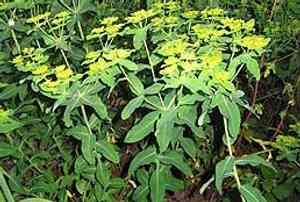
This enduring herbaceous plant is recognized for its elongated foliage and groupings of yellowish-green blossoms. Trim eggleaf Spurge between early spring and late autumn to preserve its form and manage its expansion. Remove faded flowers to stimulate additional blooming. After flowering, sever stems to ground level to revitalize the leaves. Always make precise, clean cuts to avert illness. Trimming boosts the plant's vitality, fosters thick development, and can hinder self-propagation, which is crucial for this abundant disperser.
What Are the Benefits of Pruning Eggleaf Spurge?
What Are the Benefits of Pruning Eggleaf Spurge?
Trimming eggleaf Spurge encourages robust development and helps maintain its intended form. Regular cutting can boost plant vigor, manage size, and enhance its visual appeal.
What Is the Best Time for Pruning Eggleaf Spurge?
What Is the Best Time for Pruning Eggleaf Spurge?
Pruning in early spring allows gardeners to remove any winter-damaged or diseased parts before the plant directs its energy to new growth, ensuring healthier development throughout the growing season. Late fall pruning is also suitable for eggleaf Spurge, as it aligns with the plantâs dormancy stage, minimizing stress and reducing sap loss. During this period, the absence of active growth allows for easier shape maintenance and removes any structures that could harbor pests or diseases over winter. These seasonal timings avoid disrupting the plantâs natural flowering and fruiting cycles while promoting vigorous growth for the next season.
What Tools Do I Need to Prune Eggleaf Spurge?
Secateurs
For eggleaf Spurge, secateurs, also known as pruning shears, are perfect for making clean cuts on smaller stems and branches. They offer precise control, essential for trimming this herbaceous perennial without harming its structure.
Gloves
When pruning eggleaf Spurge, wearing gloves is crucial due to the toxic sap the plant can release. This will protect the gardener's hands from potential skin irritation.
Long-sleeved clothing
Given that eggleaf Spurge's sap is an irritant, wearing long-sleeved clothing during pruning can prevent skin exposure.
Pruning Saw
For older, woodier eggleaf Spurge specimens that may have thicker branches, a pruning saw might be necessary to make clean cuts through the tougher material without causing undue stress to the plant or the gardener.
Garden Cleanup Tools
After pruning eggleaf Spurge, having a rake or broom on hand to clear fallen leaves and stems will help keep the garden tidy and reduce the risk of pests or diseases.
Eye Protection
Safety goggles or glasses are recommended to shield the gardener's eyes from the sap of eggleaf Spurge during the pruning process.
How to Prune Eggleaf Spurge
Step1: Inspect Plant for Pruning
Examine eggleaf Spurge for pruning, carefully checking for spent flowers, withered leaves, and overgrown stems that need removal. Ensure you are pruning at the correct time of year for eggleaf Spurge, ideally in late winter or early spring before new growth begins.
Step2: Sanitize Tools
Disinfect pruning tools to prevent disease spread. Use a mixture of 1 part bleach to 9 parts water or rubbing alcohol to clean your clippers or scissors.
Step3: Prune Dead Flowers
Remove dead flowers by snipping the flower stalk at its base where it emerges from the main plant. Do this carefully to avoid damaging new growth or leaves.
Step4: Remove Withered Leaves
Remove withered leaves by locating the base of the leaf where it connects to the stem and making a clean cut to detach it. Discard withered leaves to maintain good hygiene around eggleaf Spurge.
Step5: Trim Overgrown Stems
Trim overgrown stems to shape eggleaf Spurge and encourage bushier growth. Cut stems back to a lateral bud, leaf node, or a branching point. Ensure cuts are made at a 45-degree angle to allow for proper healing and water runoff.
Step6: Clean Up Pruning Debris
After pruning, clear all debris from around eggleaf Spurge to deter pests and diseases.
Step7: Monitor Plant Growth Post-Pruning
Monitor eggleaf Spurge after pruning for signs of new growth. Pruning should stimulate growth and result in a healthier plant with a more desirable form.
Post-Pruning Care for Eggleaf Spurge
Post-Pruning Care for Eggleaf Spurge
Immediately after pruning eggleaf Spurge, ensure clean cuts to aid quick healing; use sterile tools. Post-pruning, eggleaf Spurge should be placed in a bright, indirect light setting with moderate humidity and temperatures between 60-75°F to reduce stress. Water eggleaf Spurge sparingly to prevent root rot, allowing the soil to dry slightly between waterings. Apply a balanced, diluted fertilizer to support new growth. Monitor eggleaf Spurge for wilted leaves, discoloration, or sap leakage as signs of stress or infection. If detected, isolate the plant and adjust care as necessary.
Common Pruning Mistakes with Eggleaf Spurge
Inadequate Personal Protection
Failing to wear protective gloves and eyewear, which can lead to skin and eye irritation from the sap of eggleaf Spurge.
Excessive Pruning
Over-pruning, which may shock the plant, potentially stunting its growth or even causing death.
Improper Woody Stem Cutting
Cutting into old, woody stems too frequently instead of focusing on younger, herbaceous growth that shapes eggleaf Spurge's structure more effectively.
Neglecting Damaged Stems
Ignoring diseased or damaged stems, which can compromise the health and appearance of eggleaf Spurge.
Using Dull or Dirty Tools
Using dull or dirty pruning tools, which can result in jagged cuts that harm eggleaf Spurge and introduce disease.
Lack of Pruning Plan
Pruning without a clear plan or goal in mind, resulting in uneven growth and an unsightly appearance for eggleaf Spurge.
Common Pruning Tips for Eggleaf Spurge
Suitable Protective Gear
Wear gloves and protect eyes when pruning eggleaf Spurge to avoid irritation from its milky sap, which can be a skin and eye irritant.
Sharp and Clean Shears
Use clean, sharp pruning shears to make clean cuts that will heal quickly and reduce the risk of disease.
Prioritize Diseased Stem Removal
Focus on removing dead or damaged stems first, which will improve the overall health and look of eggleaf Spurge.
Controlled Pruning Approach
Prune the tips of eggleaf Spurge to encourage branching and create a fuller plant, but avoid removing more than one-third of the plant at a time to prevent over-pruning stress.
Post-Bloom Pruning for Regrowth
Cut back the stems of eggleaf Spurge by a few inches after the blooming period to promote a second wave of growth and flowering.
Deadhead to Enhance Blooming
Regularly remove faded flowers to promote further blooming and to maintain the aesthetic appearance of eggleaf Spurge.
Selective Formative Pruning
For shaping eggleaf Spurge, selectively prune longer stems to maintain or create the desired plant form.
Strategic Pruning Vision
Plan the pruning process in advance, visualizing the desired outcome for eggleaf Spurge's growth to ensure a balanced and healthy plant structure.



