How to Prune Arizona spurge?
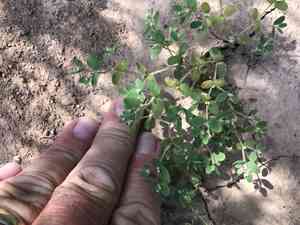
Arizona spurge exhibits unique, frequently fleshy leaves and flourishes in dry environments. Conduct pruning mainly from late winter to early spring, prior to the emergence of new shoots. Concentrate on excising deceased or compromised stalks to foster vigorous development and improve air circulation. Trimming aids in preserving a controlled dimension and form, and it stimulates an abundant floral exhibition. Due to its inherent hardiness, arizona spurge profits from infrequent yet deliberate pruning, guaranteeing its continued status as an attractive and thriving component in xeriscapes.
What Are the Benefits of Pruning Arizona Spurge?
What Are the Benefits of Pruning Arizona Spurge?
Arizona spurge thrives with trimming, promoting robust growth and maintaining its form. Regular trimming encourages healthier development, boosts resistance to pests and illnesses, and enhances its overall look, making it an ideal practice for gardeners.
What Is the Best Time for Pruning Arizona Spurge?
What Is the Best Time for Pruning Arizona Spurge?
Trimming arizona spurge from late winter to early spring is advised as it coincides with the plant's natural dormant phase. This timing minimizes stress and allows arizona spurge to recover swiftly as it enters its active growth period. Pruning just before new growth begins ensures the plant has ample energy to heal and produce vigorous new shoots. Additionally, this timing avoids interfering with any potential flowering or fruiting cycles, ensuring the plant can maximize its reproductive efforts during the growing season.
What Tools Do I Need to Prune Arizona Spurge?
Bypass Pruners
Bypass pruners are perfect for making clean cuts on live branches. They feature a sharp blade that glides past a broader lower blade, minimizing plant damage.
Gloves
Given arizona spurge's potential to secrete irritating sap, protective gloves are crucial to prevent skin irritation during trimming.
Long-Sleeved Shirt
Wearing a long-sleeved shirt helps reduce skin exposure to arizona spurge's sap, which can cause irritation.
Eye Protection
Safety goggles or glasses are recommended to shield the eyes from sap that might squirt out during cutting.
Disinfecting Solution
A disinfecting solution (such as diluted bleach or 70% isopropyl alcohol) is vital for cleaning tools before and after pruning, which helps prevent disease spread.
How to Prune Arizona Spurge
Prep tools
Ensure your pruning shears or scissors are sterilized to prevent disease transmission.
Inspect plant
Carefully examine arizona spurge to identify any diseased or withered leaves that require removal.
Remove diseased leaves
Cut off all visibly diseased leaves at their base with clean, precise cuts to prevent disease spread.
Trim withered leaves
Clip away withered leaves by following their stems to the base, ensuring no dead material remains attached.
Dispose waste properly
Discard the pruned leaves in the trash to prevent any potential spread of disease. Do not compost these leaves.
Common Pruning Mistakes with Arizona Spurge
Over-pruning
Removing too much foliage can result in stunted growth, reduced blooms, and increased susceptibility to pests and diseases.
Improper tool usage
Using dull or dirty pruning tools can lead to jagged cuts that heal poorly and may introduce infections.
Pruning at the wrong angle
Cuts not made at the correct angle can hinder proper healing, creating an entry point for pathogens.
Ignoring the plant's natural shape
Pruning without considering arizona spurge's natural form can lead to an unbalanced, unattractive appearance and disrupt its growth pattern.
Neglecting safety precautions
Failing to wear gloves and protective clothing can expose gardeners to arizona spurge's sap, which can cause skin irritation.
Common Pruning Tips for Arizona Spurge
Sanitize tools
Always clean and disinfect pruning tools before use to prevent disease spread.
Use sharp tools
Ensure that pruning shears and other tools are sharp to make clean, precise cuts.
Make angled cuts
Prune at a 45-degree angle just above a leaf node or bud to promote healthy new growth and prevent water from settling on cut surfaces.
Prune selectively
Remove only dead, damaged, or diseased branches to maintain the plant's health while preserving its natural form. Avoid extensive pruning all at once.
Wear protective gear
Wear gloves and long sleeves to protect your skin from arizona spurge's sap, which can be irritating.



