How to Propagate Arizona spurge?
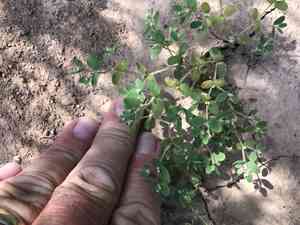
Euphorbia arizonica, a robust perennial, originates from dry environments. To achieve successful propagation, plant seeds in soil that drains effectively and keep it moderately damp. Employ a sandy or coarse growing medium to replicate its native environmental conditions. Provide abundant sunlight and shield nascent seedlings from harsh temperatures.
Optimal Time for Arizona Spurge Propagation
Propagation Method
Seeding
Propagation Period
Spring
Tools Utilized for Arizona Spurge Propagation
Seed Trays
Seed trays are vital for planting arizona spurge seeds. They offer a regulated environment for seed sprouting, enabling simple oversight of moisture levels and light conditions. Seed trays aid in organizing seeds and ensuring proper spacing for robust development.
Seed Starting Mix
A premium seed starting mix is essential for arizona spurge. This sterile medium supports healthy seed germination by providing the correct balance of aeration, drainage, and moisture retention without harboring pests or diseases.
Humidity Domes
Humidity domes are employed to maintain the necessary moisture levels for arizona spurge. They create a miniature greenhouse effect, which helps keep seeds damp and warm, promoting quicker germination and reducing the risk of desiccation.
Spray Bottle
A spray bottle is recommended for gently irrigating arizona spurge seeds. Unlike standard watering cans, a spray bottle delivers a fine mist that keeps the seed starting mix moist without disturbing the seeds or causing them to wash away.
Heat Mat
A heat mat provides consistent and gentle warmth to arizona spurge seeds. This is particularly advantageous for maintaining an optimal soil temperature to encourage faster and more dependable germination, especially if the ambient temperature is not sufficiently high.
Plant Markers
Plant markers are important for identifying arizona spurge seedlings. They assist in tracking different plant varieties and sowing dates, ensuring proper identification and care throughout the growth process.
Small Trowel or Dibber
A small trowel or dibber is useful for creating individual holes in the soil for placing arizona spurge seeds. It helps in planting seeds at the correct depth and spacing, which is crucial for their healthy development.
How to Propagate Arizona Spurge?
Propagation Type
Simple
Caring for Your Newly Propagated Arizona Spurge
Caring for Your Newly Propagated Arizona Spurge
Post-propagation, ensure arizona spurge seedlings receive ample indirect sunlight and are kept in well-draining soil. Water the plants moderately, allowing the soil to dry out between watering sessions to prevent root rot. As the plants mature, they can be gradually acclimated to direct sunlight. Arizona spurge is a drought-tolerant species, so avoid overwatering. Regularly check for pests and diseases, and remove any affected areas promptly to maintain plant health. Fertilize sparingly with a balanced, water-soluble fertilizer during the growing season to support healthy growth.
Common Errors to Avoid When Propagating Arizona Spurge
Excessive Watering
This plant prefers well-drained soil and can suffer from root rot if overwatered.
Using Inappropriate Soil
Employing soil that retains too much moisture can harm this plant. It requires a well-draining cactus or succulent mix.
Insufficient Light
This plant needs ample light. Keeping it in a poorly lit area can hinder its growth and reduce its vitality.
Careless Handling
The milky sap from this plant is toxic and can cause skin irritation. Mishandling during propagation can lead to injury.
Advice for Propagating Arizona Spurge
Utilize Well-Draining Soil
Choose a cactus or succulent mix that ensures good drainage to prevent root rot.
Allow Cuttings to Callous
After taking cuttings, let them dry out and form a callous before planting to prevent rot.
Adequate Light
Provide the plant with sufficient natural light or use grow lights to mimic its native environment.
Wear Gloves
Always wear gloves and protective clothing when handling the plant to avoid contact with its toxic sap.



