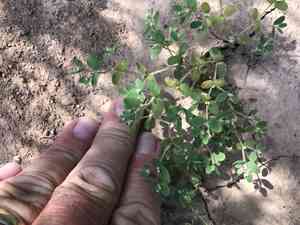
Arizona spurge (Euphorbia arizonica)
Also known as: Arizona Spurge
A plant that fits your description is the saguaro cactus, which is well-adapted to the dry climates of Arizona. This succulent features fleshy, cylindrical stems that can grow quite tall and are typically adorned with small, white flowers in the blooming season. The saguaro is highly drought-resistant, flourishing in full sunlight with very little water, making it perfectly suited to the harsh conditions of the Sonoran Desert.
In This Article
Attributes of Arizona spurge
Lifespan
Perennial
Plant Type
Succulent
Plant Height
10 to 20 cm (4 to 8 inches)
Spread
Not applicable, spreads more through ground cover
Leaf Color
Green
Flower Size
Up to 0.5 cm (0.2 inches)
Flower Color
White or greenish
Images of Arizona spurge
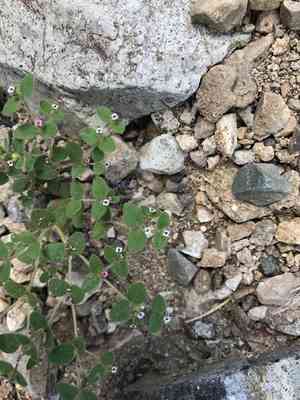
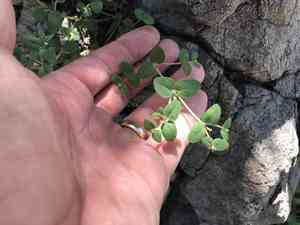
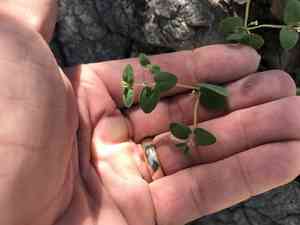
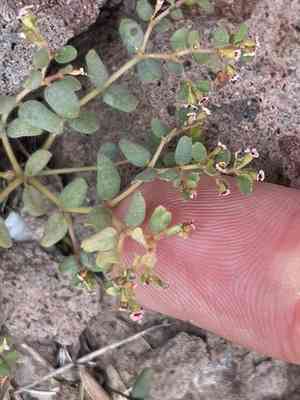
Quickly Identify Arizona spurge
1
Euphorbia arizonica can be identified by its small, elliptical leaves, white or greenish flowers, and milky sap, which is common to all Euphorbia species. Handle with care as the sap can be irritating.
Scientific Classification of Arizona spurge
Phylum
Vascular plants
Class
Dicotyledons
Order
Malpighiales
Family
Spurge
Genus
Spurges
Species
Arizona spurge
Planting and Growing of Arizona spurge
Care Difficulty
Easy
Watering Schedule
Every 2 days
Sunlight Requirements
Full sun
Sunshine Duration
4-8 hours
Ideal Temperature
60-75℉
Soil Type
Potting Mix, Peat Mix
Soil pH
6.5-7.5
Fertilizer Type
Balanced
Pruning Season
Spring, Summer
Pruning Area
Branches, Leaves
Pruning Frequency
2 times a year
Repotting Season
Spring
Pot Type
Plastic, Ceramic
 How to Water Arizona spurge?
Euphorbia arizonica is a succulent plant that thrives with minimal water. It stores water in its tissues, thus needing only about 50 ml per watering. Make sure the soil is dry before adding more water to avoid root rot.
What are the symptoms of an underwatered Arizona spurge?
›
What should I do if my Arizona spurge is not getting enough water?
›
What are the symptoms of an overwatered Arizona spurge?
›
How to save an overwatered Arizona spurge?
›
 What Is the Ideal Temperature Range for Arizona spurge?
The ideal temperature range for Euphorbia arizonica lies between 60°F and 75°F. In this range, the plant can carry out photosynthesis efficiently without being subjected to thermal stress. At these temperatures, growth is optimal, and the plant can maintain a healthy metabolism and structure, promoting vibrant and healthy foliage.
 What Soil is Best for Arizona spurge?
Euphorbia arizonica thrives best in well-draining soils, such as sandy or sandy loam compositions, which prevent water from stagnating at the roots. This enhances root health and reduces the likelihood of root rot, supporting overall plant vitality. As a plant preferring calcareous soil, Euphorbia arizonica benefits from a calcium-rich environment. Calcium stabilizes soil pH and contributes to the structural integrity of the plant's cells, promoting sturdy growth and resilience. Loosely packed, aerated soil encourages ample air circulation around the roots of Euphorbia arizonica. This boosts root respiration and nutrient uptake efficiency, fostering vigorous plant growth and sustaining robust foliage.
 How to Fertilize Arizona spurge?
For Euphorbia arizonica, use a balanced liquid fertilizer diluted to half strength. Apply the liquid fertilizer as a mild solution to avoid over-fertilizing. Typically, 1/4 tablespoon per gallon of water should be sufficient to provide the necessary nutrients without risking fertilizer burn.
 How to Prune Arizona spurge?
Before you start pruning Euphorbia arizonica, make sure to gather all necessary tools, including a pair of sharp pruning shears and gloves. Clean your tools with a disinfectant to prevent spreading any diseases. This preparation step is crucial for the health of the plant. Inspect the Euphorbia arizonica for any dead, diseased, or weak branches. These are the primary targets for removal. By identifying these beforehand, you ensure that the pruning process focuses on improving the plant's health and structure. Remove any crossing or rubbing branches as they can cause wounds and allow diseases to enter. Make clean cuts at a slight angle, just above a node or a healthy side branch. This technique promotes healing and reduces the risk of water accumulating on the cut surface, which can cause rot. Ensure each cut is smooth and sharp to minimize damage to the plant tissue. After pruning, monitor the plant for any signs of stress or infection. Watering the plant and maintaining a consistent moisture level can help it recover more quickly. Additionally, applying a balanced fertilizer can encourage new growth and support the plant's health during its recovery period.
More About Pruning Techniques→
 How to Propagate Arizona spurge plant?
1
Gather seeds from a mature Euphorbia arizonica plant. Clean them to remove any pulp or debris. Soak seeds in warm water for 24 hours to improve germination rates by softening the seed coat.
2
Select a healthy branch and use a sharp knife to take a cutting of about 4-6 inches in length. Make the cut just below a leaf node, as this is where root development will most likely occur.
3
Place seeds or cuttings in a well-draining potting mix. Water lightly to maintain soil moisture but avoid waterlogging. Position the container in a warm area with indirect sunlight to promote growth.
 How to Repot Arizona spurge plant?
1
For Euphorbia arizonica, repotting should be considered when you notice roots growing out of the drainage holes or if the soil seems compacted and waterlogged. Spring and summer are ideal seasons for repotting, as the plant is actively growing and can recover more efficiently. Ensure the plant is healthy overall before proceeding.
2
Select a pot that is one to two inches larger in diameter than the current pot. This supports both new root growth and water drainage. Choose a pot with ample drainage holes to prevent root rot. The right pot size ensures the plant has enough room to expand while maintaining its health.
3
Euphorbia arizonica thrives in well-draining, gritty soil, which mimics its natural desert environment. Use a commercial cactus mix or blend your own with sand, perlite, and potting soil. This soil mix prevents water accumulation around the roots, reducing the risk of rot and encouraging healthy growth.
Toxicity
Ingestion, Skin contact, Eye contact
WARNING
The judgment on toxicity and danger is for reference only. We DO NOT GUARANTEE any accuracy of such judgment. Therefore, you SHALL NOT rely on such judgment. It is IMPORTANT TO SEEK PROFESSIONAL ADVICE in advance when necessary.
Learn More About Arizona spurge Diseases
Anthracnose
Bacterial Leaf Spot
Bacterial Soft Rot
Bacterial Wilt
Black Spot
Chemical Injury
Crown Gall
Cyst Nematode
Damping-off
Downy Mildew
Drought Stress
Fusarium Wilt
Gray Mold
Leaf Curl
Leaf Spot
Mosaic
Nutrient Deficiency
Nutrient Toxicity
Powdery Mildew
Root Rot
Root-knot Nematode
Rusts
Sooty Mold
Spider Mites
Temperature Stress
Thrips Damage
White Mold



