How to Prune Upland boneset?
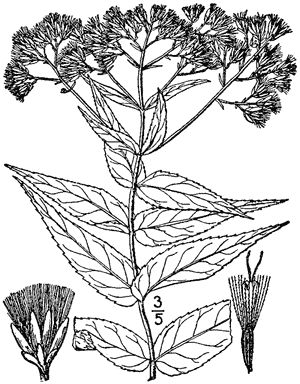
Distinguished by its tendency to form clusters and its autumnal blooming period, upland boneset greatly benefits from strategic trimming to encourage a more compact structure and more robust blossoms. The ideal times for cutting back this perennial are in late spring and early summer, once the danger of freezing temperatures has subsided but prior to the commencement of its most active growth. At these junctures, reduce congested stalks and eliminate any withered or compromised leaves. This trimming technique improves air movement and light exposure, which are vital for the well-being and visual appeal of upland boneset.
What Are the Benefits of Pruning Upland Boneset?
What Are the Benefits of Pruning Upland Boneset?
Trimming upland boneset encourages robust development and maintains its form. Strategic cutting enhances air movement and light exposure, vital for the plant's well-being and density. Regular trimming also prevents excessive growth, improving the plantâs structural soundness.
What Is the Best Time for Pruning Upland Boneset?
What Is the Best Time for Pruning Upland Boneset?
Pruning or trimming upland boneset during Spring and early Summer aligns with the plantâs active growth phase, allowing it to recover quickly and promote healthy new growth. Spring pruning, ideally just as new shoots appear, ensures that the plantâs energy is directed towards the development of strong, vigorous growth, enhancing its structure and health. Early Summer pruning, after the initial spring growth spurt, helps in shaping the plant and managing its size, while still giving it enough time to produce new growth before the dormant season. These seasons avoid the stress that late Summer or Fall pruning could induce as the plant prepares for dormancy.
What Tools Do I Need to Prune Upland Boneset?
Bypass Pruners
Perfect for making clean cuts on upland boneset's stems, bypass pruners minimize damage to plant tissues, fostering healthier regrowth. These are especially suited for thinner stems and can assist in shaping the plant or removing dead foliage.
Gardening Gloves
Crucial for protecting hands from upland boneset's potentially rough or sharp stems during trimming. This tool ensures the gardener's safety and comfort while handling the plant.
Loppers
Useful for reaching deeper or thicker branches that bypass pruners cannot handle efficiently. Loppers provide greater leverage and can cut thicker stems of upland boneset, making them a versatile tool for managing the shape and health of the plant.
How to Prune Upland Boneset
Identify
Inspect upland boneset for any indications of diseased leaves and stems. Look for discolored, spotted, or distorted foliage and any stems that appear unhealthy or show signs of infection.
Sanitize
Before beginning to prune upland boneset, ensure all pruning tools are disinfected. Clean your shears or clippers with a bleach or alcohol solution to prevent disease spread.
Remove leaves
Carefully remove all diseased leaves from upland boneset by cutting them at their base where they meet the stem. Avoid tearing leaves as this can cause additional plant stress.
Trim stems
Cut back diseased stems on upland boneset by trimming them down to the plant's base or to where healthy tissue begins. Make clean, angled cuts to promote better healing and water runoff.
Withered leaves
Remove any withered or dead leaves from upland boneset to enhance its appearance and prevent them from becoming a breeding ground for pests and diseases. This aids in promoting healthier growth and air circulation around the plant.
Common Pruning Mistakes with Upland Boneset
Excessive Pruning
A frequent error is removing too much foliage from upland boneset, which can stress the plant and hinder its growth. Removing over one-third of the plant during a single pruning session can be harmful.
Improper Cutting Techniques
Using dull or dirty pruning tools can result in jagged cuts that heal poorly, making upland boneset vulnerable to diseases. Clean, sharp cuts are essential for healthy pruning.
Pruning at the Wrong Time
Avoid pruning upland boneset immediately after new growth emerges. This can lead to a reduction in the plant's vigor and flowering potential.
Common Pruning Tips for Upland Boneset
Selective Pruning
Focus on removing only the unhealthy or overgrown parts of upland boneset to maintain plant health and aesthetics. This targeted approach encourages more robust growth and flowering.
Encourage Bushiness
Pinch back the tips of upland boneset during the early growth stage to promote a bushier appearance and enhance flowering. This technique invigorates new growth from the base and sides.
Maintain Plant Structure
Regularly check and clear out dead or weak stems to maintain the structural integrity of upland boneset. This helps in enhancing light penetration and air circulation, crucial for the plant's health.



