The Upland boneset Plant Advantage: Maximizing Home and Office Appeal and Wellness
1
This species flourishes in permeable ground and expansive environments.
2
It draws in numerous pollinators, such as bees and butterflies.
3
The plant's leaves are prized for their decorative appeal in horticultural settings.
What Makes Upland boneset Unique?
Ornamental Appeal
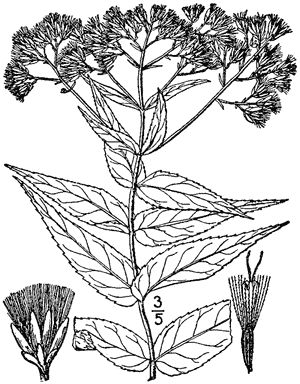
Upland boneset is highly valued for its striking foliage and clusters of small white blossoms. Its upright growth and loosely branched form make it an attractive addition to any garden. The plant's leaves are typically sessile, meaning they attach directly to the stem without a petiole, adding a unique textural element.
Wildlife Attraction
One of the notable advantages of Upland boneset is its capacity to draw in a diverse array of pollinators. Bees, butterflies, and other beneficial insects are attracted to its flowers, which in turn promotes pollination for other plants in your garden. This enhances overall biodiversity and can lead to a more resilient garden ecosystem.
How to Cultivate Upland boneset Successfully?
Ideal Growing Conditions
Upland boneset thrives best in well-drained soils and enjoys full to partial sunlight. It is well-suited for a variety of soil types, including sandy and loamy soils, making it a versatile choice for different garden settings. The plant is also drought-tolerant once established, reducing the need for frequent watering.
Planting Techniques
To plant Upland boneset, choose a location that receives ample sunlight and has good air circulation. Planting in early spring or fall is ideal, allowing the plant time to establish roots before the onset of extreme temperatures. Space the plants about 12 to 18 inches apart to give them room to grow and prevent overcrowding, which can lead to disease.
How Does Upland boneset Benefit Local Ecosystems?
Contribution to Biodiversity
Upland boneset plays a crucial role in maintaining biodiversity within its native range. By providing nectar and pollen, it supports various pollinators, which are essential for the reproduction of many flowering plants. Additionally, the plant serves as a host for certain butterfly larvae, offering both food and habitat.
Erosion Control
The deep root system of Upland boneset helps in stabilizing soil, making it an excellent plant for controlling erosion. This is particularly beneficial in areas prone to soil degradation, such as slopes and newly landscaped regions. By planting Upland boneset, you can help maintain soil structure and prevent loss caused by wind and water erosion.
What Are the Garden Design Uses of Upland boneset?
Creating Naturalistic Gardens
Upland boneset is perfect for naturalistic garden designs, where it can be planted alongside other native species to create a harmonious and ecologically friendly landscape. Its height and form make it an excellent backdrop or filler plant in mixed borders and wildflower meadows.
Combining with Other Plants
For a visually appealing garden, Upland boneset can be paired with other perennials like coneflowers, black-eyed Susans, and goldenrods. These combinations not only look beautiful but also enhance the gardenâs ecological value by providing a diverse array of resources for wildlife.
How to Care for Upland boneset Year-Round?
Seasonal Maintenance
Regular maintenance of Upland boneset includes deadheading spent flowers to encourage continued blooming and prevent self-seeding. In late fall, cut back the stems to ground level to prepare the plant for winter. Mulching around the base can help protect the roots during colder months.
Pest and Disease Management
Upland boneset is generally resistant to pests and diseases, but itâs still important to monitor for common issues such as powdery mildew or aphids. Ensuring good air circulation and avoiding overhead watering can help minimize these problems. If pest issues arise, use natural remedies like neem oil or insecticidal soap.



