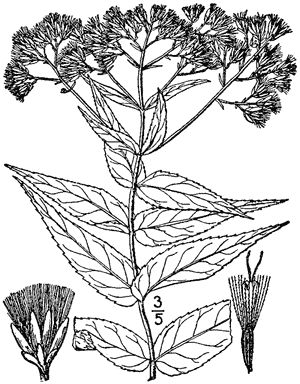
Upland boneset (Eupatorium sessilifolium)
Also known as: Upland Boneset
Eupatorium sessilifolium is a perennial herb that typically grows stems reaching over 1 meter in height. These stems emerge from a woody underground base or short rhizome. The upper portions of the stems, which branch out toward the flower heads, are covered with short hairs, whereas the lower sections are smooth and hairless. The leaves are oppositely arranged and have toothed edges.
In This Article
Attributes of Upland boneset
Lifespan
Perennial
Plant Type
Herb
Plant Height
91 cm to 1.8 m
Spread
N/A
Leaf Color
Green
Flower Size
0.25 inches
Flower Color
White Pink
Images of Upland boneset
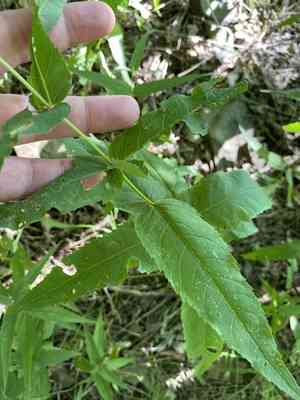
Quickly Identify Upland boneset
1
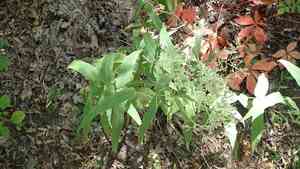
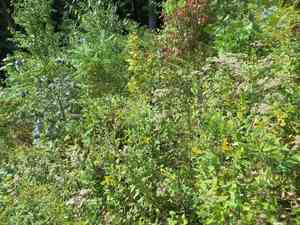
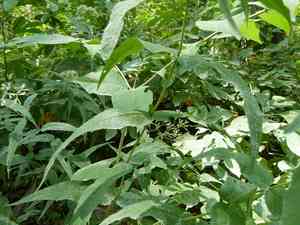
Look for a plant with sessile (stem-less) leaves that are lance-shaped and positioned oppositely on the stem. The leaves have a rough texture and are serrated at the margins. Flowers are small, white, and grouped in clusters at the top of the plant.
Scientific Classification of Upland boneset
Phylum
Vascular plants
Class
Dicotyledons
Order
Asterales
Family
Daisy
Genus
Bonesets
Species
Upland boneset
Planting and Growing of Upland boneset
Care Difficulty
Easy
Watering Schedule
Every 3 days
Sunlight Requirements
Partial sun
Sunshine Duration
4-6 hours
Ideal Temperature
60-75℉
Soil Type
Potting Mix, Peat Mix
Soil pH
6.5-7.5
Fertilizer Type
Balanced
Pruning Season
Spring, Summer
Pruning Area
Branches, Leaves
Pruning Frequency
2 times a year
Repotting Season
Spring
Pot Type
Plastic, Ceramic
 How to Water Upland boneset?
Eupatorium sessilifolium prefers consistent moisture but not waterlogged soil. Water until the top 2-3 inches of soil feel moist. It's crucial to allow the soil surface to dry slightly between waterings to mimic its natural environment.
What are the symptoms of an underwatered Upland boneset?
›
What should I do if my Upland boneset is not getting enough water?
›
What are the symptoms of an overwatered Upland boneset?
›
How to save an overwatered Upland boneset?
›
 What Are the Sunlight Requirements for Upland boneset?
Partial sun or full shade is ideal for Eupatorium sessilifolium, fostering healthy growth and preventing stress. This environment is optimal for maximized photosynthesis and vibrant foliage.
What is the best lighting setup for Eupatorium sessilifolium?
›
How can I adjust the lighting to suit this plant?
›
What benefits does ideal lighting offer this plant?
›
 What Is the Ideal Temperature Range for Upland boneset?
The ideal temperature range for cultivating Eupatorium sessilifolium is between 60°F and 75°F. This range allows for optimal growth and ensures the plant can perform necessary physiological functions efficiently. Maintaining these temperatures is crucial to fostering healthy foliage and encouraging blooming.
 What Soil is Best for Upland boneset?
Eupatorium sessilifolium thrives in well-drained soil because it prevents root rot and aids in the proper absorption of nutrients. Ensuring good drainage mimics the plant's natural habitat and promotes healthy growth. While drainage is crucial, the soil should also retain some moisture to support Eupatorium sessilifolium's lush growth. This balance helps maintain the plant's hydration, leading to vibrant foliage and robust flowering. A soil rich in organic matter such as compost or peat will provide the nutrients needed for Eupatorium sessilifolium to flourish. Enhancing soil fertility boosts plant health and ensures sustained blooming.
 How to Fertilize Upland boneset?
Eupatorium sessilifolium, the upland boneset, thrives best in well-fertilized conditions. For liquid fertilizer, use a diluted solution (half-strength) to avoid overwhelming the plant. Typically, apply about ½ to 1 teaspoon of balanced liquid fertilizer per gallon of water. For slow-release fertilizers, follow the label instructions for perennials, often around 1 to 2 tablespoons per square foot of soil.
 How to Prune Upland boneset?
Begin by examining the overall structure of Eupatorium sessilifolium. Identify any dead, diseased, or damaged stems. These should be the first to go, cut back to their base to encourage new growth. To improve air circulation and sunlight penetration, thin out crowded stems. Selectively prune older, less productive stems at the base to make way for new ones. This will help in reducing the risk of fungal diseases by allowing air to flow freely through the plant. Shape the plant to your desired form by trimming back stems that are growing out of bounds. This will encourage a more compact form and can enhance the aesthetic appearance of your plant. Make angled cuts just above a leaf node to support healthy new growth.
More About Pruning Techniques→
 How to Propagate Upland boneset plant?
1
Gather seeds from mature Eupatorium sessilifolium plants. Make sure the seeds are dry and free from any mold. Store them in a cool, dry place until you are ready to plant.
2
Cut 4-6 inch sections from a healthy parent plant just below a leaf node. Remove the lower leaves and allow the cut end to dry for a few hours before planting in moist soil.
3
Carefully dig around the base of the plant and lift the clump. Split the clump into smaller sections, ensuring each has roots and some top growth. Replant immediately at the same depth as before.
 How to Repot Upland boneset plant?
1
Eupatorium sessilifolium displays signs that it's ready for repotting when its roots start emerging from the drainage holes, or when the soil has become compacted and drains poorly. Spring is ideal as the plant begins its growth cycle, making it the perfect time to provide fresh nutrients and space.
2
Opt for a pot that's about one size larger than the current one. This ensures adequate space for root growth without overwhelming the plant with too much additional soil that may retain excess moisture. A pot with proper drainage holes is crucial to prevent root rot, promoting healthy growth and aeration.
3
A well-draining, loamy soil mix is best for Eupatorium sessilifolium. This type of soil prevents waterlogging by allowing the water to flow through freely while retaining enough moisture for the roots. The benefits are twofold: preventing root rot while supplying adequate nutrients for a flourishing plant.
Learn More About Upland boneset Diseases
Anthracnose
Bacterial Leaf Spot
Bacterial Wilt
Crown Gall
Cyst Nematode
Damping-off
Downy Mildew
Drought Stress
Fusarium Wilt
Gray Mold
Leaf Spot
Mosaic
Nutrient Deficiency
Nutrient Toxicity
Powdery Mildew
Root Rot
Root-knot Nematode
Rusts
Sooty Mold
Spider Mites
Temperature Stress
Thrips Damage
White Mold



