How to Prune Corktree?
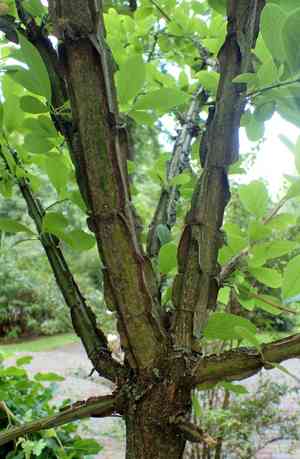
Recognized for its distinctive cork-like ridges on its limbs, the corktree thrives with pruning conducted in late winter or early spring. This timing aligns with its dormant phase and precedes the appearance of new shoots. The pruning process entails excising dead or ailing wood, reducing the density of congested branches to facilitate light infiltration and improved air movement, and sculpting for visual appeal. Consistent trimming boosts the corktree's well-being and robustness, encourages a richer leaf canopy, and deters ailments by optimizing ventilation throughout its crown.
Advantages of Trimming Corktree
Advantages of Trimming Corktree
Trimming corktree encourages robust development and maintains its desired form. Deliberate cuts can redirect energy to strong branches, boosting the plant's vitality and aesthetic appeal. Regular trimming is essential to control corktree's growth and prevent excessive spread, ensuring a balanced structure and sustained vigor.
Optimal Time for Trimming Corktree
Optimal Time for Trimming Corktree
Trimming or cutting corktree during late winter or early spring is ideal as it coincides with the plant's dormant phase, just before new growth begins. This timing minimizes stress on corktree, allowing it to recover quickly and channel its energy into producing strong, healthy shoots. Late winter trimming reduces the risk of disease and pest infestation, as many pathogens and pests are less active. Early spring trimming is perfect for removing any winter-damaged branches, ensuring that corktree's energy is not wasted on supporting them. This period also prevents cutting off developing flower buds, ensuring corktree can proceed with its flowering and fruiting cycle without interruption.
Necessary Tools for Trimming Corktree
Hand Pruners
For corktree, sharp bypass hand pruners are perfect for cutting small stems and twigs. This tool enables precise cuts that promote healthy regrowth.
Loppers
For branches too thick for hand pruners, loppers with a bypass cutting mechanism are recommended. Their long handles provide the necessary leverage for clean cuts without harming corktree.
Pruning Saw
If corktree has mature branches that are too large for loppers, a pruning saw is indispensable. This tool provides the power needed to cut larger branches, ensuring a smooth cut that aids in proper wound healing.
Hedge Shears
If shaping is needed for corktree, hedge shears are suitable for trimming and shaping the outer foliage to maintain an attractive form without damaging the plant's structure.
How to Trim Corktree
Clean
Before starting, clean and sanitize pruning tools to prevent disease spread. Use a solution of 1 part bleach to 9 parts water or rubbing alcohol to wipe down shear and saw blades.
Diseased leaves
Start by removing any diseased leaves from corktree. Cut back the leaf stem to its base using sharp, sterilized pruning shears, being careful not to tear or damage the healthy tissue around the infection.
Withered leaves
Identify and trim away withered leaves on corktree. Remove these leaves by cutting at the stem's base, being cautious not to harm healthy growth. Dispose of these leaves to prevent potential fungal growth.
Dead branches
Remove dead branches by cutting them back to the point of healthy, living tissue. Use pruning saws for thicker branches and make cuts at a slight angle to encourage water runoff and prevent rot.
Diseased branches
Trim diseased branches on corktree, cutting several inches into the healthy tissue beyond the affected area. This ensures all infected material is removed. Seal larger cuts to protect against pests and diseases.
Common Trimming Errors with Corktree
Excessive trimming
Removing too much foliage can stress corktree, leading to stunted growth or reduced vigor.
Incorrect cut placement
Making cuts too far from a bud can result in dieback, while too close can damage the bud itself.
Using dull tools
Dull pruning tools can cause ragged cuts that heal slowly, making corktree vulnerable to diseases.
Trimming without a plan
Corktree benefits from strategic cuts made with a clear objective, such as shaping or removing dead wood. Random cuts can harm the plant's structure.
General Trimming Advice for Corktree
Sharp tools
Use sharp, clean pruning shears to make precise cuts that corktree can heal from more effectively.
Cleaning tools
Clean tools before use to prevent the spread of diseases to corktree.
Making angled cuts
Trim corktree with angled cuts above a bud to promote proper water runoff and prevent rot.
Thinning interior
Thin out the interior branches to improve air circulation within corktree, which can reduce the risk of fungal infections.
Maintaining shape
Trim corktree to maintain its natural shape rather than forcing it into an unnatural form, which can promote healthy growth and flowering.
Removing dead material
Regularly remove dead, diseased, or broken branches from corktree to maintain its health and appearance.



