How to Propagate Corktree?
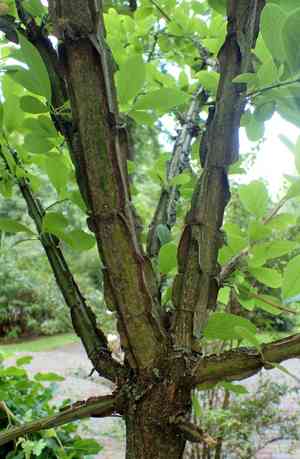
Corktree flourishes when reproduced via cuttings, a technique aligning with its developmental patterns. For effective root development, select robust, established stems and employ a porous rooting substrate. Sustaining a moist atmosphere assists in more rapid root formation, which improves the plant's general development and integration into its new surroundings.
Optimal Time for Corktree Propagation
Propagation Method
Cutting
Propagation Period
Autumn,Winter
Tools Required for Corktree Propagation
Sharp pruning shears
These shears are vital for making clean, precise cuts when propagating corktree via cuttings. Their sharp blades prevent damage to the parent plant and ensure a neat cut on the stem, which is crucial for new root development. Accurate cuts promote quicker healing and reduce infection risk.
Rooting hormone
Rooting hormone is applied to the cut end of corktree's stem to stimulate root growth and boost propagation success. It encourages root cell formation at the cutting site, essential for corktree, which might otherwise struggle to establish a strong root system quickly. This substance aids corktree's adaptation to a new environment.
Propagation tray
This item offers an organized, controlled setting for the rooting process. A propagation tray allows for efficient space management and maintains proper moisture levels, conditions necessary for corktree cuttings to root. Trays often include a clear dome or cover to retain humidity, keeping corktree hydrated, which benefits root development.
Sterilizing agent
Using a sterilizing agent like alcohol or bleach solution is critical for cleaning pruning shears before and after taking corktree cuttings. Sterilization prevents disease transfer between plants, a vital step in maintaining the health of both the parent plant and new propagates.
Moist perlite or vermiculite
These materials serve as rooting mediums for corktree cuttings due to their excellent aeration and moisture retention. They create an ideal environment for root growth without excessive wetness, which is particularly beneficial for corktree, helping prevent root rot and fostering strong new root development.
Corktree Propagation Difficulty
Propagation Type
Moderately Difficult
Post-Propagation Care for Your Corktree
How to Care for Your Newly Propagated Corktree?
Once roots are established, gradually introduce corktree to less humid conditions by removing the plastic cover or opening propagator vents over a week. Transplant into a larger pot or a permanent outdoor spot with well-draining soil. Water consistently to keep soil moist but not waterlogged, and apply a balanced, slow-release fertilizer to support growth. Shield from extreme temperatures and direct sunlight during initial growth.
Common Errors to Avoid When Propagating Corktree
Overwatering
Excessive moisture can lead to root rot and fungal infections, significantly impeding root development and overall plant health in corktree.
Incorrect Soil Mix
Using a poorly draining soil mix can cause water retention and suffocation of roots, hindering the growth of corktree.
Cutting Size
Taking cuttings that are too small or too large can impact rooting efficiency. Small cuttings may lack sufficient energy reserves, while large ones might be too demanding to sustain.
Neglecting Sanitation
Using unsterilized tools or contaminated propagation mediums can introduce pathogens, jeopardizing the health of corktree cuttings.
Advice for Propagating Corktree
Adequate Moisture Balance
Ensure the soil is moist but well-drained to support corktree rooting without causing waterlogged conditions.
Choose Healthy Mother Plant
Selecting a robust and disease-free mother plant for cuttings or seeds significantly improves the success rate of corktree propagation.
Use Right Soil Mix
Employ a light, airy soil mix, such as one part peat to one part perlite, to promote effective root growth and adequate air circulation for corktree.
Proper Cutting Technique
Ensure cuttings are taken at an appropriate length, typically 4-6 inches, with clean cuts just below a node to maximize corktree's rooting potential.
Sanitation Practices
Sterilize all tools and containers before use to prevent disease spread and ensure a clean start for corktree propagation.



