The Corktree Plant Advantage: Maximizing Home and Office Appeal and Wellness
1
The Corktree is prized for its appealing decorative qualities, making it a favored selection for gardens.
2
This plant provides superb environmental support for native fauna, such as avian species and arthropods.
3
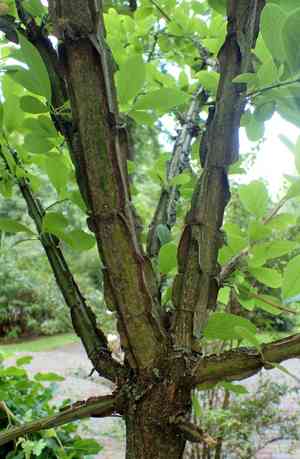
Its distinctive, cork-like bark is highly regarded, contributing tactile and visual appeal to outdoor spaces.
What Makes Corktree Unique?
Ornamental Appeal
Corktree is widely admired for its decorative charm. Its distinctively textured bark offers visual interest, making it a prominent feature in any garden. The plant's leaves display vibrant hues in autumn, creating a lively spectacle that enhances your landscape's beauty.
Habitat Support
Corktree plays a vital role in sustaining local wildlife. Its thick foliage provides excellent nesting locations for birds, while its blossoms attract pollinators like bees and butterflies. By including Corktree in your garden, you're offering valuable resources for these creatures.
How to Cultivate Corktree in Your Garden
Ideal Growing Conditions
Corktree thrives in well-draining soil and prefers partial to full sunlight. It adapts to various soil types, making it an excellent choice for diverse garden environments. Consistent watering and occasional fertilization can help the plant reach its full potential.
Planting and Care Tips
To plant Corktree, dig a hole twice the size of the root ball and place the plant at the same depth it was in its nursery container. Water thoroughly after planting and apply a layer of mulch to retain moisture. Pruning in late winter can help maintain its shape and encourage healthy growth.
The Ecological Benefits of Corktree
Soil Erosion Control
Corktree is beneficial for soil erosion control due to its extensive root system, which stabilizes the soil and reduces runoff. This makes it an excellent choice for areas prone to erosion, such as slopes or riverbanks.
Carbon Sequestration
Corktree contributes to carbon sequestration by absorbing carbon dioxide during photosynthesis. This process helps mitigate the effects of climate change, making Corktree a valuable addition to environmentally conscious landscapes.
Why Choose Corktree for Your Garden?
Low Maintenance
Corktree is a low-maintenance plant, requiring minimal pruning and care once established. Its resilience to pests and diseases means you can enjoy its benefits with little intervention, making it perfect for busy gardeners.
Aesthetic Versatility
Corktree can be used in various garden styles, from formal hedges to naturalistic plantings. Its unique features make it versatile, whether you're looking to create a focal point or integrate it into a mixed border. Its adaptability ensures it can enhance any garden design.
How Does Corktree Support Biodiversity?
Attracting Pollinators
Corktree's flowers are a magnet for pollinators such as bees, butterflies, and other beneficial insects. These creatures are crucial for the pollination of many crops and plants, contributing to overall biodiversity.
Providing Shelter
The dense foliage of Corktree offers shelter and nesting opportunities for a variety of bird species. By planting Corktree in your garden, you're helping to create a supportive environment for these animals, enhancing local biodiversity and enriching your outdoor space.



