How to Prune Hamilton's spindletree?
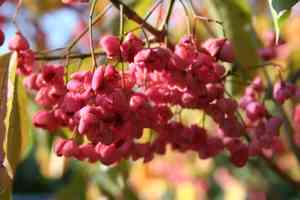
This deciduous woody plant, whether a shrub or a small tree, is recognized for its vibrant fall leaves and decorative berries. Successful pruning strategies for hamilton's spindletree involve reducing dense branches, eliminating deceased or ailing wood, and sculpting for visual attractiveness. The ideal time for pruning is from late winter to early spring, prior to the emergence of new shoots. Pruning at this juncture encourages robust development, sustains an appealing structure, and boosts its capacity for blossoms and fruit. It is crucial to execute precise cuts and refrain from over-trimming to uphold the plant's inherent contour.
Advantages of Trimming Hamilton's Spindletree
Advantages of Trimming Hamilton's Spindletree
Trimming hamilton's spindletree promotes robust development and maintains its desired shape. Strategic cuts can stimulate new, healthy branches and foster a well-structured form, optimizing the plant's vigor and visual appeal.
Optimal Period for Pruning Hamilton's Spindletree
Optimal Period for Pruning Hamilton's Spindletree
The best times for pruning hamilton's spindletree are late winter and early spring. This timing is beneficial because hamilton's spindletree is dormant in late winter, making it less vulnerable to pruning stress. Pruning at this stage also prevents sap loss, which is more active during the growth phase. By early spring, before new growth begins, trimming helps shape the plant and remove any dead or damaged wood, encouraging healthy new growth. Furthermore, since hamilton's spindletree flowers on new wood, pruning during late winter or early spring allows the plant to direct energy into producing a strong bloom and fruit set in the subsequent growing season.
Tools Required for Pruning Hamilton's Spindletree
Hand Pruners
Perfect for making precise cuts on young or slender branches, typically up to 0.75 inches in diameter, which encourages healthy growth in hamilton's spindletree.
Loppers
Useful for cutting thicker branches, generally up to 2 inches in diameter. The long handles provide leverage, making it easier to prune hamilton's spindletree's denser growth without strain.
Pruning Saw
Essential for removing branches over 2 inches in diameter. A pruning saw helps manage large limbs of hamilton's spindletree efficiently, ensuring clean cuts that heal properly.
Hedge Shears
Effective for shaping hamilton's spindletree when creating hedges or formal designs. They provide a neat, even finish to the foliage.
Pole Pruner
Helpful for reaching higher branches without needing a ladder, making the pruning of hamilton's spindletree safer and more convenient for taller specimens.
How to Prune Hamilton's Spindletree
Identify
Examine hamilton's spindletree for dead or diseased branches. Look for any limbs that are brown, brittle, or show visible signs of fungal infection or pest damage.
Disinfect
Before cutting, sanitize pruning tools with a solution of 1 part bleach to 9 parts water or use alcohol wipes to prevent disease spread.
Cut Dead Branches
Using sharp, clean pruning shears or a saw, cut dead branches at a point just outside the branch collar. The branch collar is the swelling where the branch meets the trunk or a larger branch.
Cut Diseased Branches
Prune diseased branches by cutting well below the affected area to ensure all parts of the disease are removed. Make sure not to cut into the branch collar or healthy tissue.
Clean Up
After pruning hamilton's spindletree, collect and dispose of all removed branches to prevent any spread of disease or pests. Clean the tools again before storing them.
Common Pruning Errors with Hamilton's Spindletree
Overpruning
A common error is removing too much foliage, which can weaken hamilton's spindletree and reduce its ability to photosynthesize. It's crucial to take a conservative approach, typically removing no more than one-third of the growth.
Improper Cut Location
Cuts that are too far from a bud or branch node can result in unsightly stubs or dieback. Conversely, cuts that are too close can damage the growth nodes, hindering regrowth.
Using Dull Tools
Another mistake is using dull or unclean pruning tools, which can create jagged cuts that are more susceptible to disease and pest infestation.
Neglecting To Thin
Failing to thin out the interior branches can lead to poor air circulation and light penetration within the canopy, which can affect the overall health and flowering of hamilton's spindletree.
Pruning Wounded Wood
Cutting into wounded or diseased wood without sterilizing the tools afterwards can spread pathogens to healthy parts of hamilton's spindletree.
Random Cuts
Random, non-selective cuts can result in an unbalanced structure and may inhibit the natural shape and beauty of hamilton's spindletree.
General Pruning Advice for Hamilton's Spindletree
Selective Pruning
Focus on selective pruning to shape hamilton's spindletree and remove any dead, diseased, or crossing branches. This encourages a strong, well-balanced framework.
Angle Of Cuts
Make cuts at a 45-degree angle, just above outward-facing buds or branches. This direction promotes water runoff and encourages growth away from the center of hamilton's spindletree.
Clean Tools
Ensure pruning tools are sharp and clean before starting. Sterilize them with alcohol or a 10% bleach solution between cuts, especially when removing diseased material.
Thin Interior
Thin the interior canopy to enhance air circulation and light penetration, which is especially important for promoting healthy growth and flowering.
Prune For Structure
Focus on creating a strong central leader and evenly spaced lateral branches to support the structure and health of hamilton's spindletree.
Care With Wounded Wood
Carefully inspect for and remove any wounded wood, sterilizing tools afterwards to prevent the spread of disease.



