Enhancing Your Garden Design with the Hamilton's spindletree Plant: A Landscaping Guide
1
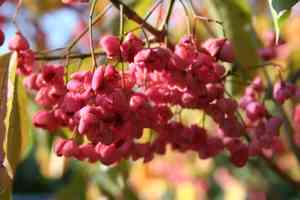
Hamilton's spindletree provides remarkable visual charm through its vivid hues.
2
Hamilton's spindletree readily adjusts to diverse soil conditions and weather patterns.
3
Thoughtful positioning of Hamilton's spindletree can boost seclusion and aesthetic appeal in your outdoor space.
Why Select Hamilton's Spindletree for Your Outdoor Space?
Examine the visual appeal of Hamilton's spindletree
Hamilton's spindletree offers a captivating addition to any landscape due to its vivid and colorful leaves. The foliage of Hamilton's spindletree can vary from deep green to brilliant reds and pinks, making it a visually striking plant year-round. Its distinct look can serve as an excellent focal point in your garden, drawing attention and adding a touch of vibrancy. Whether you are designing a traditional or contemporary garden, Hamilton's spindletree can seamlessly integrate or stand out, depending on your aesthetic preferences.
Emphasize its adaptability and growth characteristics
A notable attribute of Hamilton's spindletree is its versatility. This plant flourishes in various soil types, including sandy, loamy, and clay, making it adaptable and easy to cultivate in diverse garden environments. Furthermore, Hamilton's spindletree can withstand a range of climatic conditions, from full sun to partial shade, showcasing its resilience and ease of care. Whether you are an experienced gardener or a novice, the adaptability of Hamilton's spindletree makes it a low-maintenance choice for any landscape.
Note its seasonal color changes
Hamilton's spindletree is renowned for its impressive seasonal color shifts, making it a dynamic presence in your garden throughout the year. In spring and summer, Hamilton's spindletree displays lush green foliage that can transform into vibrant shades of red, orange, and pink during the autumn months. This seasonal metamorphosis not only adds visual interest but also ensures that your garden remains lively and colorful across different seasons, enhancing its overall aesthetic appeal.
Designing with Hamilton's Spindletree: Strategic Placement Concepts
Utilize Hamilton's spindletree as a central feature in garden layouts
Establishing a focal point in your garden using Hamilton's spindletree can significantly elevate the visual charm of your outdoor area. By positioning Hamilton's spindletree at a central or prominent spot, you can guide the eye and create a sense of structure and equilibrium in your garden design. Its distinctive appearance and vibrant hues make Hamilton's spindletree an ideal candidate for a statement piece, forming the core around which other garden elements can be arranged.
Integrate Hamilton's spindletree into privacy screens and boundaries
If you aim to enhance privacy in your garden, Hamilton's spindletree can be an excellent option for creating natural screens and borders. Planting Hamilton's spindletree along the perimeter or around seating areas can provide a lush and visually appealing barrier that also obstructs undesirable views. Its dense foliage and ability to grow tall contribute to forming effective privacy barriers while adding beauty and texture to the landscape.
Combine Hamilton's spindletree with other plants for rich textural contrast
Pairing Hamilton's spindletree with other plants can create a rich and varied textural contrast in your garden. Combining it with plants that possess different leaf shapes, sizes, and colors can enhance the overall visual complexity and interest of the landscape. For instance, juxtaposing the bold and vibrant foliage of Hamilton's spindletree with softer and more subdued plants can create a harmonious and balanced garden design that captivates the eye.
Climate and Soil Requirements for Hamilton's Spindletree
Describe optimal climate conditions for Hamilton's spindletree
Hamilton's spindletree thrives best in temperate climates where it can receive ample sunlight and mild to moderate temperatures. While it can endure a range of conditions, optimal growth is observed in areas with well-distributed rainfall and protection from extreme cold. Ensuring that Hamilton's spindletree is planted in an environment that mimics its natural habitat will promote healthy growth and robust seasonal changes.
Outline preferred soil types and conditions
To successfully cultivate Hamilton's spindletree, it's important to plant it in well-draining soil with moderate fertility. While Hamilton's spindletree can adapt to sandy, loamy, and clay soils, ensuring the soil is rich in organic matter can improve its growth and vibrancy. Additionally, maintaining a slightly acidic to neutral pH level will support optimal nutrient absorption and sustained health. Regular soil maintenance and amending with compost can further enhance the soil quality for Hamilton's spindletree.
Seasonal Care Advice for Hamilton's Spindletree in Landscapes
Spring and summer care essentials
During spring and summer, Hamilton's spindletree requires consistent watering to maintain its lush foliage and vigorous growth. It's crucial to keep the soil moist without waterlogging, ensuring that the roots have sufficient access to water. Additionally, applying a balanced fertilizer in early spring can encourage healthy growth throughout the season. Regular pruning is also recommended to shape the plant and remove any dead or damaged branches, promoting new growth and maintaining a tidy appearance.
Autumn and winter activities for peak health
In autumn, focus on preparing Hamilton's spindletree for the colder months by reducing watering frequency and applying a layer of mulch to insulate the roots against low temperatures. This period is also ideal for pruning to remove any spent foliage and shape the plant for the winter season. During winter, ensure that Hamilton's spindletree is shielded from harsh winds and frost by providing a physical barrier or moving potted plants to protected areas. Minimizing disturbance and maintaining a consistent care routine will help Hamilton's spindletree flourish through the colder months.
Innovative Uses of Hamilton's Spindletree in Contemporary Gardening
Creative methods to integrate Hamilton's spindletree in urban environments
Hamilton's spindletree can be innovatively incorporated into urban gardening spaces, such as rooftop gardens, balconies, or small city yards. Its compact growth habit and striking appearance make it an excellent choice for container gardening, allowing city dwellers to enjoy its beauty without needing large garden areas. Additionally, utilizing vertical gardening techniques can showcase Hamilton's spindletree while maximizing limited space, transforming urban environments into green and vibrant areas.
Employing Hamilton's spindletree in sustainable and eco-friendly landscape designs
Integrating Hamilton's spindletree into sustainable and eco-friendly landscape designs can contribute to an environmentally conscious gardening approach. Hamilton's spindletree's low maintenance and adaptability make it suitable for xeriscaping, reducing the need for excessive watering and chemical fertilizers. Furthermore, planting Hamilton's spindletree alongside native species can promote biodiversity and create a more resilient ecosystem. Utilizing Hamilton's spindletree in sustainable garden designs not only enhances aesthetic appeal but also supports environmental conservation efforts.



