The Hamilton's spindletree Plant Advantage: Maximizing Home and Office Appeal and Wellness
1
Hamilton's spindletree brings vivid hues to your outdoor space through its impressive fall leaves.
2
This particular plant offers crucial shelter and sustenance for local fauna.
3
Incorporating Hamilton's spindletree into your yard can boost your home's visual appeal.
Why is Hamilton's spindletree a Great Addition to Your Garden?
Visual Appeal
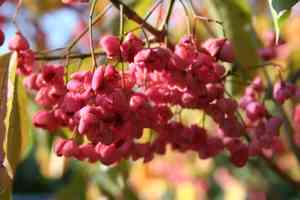
Hamilton's spindletree is known for its striking looks, especially in autumn when its leaves turn vibrant reds, oranges, and pinks. This makes it ideal for gardeners wanting to add vivid color to their landscape. Beyond its fall beauty, the plant has an elegant form and lovely spring blooms, enhancing its year-round decorative value.
Wildlife Support
A key ecological benefit of Hamilton's spindletree is its role in aiding wildlife. Its berries are a crucial food source for various bird species, and its dense branches offer shelter and nesting sites. By including this plant in your garden, you help sustain local wildlife and boost biodiversity.
Easy Care Needs
Gardening can be relaxing, and it's even better with plants that don't require much attention. Hamilton's spindletree is a robust species that adapts well to different soil types and climates. Its resistance to pests and diseases also means less maintenance, letting you enjoy a beautiful garden with minimal effort.
How Can Hamilton's spindletree Boost Your Property's Value?
Landscape Adaptability
Hamilton's spindletree offers significant flexibility in landscaping. It can serve as a focal point, part of a hedge, or in mixed borders with other shrubs and perennials. This versatility makes it an invaluable asset for both amateur and professional landscapers aiming to create dynamic and attractive garden designs.
Property Attractiveness
A well-kept garden greatly enhances curb appeal, and adding Hamilton's spindletree with its stunning seasonal colors can make your property stand out. Whether you plan to sell your home or simply wish to impress your neighbors, a garden full of vibrant plants like Hamilton's spindletree can leave a lasting impression.
Does Growing Hamilton's spindletree Offer Environmental Benefits?
Soil Improvement
Hamilton's spindletree helps improve soil health. Its roots prevent erosion, and fallen leaves decompose to enrich the soil with organic matter. This natural process boosts soil fertility, creating a healthier environment for other garden plants.
Lowering Carbon Footprint
Plants are vital for absorbing carbon dioxide from the atmosphere. By planting Hamilton's spindletree in your garden, you help reduce your carbon footprint. The plant takes in carbon dioxide and releases oxygen, essential for life. This small action can have a significant positive environmental impact.
What Are the Best Ways to Plant and Care for Hamilton's spindletree?
Optimal Planting Conditions
For Hamilton's spindletree to thrive, plant it in well-drained soil with a pH of 6.0 to 7.5. It prefers sunny or partly shaded spots. Early spring or late fall are the best times for planting, allowing roots to establish before extreme weather.
Watering and Trimming
While Hamilton's spindletree is fairly drought-tolerant once mature, regular watering is crucial, especially during dry periods in its first few years. Pruning should occur in late winter to early spring to maintain its shape and encourage healthy growth. Remove any dead or diseased branches to keep the plant vigorous.
Can Hamilton's spindletree Be Used in Eco-Friendly Gardening?
Companion Planting
Hamilton's spindletree pairs well with various companion plants. Combine it with native perennials and grasses to create a balanced garden ecosystem. This practice not only beautifies your garden but also supports beneficial insects and minimizes pest issues without chemical pesticides.
Use in Rain Gardens
Consider using Hamilton's spindletree in rain gardens designed to absorb runoff and improve water quality. Its deep root system helps filter and clean rainwater before it reaches groundwater. This sustainable gardening practice conserves water and promotes a healthier environment.



