How to Prune Grumichama?
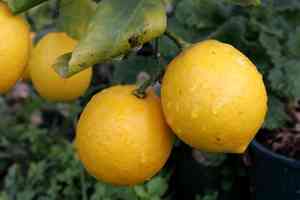
This fruit-producing evergreen, recognized for its dark purple cherries and lustrous leaves, flourishes with consistent trimming. For grumichama, strategic pruning following the fruit collection stimulates fresh development and can boost the harvest quantity. Form the crown in springtime when the specimen is less vulnerable to strain. Reducing crowded limbs enhances light access and air movement, vital for the plant's well-being. The variety profits from excising lifeless or ailing wood, which deters pest outbreaks and fosters robust development.
What Are the Benefits of Pruning Grumichama?
What Are the Benefits of Pruning Grumichama?
Trimming grumichama is vital for improving yields, as it encourages more robust, vigorous development and ensures the plant's energy is directed toward producing a more abundant harvest. Regular pruning of grumichama helps maintain its desired form, contributing to a neat garden appearance.
What Is the Best Time for Pruning Grumichama?
What Is the Best Time for Pruning Grumichama?
Pruning grumichama from late winter to early spring allows gardeners to shape the plant without risking the inhibition of new flower and fruit development, as this occurs before grumichama enters its active growth phase. Removing dead or damaged branches at this time reduces disease risk and ensures energy is channeled into producing healthy new growth. Furthermore, without leaves, the plant's structure is more visible, making it less likely to accidentally remove beneficial growth. Pruning after bud set may decrease the fruit yield for that season.
What Tools Do I Need to Prune Grumichama?
Hand Pruners
For clipping thin branches and twigs on grumichama, a pair of sharp hand pruners will ensure accurate cuts without harming the plant.
Loppers
These are essential for cutting thicker branches of grumichama that hand pruners cannot manage, ensuring a clean cut for healthy regrowth.
Pruning Saw
Grumichama may have some mature and woody branches that require a pruning saw for proper removal without stressing the plant.
Hedge Shears
For shaping grumichama and keeping a tidy look, hedge shears are perfect for trimming soft shoots and foliage.
How to Prune Grumichama
Clean Tools
Before beginning, sanitize pruning tools with a solution of one part bleach to nine parts water to prevent the spread of diseases.
Identify Dead Branches
Inspect grumichama closely to find dead branches, which will feel brittle, show no green when the bark is scraped, and may appear discolored or withered.
Prune Dead Branches
Using your sterilized tools, cut dead branches at their base or back to a healthy lateral branch, ensuring cuts are clean and at a 45-degree angle to promote healing and prevent water accumulation.
Identify Diseased Branches
Identify diseased branches on grumichama by looking for signs of discoloration, unusual growths, or unhealthy-looking bark, and separate them from healthy branches.
Prune Diseased Branches
Carefully cut away diseased branches from grumichama, trimming them back to a healthy section of the branch or their point of origin, and dispose of them immediately to prevent contamination.
Common Pruning Mistakes with Grumichama
Overpruning
Avoid removing more than one-third of grumichama's foliage at once, as this can stress the plant and lead to reduced fruiting and growth.
Improper Cut Placement
Incorrectly placing cuts either too close or too far from the node can result in poor healing and leave grumichama vulnerable to pests and diseases.
Using Dull Tools
Cutting with dull tools can damage grumichama's branches, leading to uneven growth and making the plant more susceptible to infections.
Pruning Healthy Wood
Unnecessarily cutting away healthy wood can limit grumichama's potential for fruit production and overall health.
Neglecting Sanitation
Failing to sterilize pruning tools between uses can spread diseases to grumichama from other plants.
Common Pruning Tips for Grumichama
Sharp Clean Tools
Always use clean, sharp tools to make precise cuts that will heal quickly and minimize stress on grumichama.
Cut Angle
Make clean, angled cuts just above the node where leaves or branches will emerge, encouraging proper growth direction and preventing water accumulation.
Remove Dead Wood
Regularly remove dead or diseased wood to maintain grumichama's health and promote air circulation, which can deter pests and disease.
Thin Crowded Areas
Thin out crowded areas of grumichama to increase light penetration and airflow, which enhances fruit production and reduces the risk of disease.
Shape Maintenance
Shape grumichama gradually rather than making drastic changes in one session, as this will maintain the plant's health and aesthetic form.



