Grumichama (Eugenia brasiliensis)
Also known as: Brazilian plum, Grumixameira
The Grumichama (Eugenia brasiliensis) is a fruit tree native to Brazil. It is medium-sized, making it a popular choice for urban landscaping due to its manageable size and attractive look. Despite its urban appeal, the grumichama is endangered in its natural habitat because of its slow growth and limited dispersal capabilities.
In This Article
Attributes of Grumichama
Lifespan
Perennial
Plant Type
Tree, Shrub
Plant Height
6 m
Spread
4 m
Leaf Color
Green
Flower Size
2.5 cm
Flower Color
White
Images of Grumichama
Quickly Identify Grumichama
1
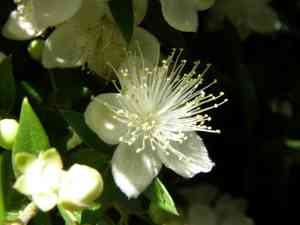
The tree has oval or oblong leaves which are glossy and leathery. It produces small white flowers with numerous stamens, followed by dark purple to black, cherry-like fruits. The bark is smooth and greyish-brown. The fruits are sweet and can be eaten fresh or used in various culinary applications.
Scientific Classification of Grumichama
Phylum
Vascular plants
Class
Dicotyledons
Order
Myrtales
Family
Myrtle
Genus
Stoppers
Species
Grumichama
Planting and Growing of Grumichama
Care Difficulty
Moderate
Watering Schedule
Every 4 days
Sunlight Requirements
Partial sun
Sunshine Duration
6-10 hours
Ideal Temperature
68-86℉
Soil Type
Potting Mix, Peat Mix
Soil pH
6.5-7.5
Fertilizer Type
Balanced
Pruning Season
Spring, Summer
Pruning Area
Branches, Leaves
Pruning Frequency
2 times a year
Repotting Season
Spring
Pot Type
Plastic, Ceramic
 How to Water Grumichama?
Eugenia brasiliensis requires consistent watering to maintain moist but not waterlogged soil. The key is to ensure the soil is evenly moist, which can be checked by inserting your finger into the soil up to about 5 centimeters. If it feels dry at this depth, it's time to water again.
What are the symptoms of an underwatered Grumichama?
›
What should I do if my Grumichama is not getting enough water?
›
What are the symptoms of an overwatered Grumichama?
›
How to save an overwatered Grumichama?
›
 What Are the Sunlight Requirements for Grumichama?
Partial sun, ensuring 3 to 6 hours of light daily, benefits Eugenia brasiliensis by supporting optimal photosynthesis and healthy growth, leading to robust foliage and abundant fruit production.
More About Sunlight Requirements Techniques→
What is the ideal sunlight exposure for Eugenia brasiliensis?
›
How to ensure Eugenia brasiliensis gets ideal light?
›
What benefits can optimal lighting provide?
›
 What Is the Ideal Temperature Range for Grumichama?
The ideal temperature range for Eugenia brasiliensis is between 68°F and 86°F. This range provides optimal conditions for growth and fruit production, ensuring the plant receives the warmth it requires without experiencing stress from excessive heat.
 What Soil is Best for Grumichama?
Eugenia brasiliensis thrives in well-drained soil as this prevents waterlogging, which can harm the roots. It helps the plant absorb vital nutrients without being exposed to root rot, promoting healthy growth and fruit production. Incorporating organic matter into the soil is essential for Eugenia brasiliensis. It provides the plant with necessary nutrients, improves soil structure, and enhances moisture retention while supporting beneficial soil microorganisms. Aerated soil is crucial for this plant as it allows roots to breathe and access oxygen. This prevents root suffocation and supports robust plant development and resilience against environmental stresses.
 How to Fertilize Grumichama?
Eugenia brasiliensis requires a balanced fertilization approach to thrive. Typically, a moderate amount of fertilizer is recommended—avoiding heaps that might lead to nutrient burn. It's generally effective to apply about 1/2 to 1 cup of liquid fertilizer per application, ensuring even distribution around the base. For slow-release fertilizers, follow the manufacturer's guidelines, usually around 1/4 to 1/2 pound per application, mixed well into the soil.
 How to Prune Grumichama?
Start by examining the overall shape of your Eugenia brasiliensis. Aim for a well-balanced, open canopy that allows sunlight to penetrate and air to circulate. Cut back large, overgrown branches using the ‘three-cut’ method to avoid tearing. Make a small notch on the underside, a cut 1-2 inches away from it, and finally, a final cut near the trunk. Trim the interior branches to open up space for air flow. This reduces disease risk and encourages robust fruit production by allowing better light penetration. Be mindful not to over-prune branches that bear fruit, as this can significantly reduce yield. Remove just enough to maintain shape and health.
More About Pruning Techniques→
 How to Propagate Grumichama plant?
1
Collect ripe seeds from the fruit of Eugenia brasiliensis, ensuring they are free from pulp to prevent mold. Rinse and dry them properly before use, and store in a cool, dry place if not used immediately.
2
Select healthy, semi-hardwood branches in early spring. Cut them to approximately 4-6 inches in length, remove leaves from the lower part, and dip in rooting hormone to enhance root formation.
3
Plant seeds shallowly in a seed tray with well-draining soil. For cuttings, insert them about 2 inches into a container filled with a mix of sand and peat moss. Keep the soil moist but not waterlogged.
 How to Repot Grumichama plant?
1
Eugenia brasiliensis signals it needs repotting when roots begin to protrude from the drainage holes, indicating the plant has outgrown its current pot. If you notice a decline in growth or the soil is drying out too quickly, it's likely time to consider repotting to give it more space and fresh nutrients.
2
Select a pot that is approximately 2 inches larger in diameter than the current one, allowing ample room for root expansion. Ensure it has adequate drainage holes to prevent waterlogging, which can cause root rot. A sturdy pot also provides stability for the growing plant.
3
Opt for a well-draining mix rich in organic matter. Using a mixture of peat, perlite, and pine bark ensures the soil retains adequate moisture without becoming waterlogged. This mixture supports healthy root development and provides essential nutrients.
Learn More About Grumichama Diseases
Anthracnose
Bacterial Leaf Spot
Bacterial Soft Rot
Black Spot
Chemical Injury
Crown Gall
Damping-off
Drought Stress
Fusarium Wilt
Gray Mold
Leaf Curl
Leaf Spot
Mosaic
Nutrient Deficiency
Nutrient Toxicity
Powdery Mildew
Root Rot
Root-knot Nematode
Rusts
Sooty Mold
Spider Mites
Temperature Stress
Thrips Damage
White Mold



