How to Prune Frying pans?
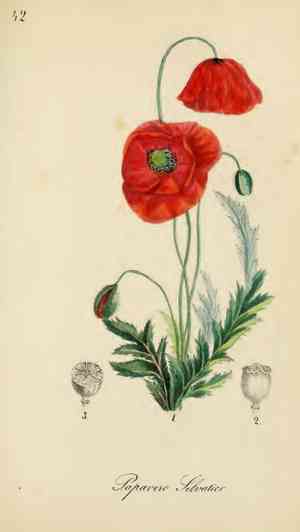
Originating in California, 'frying pans' is distinguished by its vivid, dish-shaped blossoms and grayish-green leaves. Trimming should primarily involve removing faded flowers to stimulate further blooming. Reducing the foliage in late autumn readies the plant for its spring development. The most suitable time for pruning extends from spring to fall, coinciding with the plant's vigorous growth phases. Consistent trimming preserves its form, hinders seed dispersal, and fosters rejuvenation. Gentle handling is crucial, as the fragile stalks of frying pans are prone to snapping.
What Are the Benefits of Pruning Frying Pans?
What Are the Benefits of Pruning Frying Pans?
Trimming frying pans promotes robust development and helps maintain its compact form. Regular cutting back encourages dense, healthy foliage and can prevent the plant from becoming elongated or misshapen.
What Is the Best Time for Pruning Frying Pans?
What Is the Best Time for Pruning Frying Pans?
Pruning or trimming frying pans during Late Spring allows for the removal of any dead or damaged leaves that may have occurred over the winter. This timing aligns with the start of frying pans's active growth period, providing the plant with the opportunity to heal and produce new growth swiftly. Early Summer is ideal for maintaining plant shape and encouraging a bushier habit, as frying pans may have completed its primary bloom and can benefit from shaping to stimulate further blooming. Early Fall pruning should be light, preventing any harm to frying pans before it enters dormancy, and should focus on removing spent blooms and thinning if necessary for plant health.
What Tools Do I Need to Prune Frying Pans?
Hand Pruners
Frying pans is a delicate annual plant, and therefore small, sharp hand pruners are suitable for making precise cuts without damaging the stems. Look for bypass pruners as they make cleaner cuts compared to anvil-style pruners, which might crush the stems of frying pans.
Snips or Micro-Tip Pruning Snips
These tools are excellent for deadheading spent blooms or trimming off any yellowing or damaged foliage with precision, due to their small size and sharp blades, which is beneficial for the intricate work required for frying pans.
Gloves
When handling and pruning frying pans, gloves are useful to protect your hands from any sharp edges or sap that may cause irritation or to ensure a good grip on the pruning tools.
How to Prune Frying Pans
Cleaning Tools
Before pruning frying pans, clean and sanitize the pruning shears or scissors to prevent the spread of diseases.
Examination
Examine frying pans closely to identify all the withered leaves that need to be removed.
Cutting Technique
Cut the withered leaves at the base, close to the main stem of frying pans, being careful not to harm any healthy parts.
Disposal
Dispose of the trimmed withered leaves away from frying pans to avoid any potential for pathogens or pests.
Post Pruning Care
Water frying pans appropriately and provide adequate sunlight after pruning to facilitate healthy growth.
Common Pruning Mistakes with Frying Pans
Overpruning
Cutting back too much can stress frying pans and hinder its ability to flourish. Frying pans requires only light pruning to remove dead or weak stems.
Improper Tool Use
Using dull or unclean tools can damage the stems and introduce disease to frying pans. It's important to use sharp, clean pruning shears.
Pruning Active Growth
Pruning frying pans while it's showing vigorous growth can lead to reduced flowering, as this can remove buds or impede the development of new ones.
Neglecting To Deadhead
Failing to regularly remove spent flowers from frying pans can lead to decreased blooming, as the plant would invest energy into seed production.
Shearing
Employing a shearing method, rather than selective pruning, can result in an unnatural shape and less vigorous growth for frying pans.
Common Pruning Tips for Frying Pans
Timing
Prune frying pans just after flowering to tidy the plant and encourage a potential second bloom.
Selectivity
Focus on removing only dead, damaged, or diseased tissue to preserve as many healthy growth points as possible.
Deadheading
Regularly remove faded or withered flowers to promote further blooming and maintain the plant's appearance.
Gentle Handling
Handle frying pans delicately while pruning, as rough handling can damage its fragile stems and foliage.
Cutting Technique
Make clean, angled cuts just above a leaf node or branching point to foster healthy regrowth and minimize the risk of disease.



