Enhancing Your Garden Design with the Frying pans Plant: A Landscaping Guide
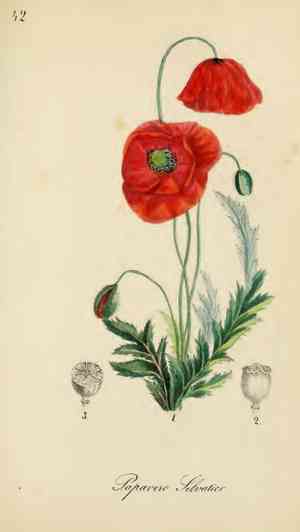
1
Frying pans flourish in soil that drains effectively and receives ample sunlight.
2
Adding Frying pans to your garden design can greatly improve its aesthetic quality.
3
Consistent maintenance, like periodic trimming, helps prolong the flowering duration of Frying pans.
Introducing Frying pans to Your Garden
Choosing the Right Location for Frying pans
When planting Frying pans, its placement is crucial for robust growth and vibrant blossoms. Ideally, select a garden area that receives ample direct sunlight for most of the day. Sunlight is vital for photosynthesis, which powers the Frying pans's development. Furthermore, a spot with good air movement can reduce the risk of fungal diseases affecting the plant. Ensure the location isn't prone to waterlogging, as Frying pans prefers well-drained soil. Consider nearby plants and structures to guarantee Frying pans has sufficient room to thrive without resource competition.
Sunlight and Shade: Finding the Balance
For Frying pans, the correct balance of sun exposure and shade is essential. This plant thrives in full sun, requiring at least six hours of direct sunlight daily. However, in extremely hot climates, some afternoon shade can be beneficial to prevent delicate flowers from scorching. Observe your garden's sun patterns before planting Frying pans to determine the optimal spot. Excessive shade can lead to leggy growth and fewer blooms, so prioritize areas that naturally get plenty of sunlight. You can also use shade cloth strategically to shield the plant during peak heat if necessary.
Design Ideas Using Frying pans
Combining Frying pans with Perennials for All-Season Appeal
Enhance your garden's attractiveness by pairing Frying pans with other perennial plants. Perennials that flower at different times can keep your garden looking vibrant throughout the year. For instance, combine Frying pans with spring bulbs or autumn perennials to ensure continuous blooms. Creating layers by mixing taller and shorter perennials with Frying pans can also add depth and dimension to your garden design. This thoughtful combination not only boosts aesthetic appeal but also supports a diverse range of pollinators across the growing seasons.
Using Frying pans in Rock Gardens or Xeriscapes
Given its preference for well-drained soil, Frying pans is an excellent choice for rock gardens and xeriscapes. These water-efficient landscaping styles benefit from the drought-tolerant characteristics of Frying pans. Plant Frying pans in crevices between rocks or alongside succulents to create an eye-catching, low-maintenance garden. The vivid flowers of Frying pans stand out against the subdued tones of rocks, adding splashes of color to an otherwise muted landscape. This approach not only conserves water but also reduces the need for frequent upkeep, making it ideal for busy gardeners.
Maintaining the Beauty of Frying pans
Seasonal Care Tips for Frying pans
Caring for Frying pans throughout the seasons ensures it stays healthy and continues to bloom beautifully. During its active growth period, consistent watering is important, especially during dry spells. Apply mulch around the plant's base to retain moisture and suppress weeds. In colder regions, protect Frying pans by covering it with a frost cloth during unexpected cold snaps. In spring, feeding the plant with a balanced, slow-release fertilizer can promote vigorous growth and flowering. Regularly remove spent blooms to encourage continuous flowering and prevent the plant from focusing its energy on seed production.
Pruning and Maintenance for Longer Bloom
Pruning is crucial for extending Frying pans's blooming period. Deadheading, or removing faded flowers, encourages the plant to produce more blooms. In addition to deadheading, cut back a portion of the plant after the initial flush of flowers to stimulate a second bloom. Ensure your pruning tools are clean and sharp to prevent disease spread. Regularly inspect for any dead or damaged leaves and remove them promptly. This not only keeps the plant looking neat but also redirects energy back into flowering instead of wasting it on unhealthy parts.
Benefits of Using Frying pans in Landscape Design
Ecological Contributions of Frying pans
Frying pans offers several ecological advantages. It attracts pollinators like bees and butterflies, which are vital for your garden's health and the broader ecosystem. By planting Frying pans, you contribute to your area's biodiversity, supporting various insects and small wildlife. The plant's roots help prevent soil erosion, particularly on slopes or in sandy soils. Furthermore, Frying pans can help improve soil health through its natural processes, making it a valuable addition to any eco-conscious garden.
Aesthetic Value and Visual Impact
The aesthetic appeal of Frying pans can transform your landscape. Its bright flowers can create focal points or add a burst of color to any garden area. Whether used in mass plantings or as individual accents, Frying pans enhances the visual texture and depth of your landscape design. The plant's delicate, fern-like foliage adds a soft, natural look that complements various garden styles, from formal designs to more relaxed, cottage garden settings. Its ability to blend seamlessly with other plants makes it extremely versatile for different landscaping ideas.
Boosting Property Value Through Strategic Planting
Strategic use of Frying pans in your landscape design can increase your property's curb appeal and market value. A well-designed garden featuring Frying pans demonstrates care and attention to detail, which prospective buyers find appealing. It creates inviting outdoor spaces that can be a significant selling point. Moreover, low-maintenance plants like Frying pans are attractive to potential buyers who may not have a green thumb, promising beauty with minimal upkeep. By enhancing the visual and ecological value of your property, Frying pans plays a role in increasing its overall appeal and worth.



