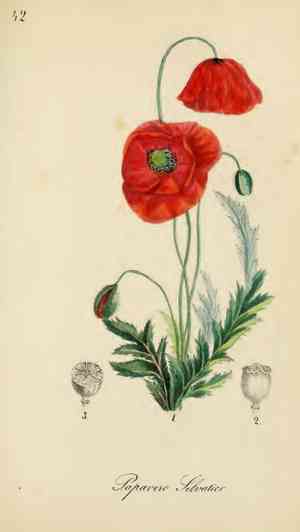
Frying pans (Eschscholzia lobbii)
Also known as: Frying Pans, Yellow Poppy
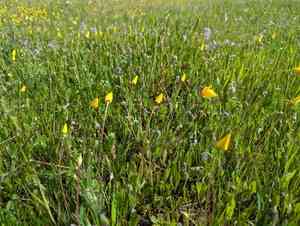
The poppy species Eschscholzia lobbii, commonly known as "frying pans," is named for its round, yellow flowers that resemble small frying pans. This species thrives near vernal pools and in foothill regions, making it a great addition to wildflower gardens. The specific epithet honors the English botanical collector William Lobb.
In This Article
Attributes of Frying pans
Lifespan
Annual
Plant Type
Herb
Plant Height
25 cm
Spread
15 cm
Leaf Color
Green Blue
Flower Size
2.5 cm to 5 cm
Flower Color
Yellow
Images of Frying pans
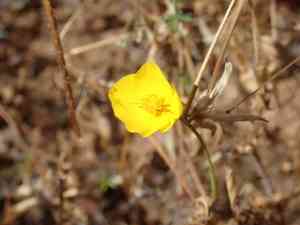
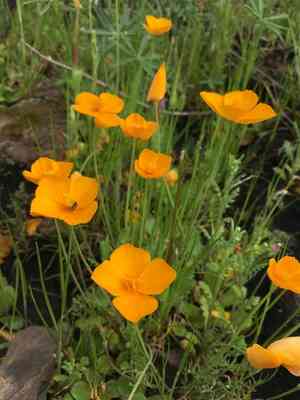
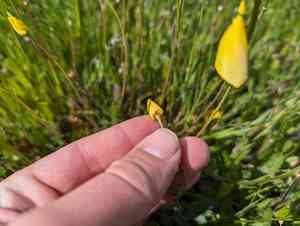
Quickly Identify Frying pans
1
Look for the bright yellow, bowl-shaped flowers with four petals. The leaves are finely divided and blue-green, similar to other poppies. The plant is low-growing and often forms dense mats.
Scientific Classification of Frying pans
Phylum
Vascular plants
Class
Dicotyledons
Order
Ranunculales
Family
Poppy
Genus
Golden poppies
Species
Frying pans
Planting and Growing of Frying pans
Care Difficulty
Easy
Watering Schedule
Every 2 days
Sunlight Requirements
Full sun
Sunshine Duration
4-8 hours
Ideal Temperature
60-75℉
Soil Type
Potting Mix, Peat Mix
Soil pH
6.5-7.5
Fertilizer Type
Balanced
Pruning Season
Spring, Summer
Pruning Area
Branches, Leaves
Pruning Frequency
2 times a year
Repotting Season
Spring
Pot Type
Plastic, Ceramic
 How to Water Frying pans?
Eschscholzia lobbii requires a moderate amount of water, approximately 150 milliliters each time you water. The key is to ensure that the water reaches the roots without saturating the soil, maintaining a balance between moisture and aeration for optimal growth.
What are the symptoms of an underwatered Frying pans?
›
What should I do if my Frying pans is not getting enough water?
›
What are the symptoms of an overwatered Frying pans?
›
How to save an overwatered Frying pans?
›
 What Are the Sunlight Requirements for Frying pans?
Eschscholzia lobbii ideally flourishes under full sun conditions, receiving about 6-8 hours of sunlight daily. This optimal exposure encourages vibrant blooming and strong, healthy growth patterns.
More About Sunlight Requirements Techniques→
What is the optimal lighting setup?
›
How can I ensure ideal lighting for Eschscholzia lobbii?
›
What are the benefits of obtaining ideal lighting?
›
 What Is the Ideal Temperature Range for Frying pans?
The ideal temperature range for growing Eschscholzia lobbii, commonly known as the Lobb's poppy, is between 60°F and 75°F. This range allows the plant to thrive by providing warmth that encourages photosynthesis and optimal growth conditions. During this temperature range, the plant's cellular processes operate efficiently, promoting strong root development and vibrant flowering.
 What Soil is Best for Frying pans?
Eschscholzia lobbii thrives in soils with excellent drainage. Well-drained soil ensures that the plant's roots don't become waterlogged which could lead to root rot. This is particularly beneficial in maintaining a healthy root system and encouraging vigorous growth. These plants prefer soils that are not overly rich in organic matter. Sandy soils that are low in nutrients can actually promote more flower production as the plants focus on reproduction rather than excessive foliage growth. This nutrient balance ensures optimal blooming. Sandy or sandy loam soils are ideal because their light texture allows for easy root penetration. This encourages the roots of Eschscholzia lobbii to spread out and anchor the plant firmly. Additionally, this soil type heats up quickly in the sun, encouraging early growth in the spring.
 How to Fertilize Frying pans?
For Eschscholzia lobbii, apply liquid fertilizer at half the recommended strength stated on the packaging, ensuring the soil is slightly moist before application to prevent root burn.
 How to Prune Frying pans?
Begin by examining Eschscholzia lobbii for any dead or damaged stems. These should be removed first to allow the plant to channel energy into new and healthy growth. Snip them at the base where they meet the healthy branches. Check for leggy stems which can occur when the plant stretches for sunlight. Cut these back to where you see vibrant green growth to ensure a bushier appearance and more blooms in the next flowering cycle. After removing the unwanted growth, step back and assess the overall shape of your Eschscholzia lobbii. Trim selectively to maintain a pleasing, rounded contour, cutting just above a leaf node to encourage branching.
More About Pruning Techniques→
 How to Propagate Frying pans plant?
1
Collect seeds from mature Eschscholzia lobbii plants once the seed pods have dried. Be sure to gather seeds on a dry day and store them in a cool, dry place until planting to maintain their viability.
2
Sow seeds thinly onto seed trays filled with damp potting soil in early spring. Cover the seeds lightly with soil and water gently. Ensure the soil surface is moist but not waterlogged to encourage germination.
3
Once seedlings have developed a pair of true leaves, they can be transplanted. Carefully lift the seedlings to avoid damaging their roots and plant them into individual pots or directly into the garden bed.
 How to Repot Frying pans plant?
1
Eschscholzia lobbii should be repotted when you notice roots emerging from the drainage holes, indicating that the plant has outgrown its container. Early signs such as stunted growth or persistent wilting can also signal that a repotting is necessary. Ideally, aim to repot in the growing season for best results.
2
Choose a pot that is one size larger than the current one, ensuring it has adequate drainage holes. The right pot helps prevent waterlogging, thus reducing the risk of root rot. Materials like terracotta are excellent, allowing air circulation which benefits the plant's root system and mimics its natural habitat.
3
Opt for a cactus or succulent potting mix which offers excellent drainage. Eschscholzia lobbii thrives in sandy, porous soil that prevents water retention, thereby mimicking its natural, arid environment. This soil choice supports healthy root growth and reduces the chance of root diseases.
Learn More About Frying pans Diseases
Anthracnose
Bacterial Leaf Spot
Bacterial Soft Rot
Bacterial Wilt
Crown Gall
Cyst Nematode
Damping-off
Downy Mildew
Fusarium Wilt
Gray Mold
Leaf Spot
Mosaic
Powdery Mildew
Root Rot
Root-knot Nematode
Rusts
Sooty Mold
White Mold
Chemical Injury
Drought Stress
Nutrient Deficiency
Nutrient Toxicity
Temperature Stress
Spider Mites
Thrips Damage



