How to Prune Crispleaf buckwheat?
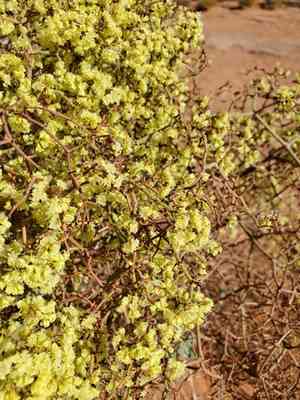
Eriogonum crispum is a perennial shrub recognized for its thick, compact development and vivid blossoms. The most effective time for trimming is in early spring to eliminate deceased or injured branches and sculpt the plant. Trimming stimulates denser growth and a greater profusion of blooms. Refrain from severe pruning since eriogonum crispum favors its inherent shape. Prune judiciously to sustain air circulation and diminish the likelihood of diseases. This method improves eriogonum crispum's visual appeal and vigor, guaranteeing a strong developmental period.
What Are the Benefits of Pruning Crispleaf Buckwheat?
What Are the Benefits of Pruning Crispleaf Buckwheat?
Crispleaf buckwheat requires trimming to encourage robust development and maintain its form. Pruning aids in size management, promotes healthier growth, minimizes pest and disease risks, and enhances blooming. Regular trimming keeps crispleaf buckwheat looking appealing and flourishing.
What Is the Best Time for Pruning Crispleaf Buckwheat?
What Is the Best Time for Pruning Crispleaf Buckwheat?
Early spring is considered the ideal period for pruning crispleaf buckwheat as it aligns with the plant's growth cycle. Pruning in early spring enables crispleaf buckwheat to direct its energy towards producing new growth instead of sustaining old or dead branches. This timing also precedes the flowering season, ensuring the plant's vitality and encouraging abundant blooms later on. Early spring pruning helps improve air circulation, reduce the risk of fungal diseases, and promote a more vigorous and aesthetically pleasing growth structure.
What Tools Do I Need to Prune Crispleaf Buckwheat?
Bypass Pruners
Perfect for making precise cuts on living branches without crushing them. Suitable for detailed pruning to shape crispleaf buckwheat and remove dead or damaged stems.
Pruning Shears
Effective for cutting through thicker branches of crispleaf buckwheat, offering more power and accuracy. Seek out a comfortable grip to lessen hand fatigue.
Loppers
Essential for reaching and cutting thicker or higher branches of crispleaf buckwheat that are beyond the reach of hand pruners. Useful for maintaining the plantâs shape and removing larger deadwood.
Pruning Saw
Crucial for cutting through thick, woody stems where pruners or loppers are insufficient, especially if crispleaf buckwheat has established older growth.
How to Prune Crispleaf Buckwheat
Inspection
Carefully examine crispleaf buckwheat to identify any diseased leaves, withered leaves, dead branches, and diseased branches. This initial inspection is crucial for effective pruning.
Sterilize Tools
Sterilize your pruning tools using a solution of one part bleach to nine parts water. This prevents the spread of disease to other parts of crispleaf buckwheat.
Remove Diseased Leaves
Start by removing any diseased leaves. Cut them off at the base where they join the main stem, making clean cuts to avoid damaging the plant.
Remove Withered Leaves
Next, trim off withered leaves. These can be removed by cutting them close to the base. Make sure to dispose of these leaves properly to prevent any potential spread of disease.
Cut Dead and Diseased Branches
Finally, cut back dead and diseased branches. Make clean cuts just above a healthy node or lateral branch. Dispose of these branches carefully and monitor crispleaf buckwheat for any signs of recurring issues.
Common Pruning Mistakes with Crispleaf Buckwheat
Over-pruning
One of the most frequent errors is removing too much of the plant at once. Over-pruning can stress crispleaf buckwheat, hinder its growth, and reduce flowering.
Improper cuts
Using dull or inappropriate tools can lead to jagged cuts, making it harder for crispleaf buckwheat to heal and more susceptible to disease.
Random cutting
Cutting stems and branches without a plan or understanding of crispleaf buckwheat's natural growth pattern can lead to an unbalanced plant structure and reduce aesthetic appeal.
Ignoring deadwood
Failing to remove dead or diseased wood can allow diseases to spread and compromise the overall health of crispleaf buckwheat.
Pruning at wrong nodes
Cutting too close to the bud or leaving too long stubs can impact the plantâs ability to grow new shoots effectively.
Common Pruning Tips for Crispleaf Buckwheat
Use sharp tools
Always use sharp and clean pruning shears or saws to make clean cuts, reducing the risk of disease and allowing crispleaf buckwheat to heal faster.
Follow natural shape
Prune crispleaf buckwheat following its natural growth habit to maintain an attractive and balanced form. This also encourages healthy new growth.
Remove deadwood first
Start by removing any dead, damaged, or diseased wood. This allows you to see the structure of crispleaf buckwheat better and make more informed pruning decisions.
Thin for airflow
Thinning out branches that are too close together can improve air circulation within crispleaf buckwheat, reducing the risk of fungal infections and improving overall health.
Make angled cuts
Make your cuts at a slight angle, just above a bud facing outward. This encourages new growth to follow the plant's natural shape and promotes better airflow.



