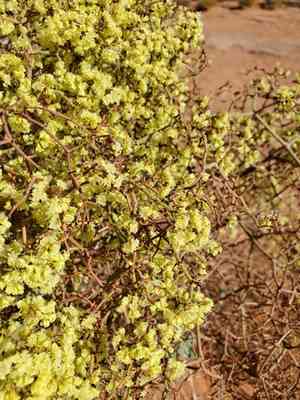
Crispleaf buckwheat (Eriogonum corymbosum)
Also known as: Buckwheat, Wild Buckwheat
Crispleaf buckwheat, known scientifically as Eriogonum corymbosum, is a hardy shrub adapted to desert environments. It features clusters of creamy-yellow flowers on extended, branching stems, giving it a distinctive flat-topped look. The plant's gray-green leaves, which often curl under, create a low, rounded shape that stands out against arid terrain. Its deep root system enables it to access water from deep within poor, rocky soils, making it well-suited for surviving in harsh desert conditions.
In This Article
Attributes of Crispleaf buckwheat
Lifespan
Perennial
Plant Type
Shrub
Plant Height
2 to 4 feet (0.6 to 1.2 meters)
Spread
2 to 3 feet (0.6 to 0.9 meters)
Leaf Color
Grayish-green
Flower Size
0.1 to 0.2 inches (0.3 to 0.5 cm)
Flower Color
White, Pink
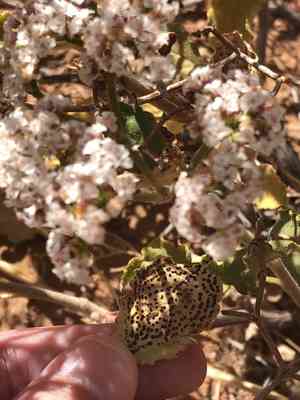
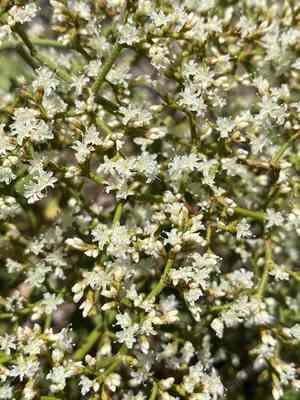
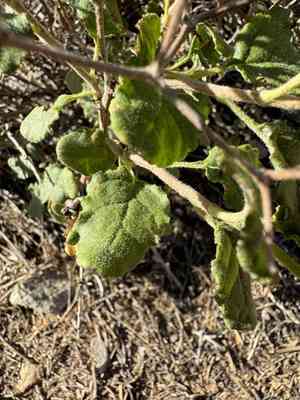
Images of Crispleaf buckwheat

Quickly Identify Crispleaf buckwheat
1
Eriogonum corymbosum can be identified by its small, clustered flowers that form flat-topped inflorescences. The leaves are generally small, narrow, and grayish-green. The plant often has a broom-like appearance.
Scientific Classification of Crispleaf buckwheat
Phylum
Vascular plants
Class
Dicotyledons
Order
Caryophyllales
Family
Buckwheat
Genus
Wild Buckwheat
Species
Crispleaf buckwheat
Planting and Growing of Crispleaf buckwheat
Care Difficulty
Easy
Watering Schedule
Every 2 days
Sunlight Requirements
Full sun
Sunshine Duration
4-8 hours
Ideal Temperature
60-80℉
Soil Type
Potting Mix, Peat Mix
Soil pH
6.5-7.5
Fertilizer Type
Balanced
Pruning Season
Spring, Summer
Pruning Area
Branches, Leaves
Pruning Frequency
2 times a year
Repotting Season
Spring
Pot Type
Plastic, Ceramic
 How to Water Crispleaf buckwheat?
Eriogonum corymbosum, commonly known as the Cushion Buckwheat, requires moderate watering. The goal is to moisten the soil thoroughly without waterlogging. Typically, providing about 500 ml of water per irrigation session will suffice for medium-sized plants, ensuring the water reaches the root zone effectively.
What are the symptoms of an underwatered Crispleaf buckwheat?
›
What should I do if my Crispleaf buckwheat is not getting enough water?
›
What are the symptoms of an overwatered Crispleaf buckwheat?
›
How to save an overwatered Crispleaf buckwheat?
›
 What Are the Sunlight Requirements for Crispleaf buckwheat?
Eriogonum corymbosum ideally dwells in full sun conditions. Ensuring this light range enhances photosynthesis, strengthening its structural integrity and promoting lush flowering displays.
What type of light does Eriogonum corymbosum need?
›
How can I manage light for Eriogonum corymbosum?
›
What are the benefits of ideal lighting for Eriogonum corymbosum?
›
 What Is the Ideal Temperature Range for Crispleaf buckwheat?
The ideal temperature range for Eriogonum corymbosum cultivation is between 60°F and 80°F. Within this temperature range, the plant can thrive and grow optimally. Temperatures in this range ensure proper metabolic activities, including photosynthesis and nutrient uptake. Maintaining these temperatures helps in reducing stress and promoting a healthy growth cycle, facilitating resistance against pests and diseases.
 What Soil is Best for Crispleaf buckwheat?
Eriogonum corymbosum thrives in well-draining soil, which helps prevent root rot and other moisture-related problems. Good drainage ensures the roots get adequate oxygen while preventing waterlogging. Moderate nutrient levels in the soil are ideal for Eriogonum corymbosum, as excessively rich soil can lead to lush but weak growth. A balanced supply of nutrients promotes healthy development. This plant prefers a light soil texture, allowing roots to spread and thrive. Sandy or sandy loam soils, with larger particles, facilitate root expansion and nutrient uptake effectively.
 How to Fertilize Crispleaf buckwheat?
For Eriogonum corymbosum, fertilization should be light due to its adaptation to nutrient-poor soils. Use a balanced liquid fertilizer diluted to one-quarter strength monthly during the growing season. For slow-release fertilizers, apply about one tablespoon per square foot around the base annually in early spring and late summer.
 How to Prune Crispleaf buckwheat?
Be aware that when you cut Eriogonum corymbosum, it might release a sticky sap. Wear gloves to protect your hands, and avoid pruning on very hot days when the plant might be more stressed. While regular pruning is beneficial, excessive cutting can stress the plant and inhibit future growth. Make sure not to remove more than one-third of the plant’s foliage at a time to keep it healthy. This plant can attract bees and butterflies, so consider the impact on local wildlife when timing your pruning. Try to avoid disturbing the flowers during peak blooming periods to support pollinators.
More About Pruning Techniques→
 How to Propagate Crispleaf buckwheat plant?
1
Collect seeds of Eriogonum corymbosum once they have matured on the plant. Clean the seeds, removing any debris or surrounding plant material, and store them in a cool, dry place until ready for sowing.
2
Identify a healthy, disease-free branch of the Eriogonum corymbosum. Using sharp pruning shears, cut a 4-6 inch segment, ensuring it includes several nodes, which will help in better root development.
3
Prepare a well-draining soil mix composed of sand and peat moss for seed sowing or cuttings. This ensures adequate moisture retention while providing good aeration to promote root growth.
 How to Repot Crispleaf buckwheat plant?
1
Eriogonum corymbosum should be repotted when you notice that the roots are circling the pot or breaking through drainage holes. Another signal for repotting is when the plant's growth becomes stunted due to insufficient space. Ideally, repotting should occur every 2-3 years during the cooler seasons for optimal root development.
2
Select a pot that is one size larger than the current one to provide your Eriogonum corymbosum with enough room to grow. It's also crucial to choose a pot with ample drainage holes, as this will prevent waterlogging and root rot. A clay or terracotta pot is ideal because it allows the soil to dry out between waterings.
3
Opt for a well-draining sandy soil mix that mimics the plant's natural habitat. This type of soil is excellent for preventing water retention, offering a balanced environment rich in aeration. A soil blend with sand, perlite, and a bit of organic matter will ensure the roots have sufficient oxygen and nutrients.
Learn More About Crispleaf buckwheat Diseases
Anthracnose
Bacterial Leaf Spot
Bacterial Soft Rot
Bacterial Wilt
Black Spot
Chemical Injury
Crown Gall
Cyst Nematode
Damping-off
Downy Mildew
Drought Stress
Fusarium Wilt
Gray Mold
Leaf Curl
Leaf Spot
Mosaic
Nutrient Deficiency
Nutrient Toxicity
Powdery Mildew
Root Rot
Root-knot Nematode
Rusts
Sooty Mold
Spider Mites
Temperature Stress
Thrips Damage
White Mold



