How to Propagate Crispleaf buckwheat?
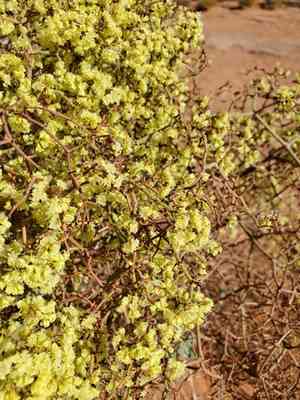
Eriogonum crispum, a resilient, xerophytic shrub, frequently thrives in parched environments. Reproducing it through cuttings yields good results; choosing robust, semi-lignified segments enhances root formation. Sufficient hydration and permeable soil are crucial during the initial rooting period. Exercise care to avoid excessive watering, which can lead to root decay. Providing ample air movement and sunlight supports vigorous development. Persistence is essential, as Eriogonum crispum can require a period to fully establish its root system.
Optimal Period for Crispleaf Buckwheat Propagation
Propagation Type
Cutting
Propagation Season
Spring,Summer
Tools Utilized for Crispleaf Buckwheat Propagation
Sterilized Pruning Shears
Sanitized pruning shears are vital for taking cuttings from crispleaf buckwheat. They guarantee clean cuts without harming plant tissue, lowering infection risk and boosting successful rooting.
Rooting Hormone
Rooting hormone promotes root development in crispleaf buckwheat cuttings. It contains growth hormones that stimulate root cell formation, increasing the likelihood of successful propagation.
Sharp Knife
A keen blade is employed to make precise incisions on the stem of crispleaf buckwheat. It's especially useful for cutting below a node to enhance rooting potential.
Propagation Trays
Propagation trays offer a regulated environment for crispleaf buckwheat cuttings to root. They maintain consistent humidity levels, crucial for delicate cuttings to establish roots.
Sterilized Potting Mix
A sterilized potting mix prevents soil-borne diseases from affecting crispleaf buckwheat cuttings. It ensures a clean growing medium, reducing the risk of fungal infections.
Mist Sprayer
A mist sprayer is used to maintain humidity around crispleaf buckwheat cuttings, preventing dehydration. It's essential for keeping cuttings hydrated without waterlogging the soil.
Propagation Dome
A propagation dome maintains a high humidity environment for crispleaf buckwheat. It effectively mimics a greenhouse, creating ideal conditions for rooting.
Heat Mat
A heat mat provides consistent bottom warmth to crispleaf buckwheat cuttings. It stimulates root growth by keeping the soil at a constant warm temperature.
Method for Propagating Crispleaf Buckwheat
Propagation Type
Moderately Difficult
Caring for Your Newly Propagated Crispleaf Buckwheat
Caring for Your Newly Propagated Crispleaf Buckwheat?
Once established, gradually acclimate young plants to outdoor conditions by placing them in a sheltered spot and increasing sun exposure over several days. Water sparingly, allowing soil to dry slightly between waterings, and ensure good air circulation to prevent fungal diseases. Fertilize minimally, as crispleaf buckwheat thrives in low-nutrient conditions. Monitor for pests and diseases, treating as needed with appropriate organic or chemical controls.
Common Errors to Avoid When Propagating Crispleaf Buckwheat
Overwatering
This can lead to root rot, which is detrimental to the plantâs health and can cause the plant to die.
Incorrect Soil Selection
Using nutrient-rich or poorly draining soil can hinder the plantâs growth since crispleaf buckwheat prefers sandy or rocky soils.
Improper Light Conditions
Crispleaf buckwheat requires full sun. Planting it in shaded areas will stunt its growth and reduce propagation success.
Using Wrong Propagation Method
Relying on methods like leaf cuttings instead of seeds can result in poor success rates as crispleaf buckwheat propagates best through seeds.
Advice for Propagating Crispleaf Buckwheat
Well-Draining Soil
Use a sandy or rocky soil mix to ensure proper drainage and mimic crispleaf buckwheatâs natural growing conditions.
Full Sun Exposure
Ensure the plant is in a location with full sun to promote healthy growth and successful propagation.
Sparing Watering
Water sparingly and allow the soil to dry out between waterings to avoid root rot.
Seed Propagation
Propagate crispleaf buckwheat by using seeds rather than other methods. Ensure seeds are sown in well-draining soil and receive adequate sunlight.



