How to Prune Hairy cupgrass?
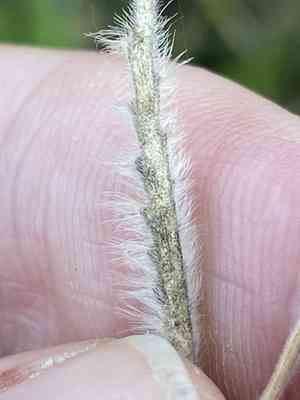
For hairy cupgrass, a resilient perennial grass, trimming entails reducing the foliage to preserve the plant's well-being and aesthetic. The most effective pruning takes place from spring through autumn, coinciding with its periods of vigorous development. Consistent cutting prevents excessive growth and improves air circulation, thereby deterring ailments. Focus on eliminating deceased or compromised matter as required, boosting the plant's vitality and diminishing areas where pests can reside. Exercise caution when pruning, as this variety can become intrusive if not managed.
What Are the Benefits of Pruning Hairy Cupgrass?
What Are the Benefits of Pruning Hairy Cupgrass?
Trimming hairy cupgrass promotes robust development and maintains its desired form. This action helps redirect energy to more productive growth points, ensuring a strong structure and enhancing the plant's overall vitality.
What Is the Best Time for Pruning Hairy Cupgrass?
What Is the Best Time for Pruning Hairy Cupgrass?
Pruning in late spring aligns with the period after germination when hairy cupgrass is actively growing, ensuring rapid recovery and minimal stress. Early summer trimming is ideal as it precedes peak growth, allowing gardeners to shape the plant and prevent excessive growth. Fall pruning is less effective due to slower plant recovery before dormancy.
What Tools Do I Need to Prune Hairy Cupgrass?
Grass Shears
Given the size and grass-like nature of hairy cupgrass, sharp grass shears are perfect for quickly and cleanly cutting through stems at the desired height.
String Trimmer
For larger areas, a string trimmer can efficiently cut back hairy cupgrass, as it covers more ground rapidly and is especially suitable for managing grassy plants.
Hand Pruners
For more detailed work, such as thinning out hairy cupgrass or cutting individual stems, sturdy hand pruners are recommended. They offer the necessary precision without harming the plant.
Gloves
Wearing gloves is advisable when trimming hairy cupgrass to protect your hands from the plant's rough texture.
How to Prune Hairy Cupgrass
Clean tools
Before beginning to prune hairy cupgrass, clean and sanitize all pruning tools. Use a bleach or alcohol solution to prevent disease spread.
Identify withered
Locate withered leaves on hairy cupgrass that are dead, discolored, or damaged. These are typically drier or browner than healthy foliage.
Cut withered
Using sharp pruning shears, carefully cut the withered leaves at their base where they meet the stem or main leaf vein. Avoid tearing or damaging healthy parts.
Dispose withered
Remove and properly discard all trimmed withered leaves to prevent any potential disease from spreading to healthy parts of hairy cupgrass or other plants.
Monitor plant
Regularly observe hairy cupgrass after pruning for any signs of stress, pests, or new withered leaves that may require further attention.
Common Pruning Mistakes with Hairy Cupgrass
Overpruning
Removing too much foliage from hairy cupgrass can shock the plant, potentially leading to stunted growth or even death. It's crucial to only prune what is necessary.
Improper cut location
Cutting too close to the main stem or too far from it can harm hairy cupgrass. Incorrect cut placements can lead to disease entry and poor healing.
Using dull tools
Utilizing dull or dirty pruning tools can result in jagged cuts that heal poorly and may introduce pathogens to hairy cupgrass.
Neglecting plant health
Attempting to prune hairy cupgrass without first assessing its overall health can worsen existing problems. Unhealthy plants may not recover well from pruning.
Ignoring plant structure
Pruning without understanding the natural growth habit of hairy cupgrass can lead to an unbalanced and weakened structure.
Common Pruning Tips for Hairy Cupgrass
Sanitized tools
Always use clean, sharp tools to make precise cuts, reducing the risk of infection and ensuring quick recovery for hairy cupgrass.
Targeted pruning
Focus on removing only dead, diseased, or overgrown branches of hairy cupgrass to promote better air circulation and light penetration, which encourages healthy growth.
Consider growth pattern
Understand hairy cupgrass's growth pattern to prune strategically, thereby supporting its natural shape and vigor.
Timing of cuts
Make all cuts at a 45-degree angle to prevent water accumulation and promote healing, though timing of pruning has been excluded.
Aftercare
Water hairy cupgrass sufficiently after pruning to aid its recovery, and apply mulch to conserve moisture and regulate soil temperature around the base.



