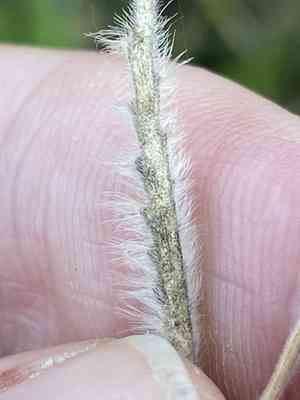
Hairy cupgrass (Eriochloa villosa)
Also known as: woolly cupgrass
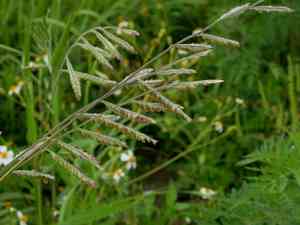
The grass in question is likely characterized by its height, ranging from 20 to 51 cm, with somewhat coarse leaves. It features distinct flower spikes that form a "Y" shape at the stem's end, extending up to 6 cm. Each spike consists of pairs of flowers (spikelets) aligned along an axis, all facing the same direction, and contains three stamens with prominent dark anthers. This grass typically blooms during the summer months.
In This Article
Attributes of Hairy cupgrass
Lifespan
Annual
Plant Type
Grass
Plant Height
30 cm to 91 cm
Spread
N/A
Leaf Color
Green
Flower Size
1.5 cm to 4 cm
Flower Color
Yellow Green Purple Brown
Images of Hairy cupgrass
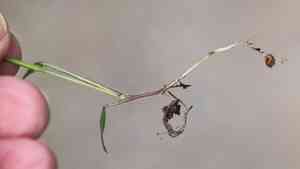
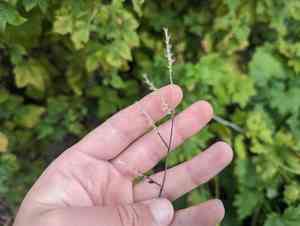
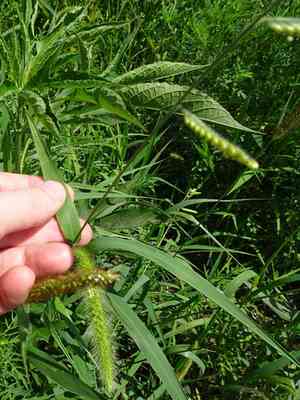
Quickly Identify Hairy cupgrass
1
Eriochloa villosa can be identified by its hairy stems and leaves, which give it a woolly appearance. The ligule is a fringe of hairs, and the inflorescence is a panicle with several spikelets. The spikelets are covered with long, silky hairs.
Scientific Classification of Hairy cupgrass
Phylum
Vascular plants
Class
Monocotyledons
Order
Poales
Family
Grass
Genus
Cupgrasses
Species
Hairy cupgrass
Planting and Growing of Hairy cupgrass
Care Difficulty
Hard
Watering Schedule
Every 4 days
Sunlight Requirements
Partial sun
Sunshine Duration
6-10 hours
Ideal Temperature
70-85℉
Soil Type
Potting Mix, Peat Mix
Soil pH
6-7.5
Fertilizer Type
Balanced
Pruning Season
Spring, Summer
Pruning Area
Branches, Leaves
Pruning Frequency
2 times a year
Repotting Season
Spring
Pot Type
Plastic, Ceramic
 How to Water Hairy cupgrass?
When watering Eriochloa villosa, ensure the soil is thoroughly moist but not soggy. You should aim to soak the soil to a depth of about 6 inches. This ensures that the entire root system has access to water, but make sure water doesn't stay pooled at the surface to avoid root rot.
What are the symptoms of an underwatered Hairy cupgrass?
›
What should I do if my Hairy cupgrass is not getting enough water?
›
What are the symptoms of an overwatered Hairy cupgrass?
›
How to save an overwatered Hairy cupgrass?
›
 What Are the Sunlight Requirements for Hairy cupgrass?
Eriochloa villosa thrives best in partial sun, receiving 4-6 hours of light. This light range supports optimal photosynthesis and balanced growth without the stress of too much light.
What is the ideal light condition for Eriochloa villosa?
›
How to provide ideal lighting for Eriochloa villosa?
›
What are the benefits of ideal lighting for Eriochloa villosa?
›
 What Is the Ideal Temperature Range for Hairy cupgrass?
What is the ideal temperature range for Eriochloa villosa? The ideal temperature range for Eriochloa villosa is between 70°F and 85°F. This range provides the most conducive conditions for growth and development, ensuring optimal enzymatic activity and photosynthesis. Within this range, the plant can adequately absorb nutrients and grow vigorously.
 What Soil is Best for Hairy cupgrass?
Eriochloa villosa thrives best in well-drained soil, which prevents waterlogging and root rot. Ensuring good drainage allows roots to access oxygen efficiently, promoting healthy growth and robust development. This plant benefits from nutrient-rich soil that supports its rapid growth. Amending the soil with organic matter like compost or well-rotted manure enriches it with necessary nutrients beneficial for long-term plant health. The plant requires moderately moist soil conditions that keep it hydrated without being overly saturated. Consistent moisture fosters its lush foliage and vigorous growth, making it a great ornamental addition.
 How to Fertilize Hairy cupgrass?
For Eriochloa villosa, the amount of fertilizer applied should be moderate to avoid nutrient burn. Utilize a general-purpose liquid fertilizer diluted to half the recommended strength, applying approximately 100 ml per square meter. This ensures the plant receives adequate nutrients without overwhelming its system.
 How to Prune Hairy cupgrass?
Wear gloves to protect your hands from any sharp leaves or irritants. Ensure the work area is stable to prevent any accidents while pruning. Regularly check and snip off any brown, withered, or diseased sections. This helps in maintaining the plant's health and encourages robust new growth. During the active growing seasons of spring and summer, trim back overgrown areas to encourage a dense habit and manage spreading that might overshadow other plants.
More About Pruning Techniques→
 How to Propagate Hairy cupgrass plant?
1
Start by filling the seed trays with good quality potting soil, making sure it is evenly spread to avoid pockets of air or overly compacted areas that might affect seed germination.
2
Sprinkle the Eriochloa villosa seeds evenly across the surface of the soil, ensuring they have adequate space apart to reduce competition for resources as they begin to grow.
3
After sowing, gently water the seeds to make sure the soil is moist but not waterlogged, as excessive moisture can lead to seed rot, hindering successful germination.
 How to Repot Hairy cupgrass plant?
1
Repotting Eriochloa villosa is essential when you notice the roots growing out of the drainage holes, or the plant looking root-bound. It's best to do this during the active growth period in spring or summer, as the plant will recover and adjust more rapidly.
2
Select a pot that is one size larger than the current one, with good drainage holes to prevent waterlogging. A slightly larger pot will encourage root expansion without overwhelming the plant, ensuring healthy growth.
3
Opt for a well-draining loamy soil mix, incorporating organic matter to enhance aeration and moisture retention. This type of soil encourages healthy root growth while preventing problems like root rot.



