How to Prune Hairy fleabane?
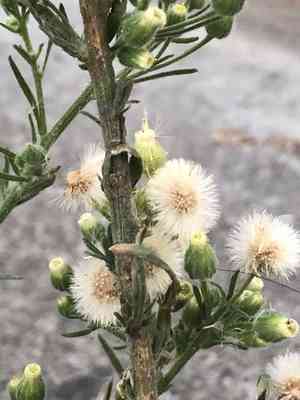
Erigeron bonariensis, recognized by its characteristic hairy stalks and foliage, thrives with trimming in the initial part of spring and the latter part of winter. Cut back elongated stems and eliminate deceased or compromised branches to foster denser development and more abundant flowering. Trimming aids in controlling the plant's form and improves air movement, thereby lowering the likelihood of illness. For peak outcomes, refrain from excising over one-third of the plant simultaneously. Consistent trimming promotes robust development and prolongs the flowering season.
What Are the Benefits of Pruning Hairy Fleabane?
What Are the Benefits of Pruning Hairy Fleabane?
Trimming hairy fleabane promotes robust development and maintains its form. This practice fosters vigorous growth, boosts its blooming capacity, and manages its overall size, leading to an appealing, pest-free, and healthy plant.
What Is the Best Time for Pruning Hairy Fleabane?
What Is the Best Time for Pruning Hairy Fleabane?
Pruning hairy fleabane during early spring or late winter is ideal because the plant is dormant and hasn't started its active growth. Trimming at this time minimizes plant stress and lowers the risk of disease and pest issues. This timing also ensures the plant's energy is saved for strong growth and flowering in the upcoming season. Early spring and late winter pruning improves air circulation and light exposure, encouraging healthier and more vigorous development.
What Tools Do I Need to Prune Hairy Fleabane?
Bypass Pruners
Perfect for precise cuts on thinner stems and branches of hairy fleabane. They deliver a clean cut without harming plant tissues.
Pruning Shears
Useful for cutting back larger stems or removing spent flowers from hairy fleabane. Provides a stronger cut for thicker, woody stems.
Hand Rake
Suitable for clearing debris around hairy fleabane after pruning, helping to keep the growing area neat.
How to Prune Hairy Fleabane
Inspect
Carefully examine hairy fleabane for any indications of diseased or withered foliage. This aids in identifying the sections that require removal.
Sanitize
Disinfect your pruning tools with a sanitizing solution to prevent disease transmission when trimming hairy fleabane.
Remove Diseased Leaves
Using disinfected tools, snip off any diseased leaves at the base of the leaf stem. Properly dispose of the affected leaves to avoid contamination.
Remove Withered Leaves
Trim any dried-up leaves close to the base, being careful not to damage the healthy parts of hairy fleabane. This encourages better air circulation and plant vitality.
Dispose Debris
Collect all removed foliage and discard it away from the gardening area. This is crucial to prevent any disease recurrence or spread.
Common Pruning Mistakes with Hairy Fleabane
Improper Technique
Using dull or unsuitable tools can harm the plant. Always ensure your pruning tools are sharp and sterilized for clean cuts.
Over-pruning
Removing too much foliage can stress hairy fleabane and reduce its ability to photosynthesize, affecting its growth and flowering potential.
Incorrect Cutting Angle
Making flat cuts instead of angled ones can leave water on the cut surface, increasing the risk of disease.
Neglecting Deadheading
Failing to remove spent flowers can divert energy from the plant, reducing its overall vigor and hindering future blooming.
Common Pruning Tips for Hairy Fleabane
Use Appropriate Tools
Ensure you have clean, sharp pruners for making precise cuts. Sterilize your tools before and after pruning to prevent disease spread.
Cut at an Angle
Make cuts at a 45-degree angle just above a leaf node or bud. This helps water drain, preventing rot and encouraging new growth.
Moderate Pruning
Avoid removing more than one-third of the plantâs foliage at a time. This approach helps hairy fleabane maintain its health and recover efficiently.
Regular Deadheading
Consistently remove spent blooms to encourage continuous flowering. Cut the flower stems back to the first set of healthy leaves.



