How to Prune Chaparral fleabane?
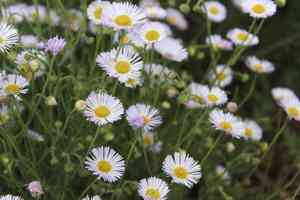
Erigeron speciosus, recognized for its delicate white or pinkish blossoms and dense foliage, thrives with trimming to preserve its form and vitality. The most effective periods for pruning are during spring and summer, aligning with its vigorous growth phases. Reduce the plant by approximately one-third to stimulate denser development and eliminate any withered or ailing stalks. Consistent trimming aids in improving air movement and diminishing issues with pests, leading to a hardier and more attractive appearance.
What Are the Benefits of Pruning Chaparral Fleabane?
What Are the Benefits of Pruning Chaparral Fleabane?
Trimming chaparral fleabane encourages robust development and helps the plant maintain its form. By eliminating dead or overgrown sections, gardeners can improve its overall look and vitality, making the plant more resilient to pests and illnesses.
What Is the Best Time for Pruning Chaparral Fleabane?
What Is the Best Time for Pruning Chaparral Fleabane?
Trimming chaparral fleabane during spring and summer aligns with its natural growth cycle, ensuring the plant stays healthy and strong. In spring, new growth is stimulated, aiding in shaping the plant and removing any winter damage. Summer pruning promotes continuous flowering and prevents the plant from becoming leggy or overly dense. Pruning during these seasons supports the overall health and appearance of chaparral fleabane, fostering vigorous growth and optimal blooms.
What Tools Do I Need to Prune Chaparral Fleabane?
Hand Pruners
Perfect for making clean cuts on smaller branches and stems. Chaparral fleabane has slender branches that are easily managed with hand pruners.
Pruning Shears
Useful for more precise cuts on younger or delicate parts of chaparral fleabane. They ensure a sharp, clean cut which encourages healthy regrowth.
Long-handled Loppers
Beneficial for reaching higher branches or thicker stems. Chaparral fleabane can grow dense and may require the extended reach loppers provide.
How to Prune Chaparral Fleabane
Personal Protection
Wear gloves and use sanitized pruning shears to prevent disease transmission.
Inspect Plant
Carefully examine chaparral fleabane to identify any diseased leaves, withered foliage, and infected stems that require removal.
Remove Diseased Leaves
Trim off any leaves showing signs of illness, cutting them at the base of the leaf stalk.
Remove Withered Leaves
Cut away all dried-up leaves to encourage healthy new development.
Remove Diseased Stems
Prune any stems that appear unhealthy by cutting them back to healthy wood, ensuring the cut is clean and just above a node or a healthy leaf.
Common Pruning Mistakes with Chaparral Fleabane
Over-Pruning
A frequent error is cutting back too much of chaparral fleabane at once. This can stress the plant and reduce its vitality, potentially diminishing its ability to flower.
Improper Technique
Using dull or dirty tools can cause jagged cuts that leave the plant vulnerable to diseases. It's essential to use sharp, clean pruners to make precise cuts.
Cutting in the Wrong Place
Pruning too close to buds or leaf nodes can damage the growth points, while pruning too far from them can leave unsightly stubs that hinder proper healing.
Neglecting Deadheading
Failing to remove spent flowers can cause chaparral fleabane to direct energy into seed production rather than continuous blooming, which reduces the floral display.
Common Pruning Tips for Chaparral Fleabane
Regular Deadheading
Remove faded flowers regularly to encourage extended blooming and prevent the plant from investing energy into seed production.
Sanitize Tools
Always disinfect pruning tools before and after use to prevent the spread of diseases. A solution of one part bleach to nine parts water is effective.
Moderate Cuts
Make conservative cuts, aiming to remove no more than one-third of the plant's total growth at a time. This promotes healthier recovery and reduces stress on chaparral fleabane.
Cut at the Right Angle
Make clean, angled cuts just above a leaf node or bud. This prevents water from accumulating on the cut surface, which can foster disease.



